
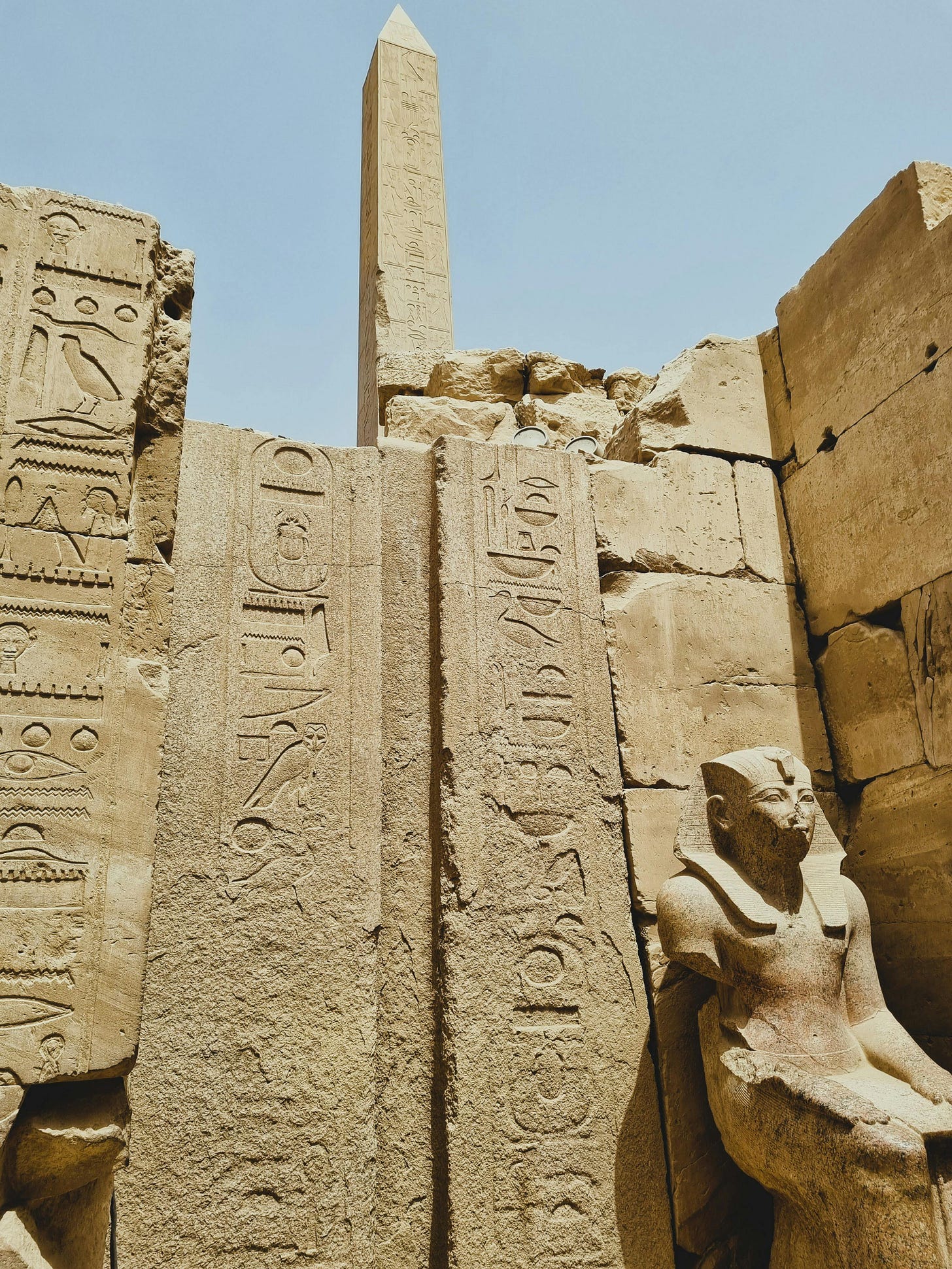
After exploring Cairo’s famous landmarks, we traveled south to Luxor to begin our Nile River cruise. The Nile is often called the “lifeblood of Egypt” because it has supported civilizations for thousands of years. Its fertile lands helped shape Egypt’s history, making it one of the most important rivers in the world.
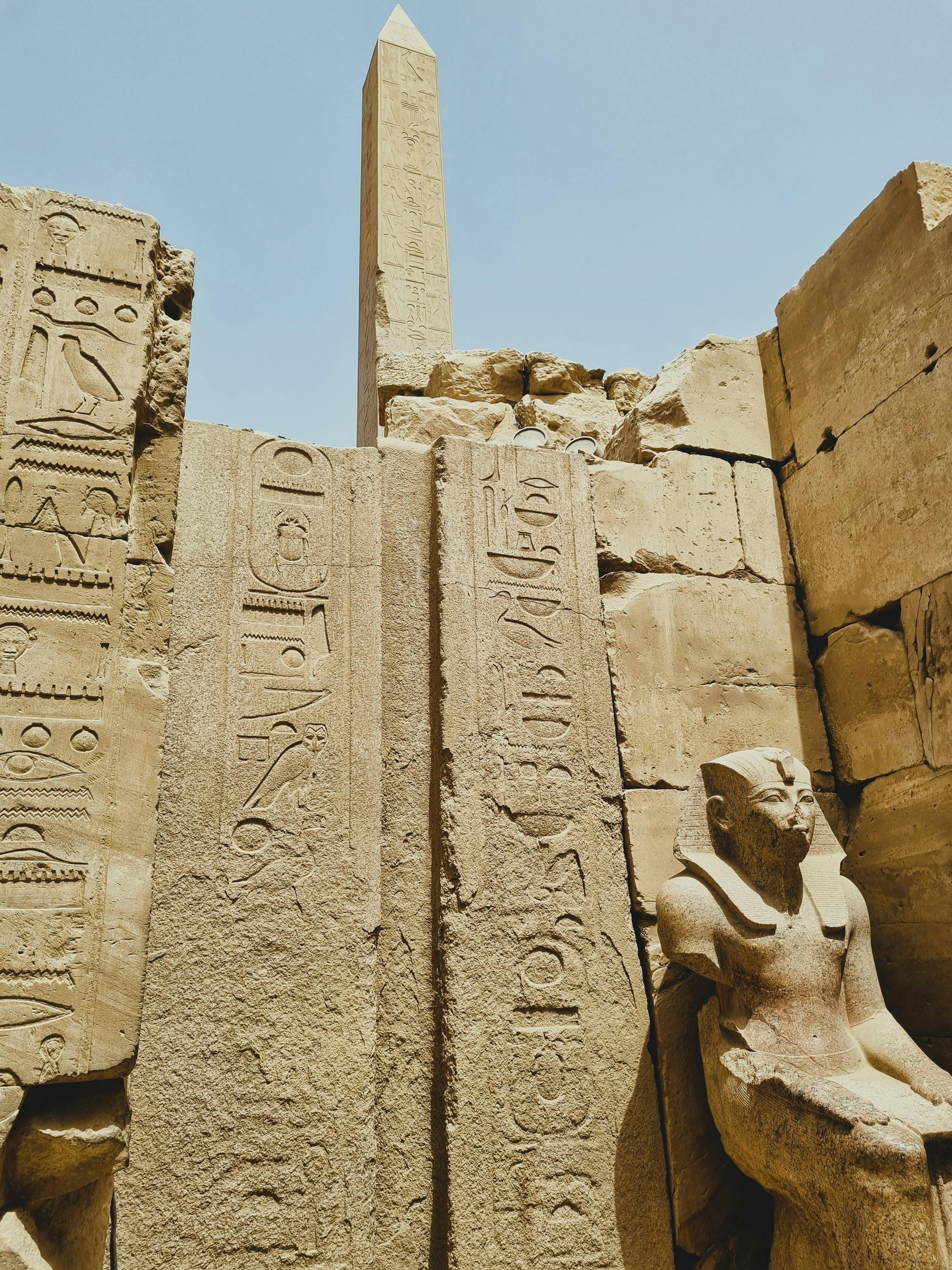
Luxor: A Step Back in Time
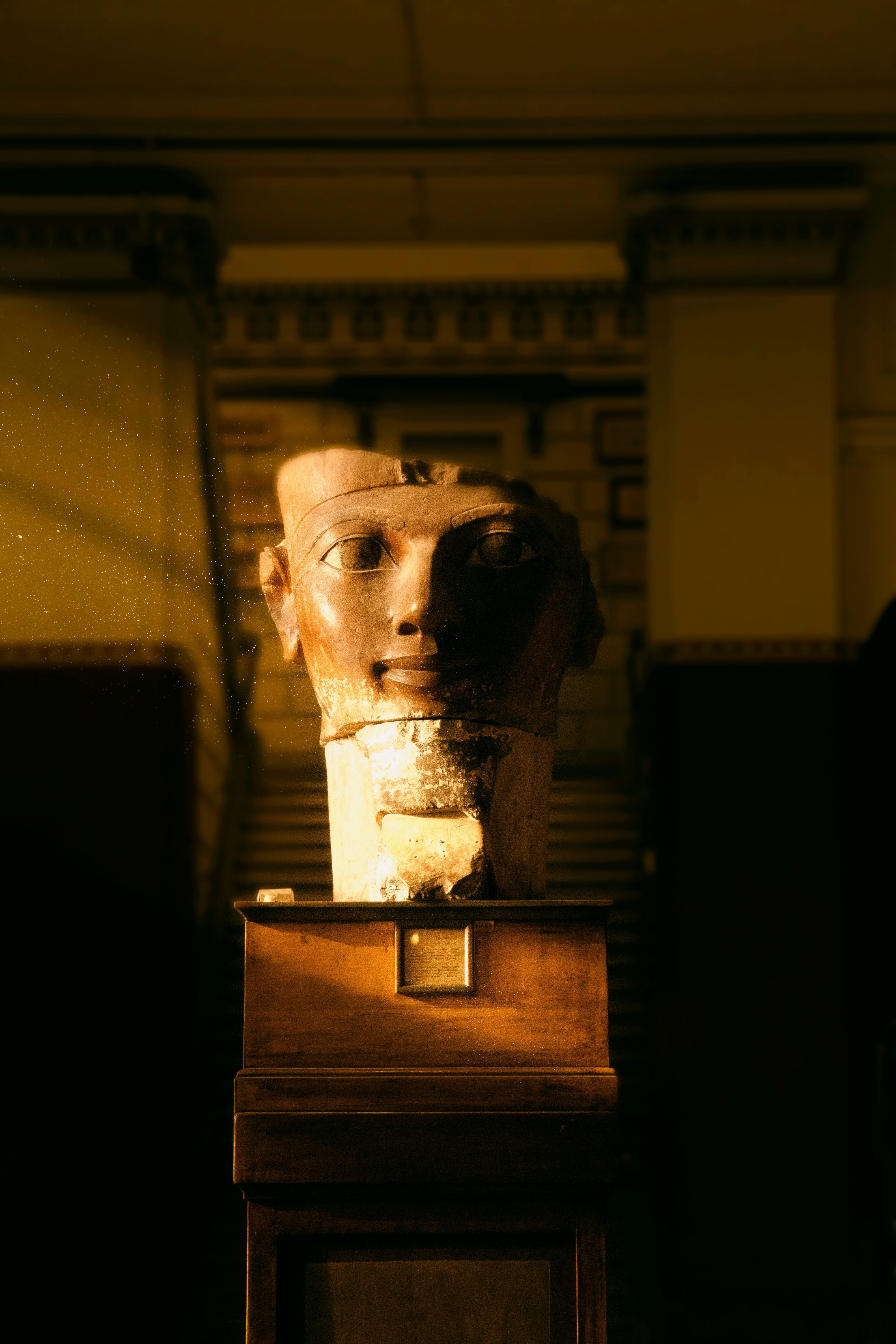
Our adventure started in Luxor, where we visited the Luxor Museum. Unlike bigger museums, this one has a carefully selected collection of artifacts, giving visitors a close-up look at Egypt’s past. Some highlights included statues of Tuthmosis III and Amenhotep III, stunning pieces from Tutankhamun’s tomb, and the impressive Wall of Akhenaten, which shows the pharaoh with Queen Nefertiti. The dimly lit rooms holding the royal mummies of Ahmose I and possibly Ramses I made the experience feel even more mysterious.
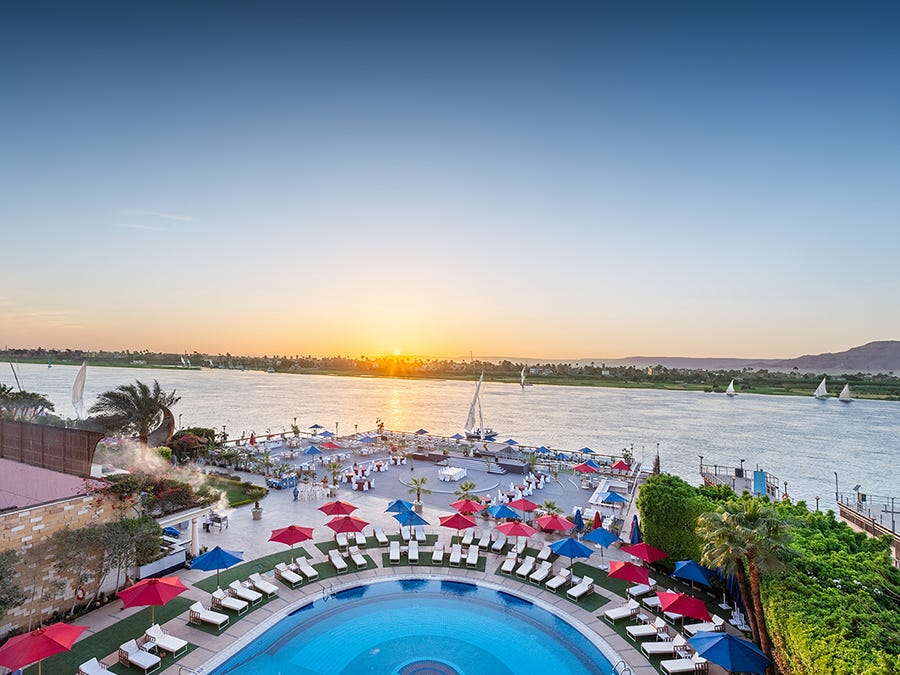
Relaxing at the Sonesta St. George
After a morning of exploring, we checked into the Sonesta St. George Hotel Luxor, located right on the Nile. The hotel blends modern comfort with classic elegance. From the terrace, we enjoyed breathtaking views of the river, a perfect place to unwind before our next adventure.
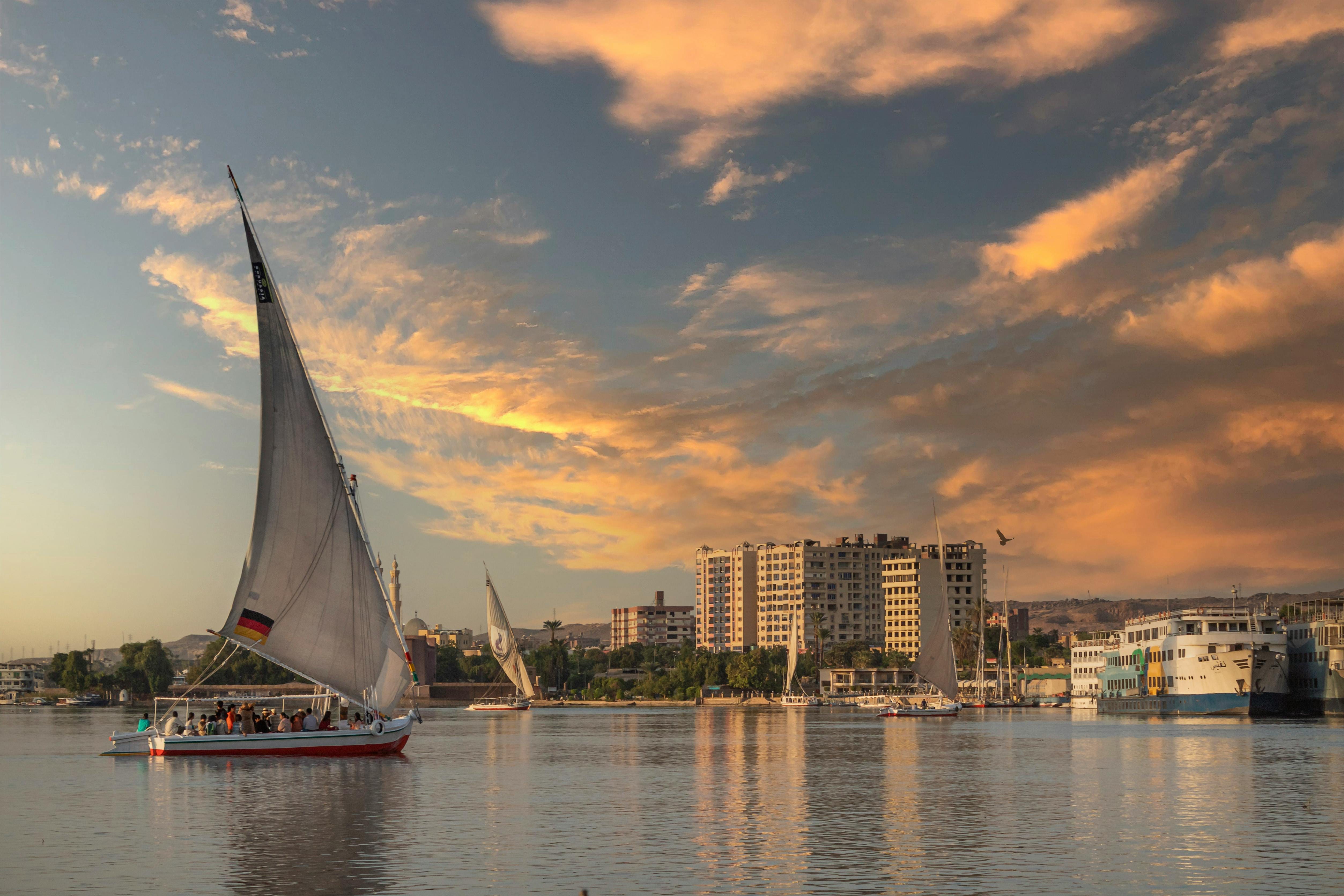
Sunset Sailing on a Felucca
In the late afternoon, we boarded a traditional felucca (a wooden sailboat) to cruise along the Nile. A gentle breeze filled the sails as local musicians played traditional Egyptian music. The riverbanks were alive with everyday scenes—farmers tending their land, children playing, and fishermen at work. As the sun set, the sky turned shades of orange and pink, reflecting on the water in a magical display.
A Night at Luxor Temple & the Avenue of the Sphinxes
After dark, we visited Luxor Temple, beautifully lit under the night sky. Built around 1400 BCE, it was once a key site for the Opet Festival, which celebrated the renewal of kingship. The towering statues and massive columns looked even more majestic under the soft lights.
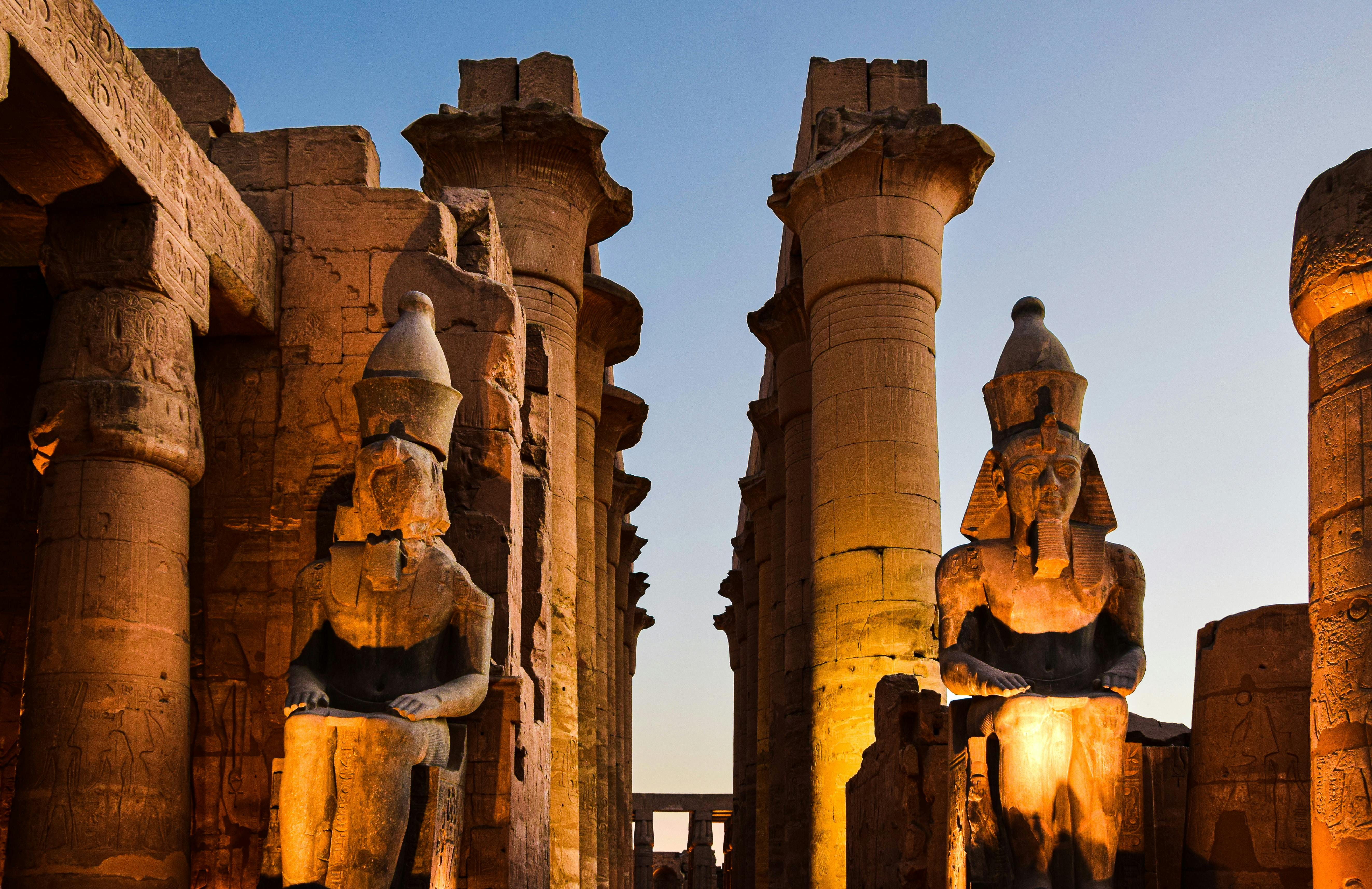
Next, we walked along the Avenue of the Sphinxes, a 1.5 mile-long path lined with hundreds of human-headed sphinx statues. This ancient road once connected Luxor Temple to Karnak Temple, and as we strolled beneath the stars, we imagined the grand processions that once took place here.
Crossing the Nile to the Valley of the Queens
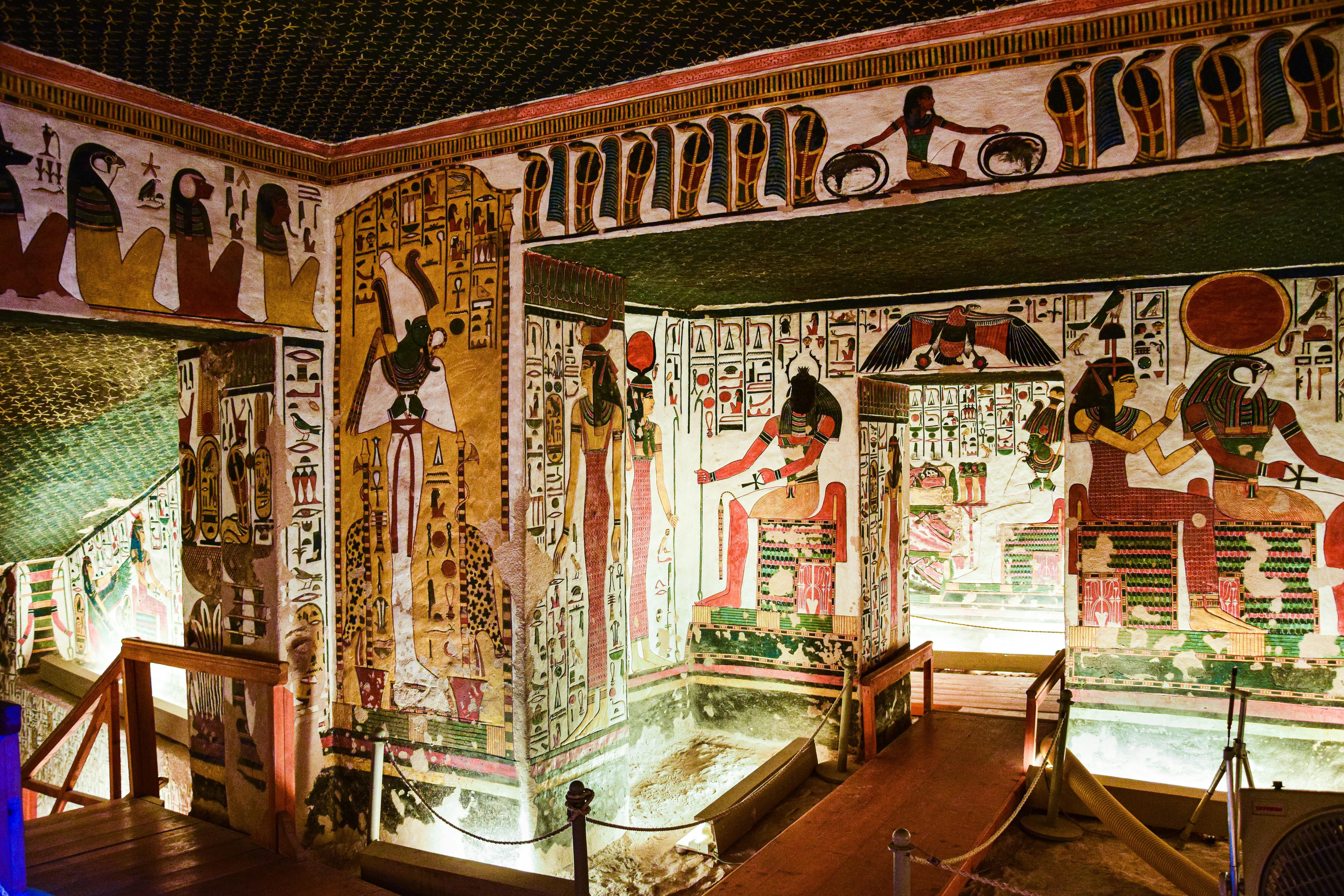
The next day, we took a scenic boat ride across the Nile to reach the Valley of the Queens, the burial place for royal women and children. The most famous tomb belongs to Queen Nefertari, the beloved wife of Ramesses II. Often called the “Sistine Chapel of Ancient Egypt,” her tomb is filled with bright, detailed paintings showing her journey to the afterlife. Other tombs, like that of Prince Amen Khopshef, offer touching scenes of royal family life.
Exploring the Valley of the Kings
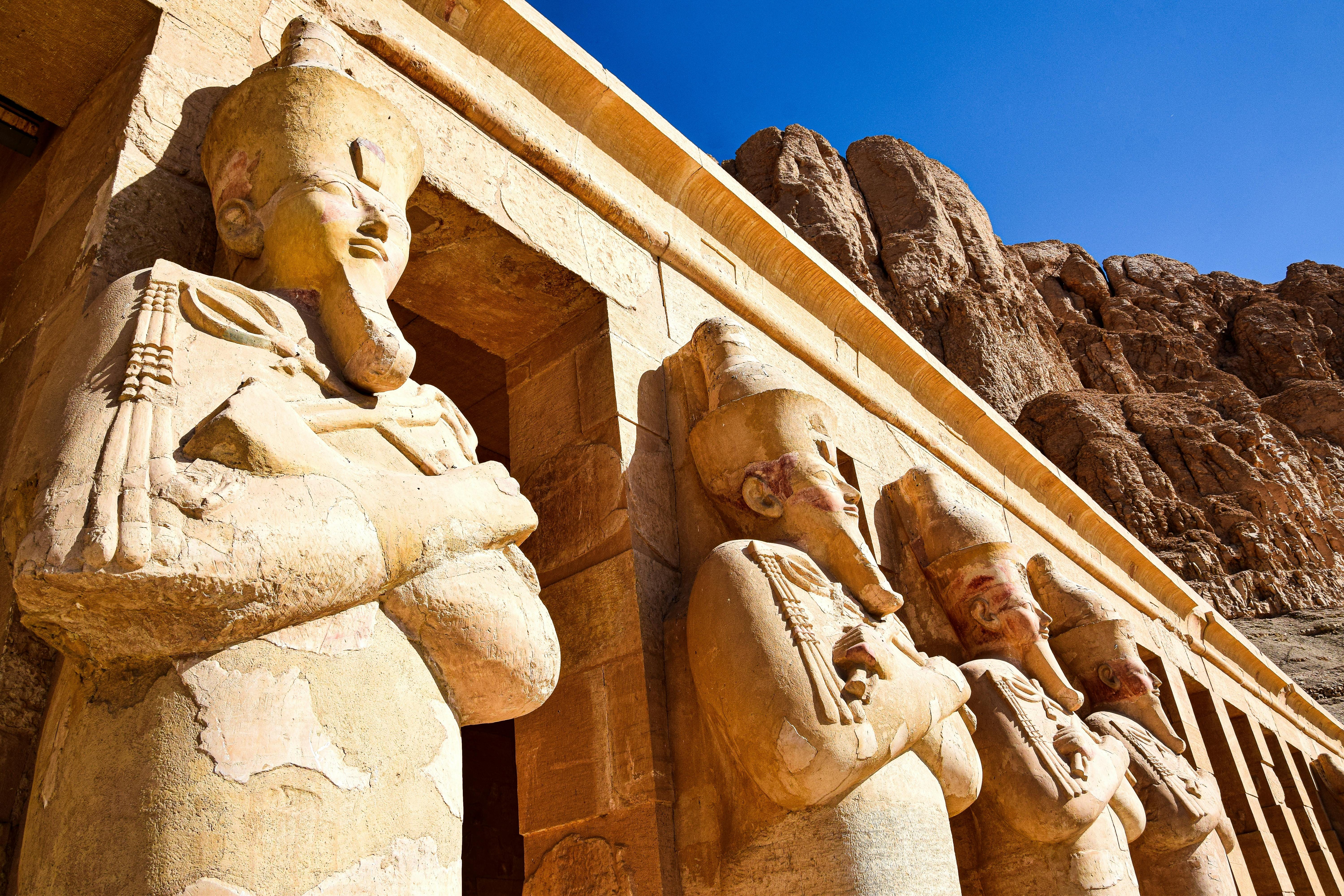
Next, we visited the Valley of the Kings, where Egypt’s most powerful pharaohs were buried. We climbed down into the tomb of Tutankhamun, which, despite its small size, remains one of the most famous discoveries in history. Unlike many others, it was found almost completely intact in 1922 by Howard Carter, giving the world an incredible glimpse into Egypt’s past. We also visited the stunning tomb of Seti I, known for its colorful artwork.
Sailing the Nile on the Sonesta St. George
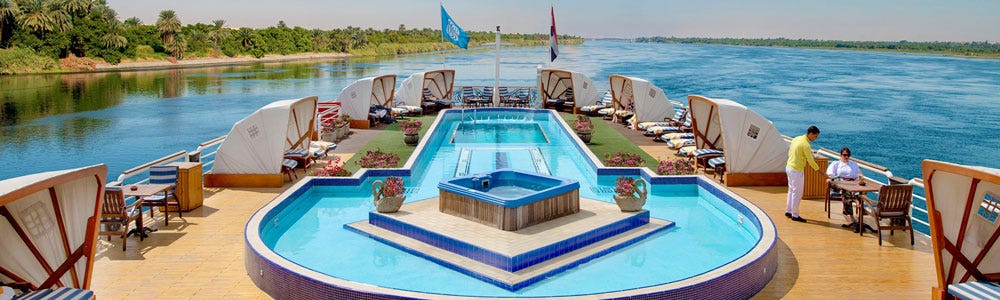
For the next four nights, we cruised along the Nile River, passing peaceful villages, lush palm groves, and historic ruins. The ship had a sun deck, swimming pool, and luxurious rooms, making our journey both comfortable and scenic. Along the way, we watched fishermen casting their nets, farmers tending their crops, and children waving from the shore—a reminder of how life along the Nile has remained unchanged for centuries.
Visiting Karnak Temple
Our first stop was Karnak Temple, one of the largest religious complexes in the world. Dedicated to the gods Amun, Mut, and Khonsu, it is famous for its Great Hypostyle Hall, a massive space filled with towering columns covered in ancient carvings. Walking through Karnak felt like stepping back in time, surrounded by the echoes of history.
Esna Lock & A Floating Market
Later that evening, we passed through the Esna Lock, an impressive engineering system that allows boats to move through different water levels. As we waited, young men in small boats tossed up handmade souvenirs for us to look at. If we wanted to buy something, we placed money inside and tossed it back down—a fun and unique way to shop!
Edfu & Kom Ombo: Temples of the Gods
A highlight of our cruise was visiting Edfu’s Temple of Horus, one of the best-preserved temples in Egypt. We arrived by horse-drawn carriage, passing through the lively streets of Edfu. The temple honors Horus, the falcon-headed god, and is one of the few temples with its roof still intact.
That evening, we explored Kom Ombo Temple, dedicated to Horus and Sobek, the crocodile god. The symmetrical design reflects both deities, and nearby, we visited the Crocodile Museum, where hundreds of mummified crocodiles are on display!
Tasting Local Flavors & Egyptian Traditions
During our journey, we had the chance to try camel meat—a new experience for most of us! Cooked in a rich stew, it tasted surprisingly similar to beef.
That night, we joined a Galabaya Party, where everyone dressed in traditional Egyptian clothing. The evening was filled with laughter, music, and dancing, making it one of the most memorable nights of the trip.
Abu Simbel: The Temples of Ramesses II
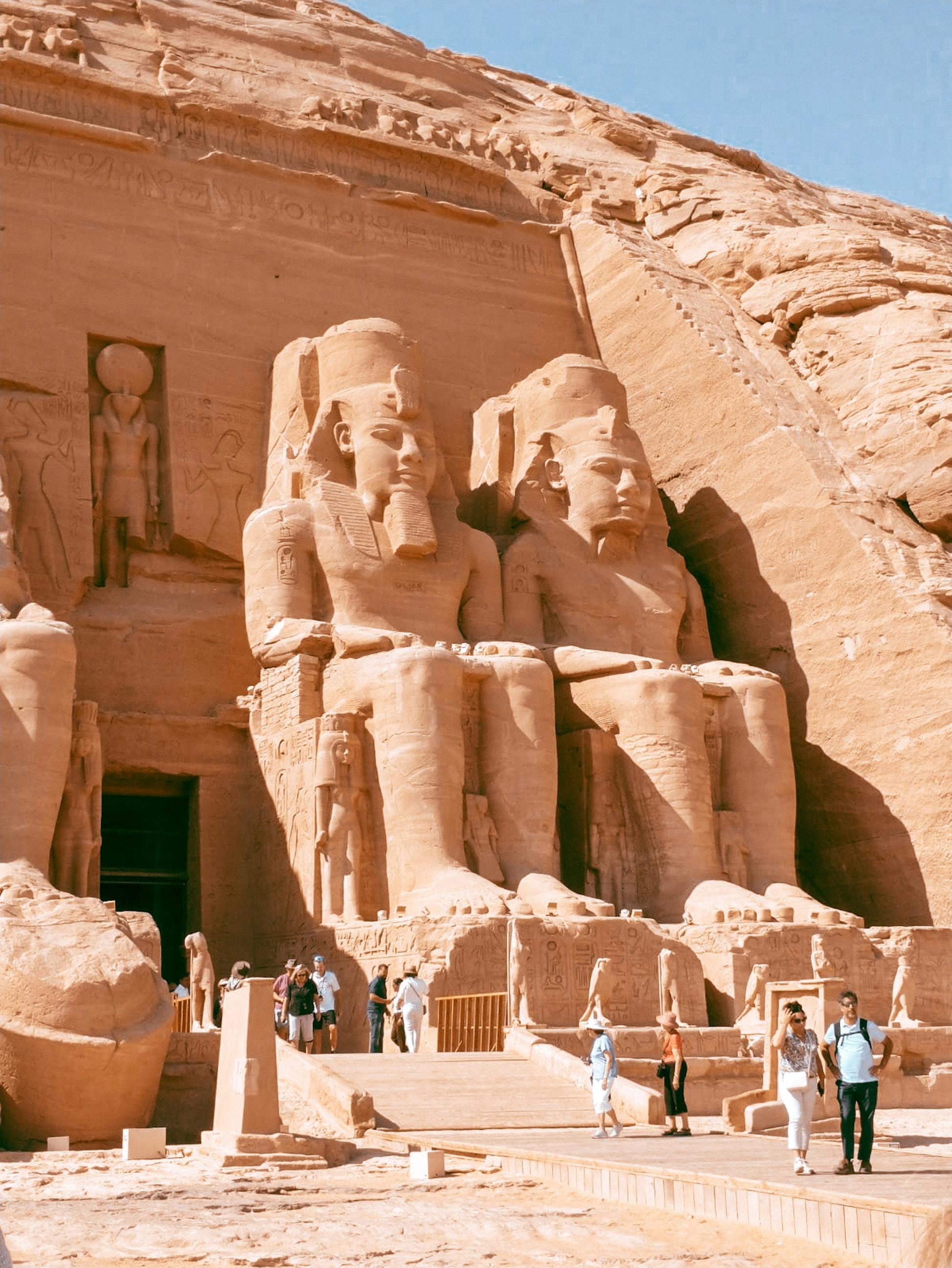
A short flight took us to Abu Simbel, home to the incredible temples of Ramesses II and Queen Nefertari. These massive statues, each nearly 100 feet tall, were carved directly into a mountainside. To save them from flooding after the construction of the Aswan High Dam, the entire site was moved in 1968—a remarkable feat of engineering.
Philae Temple & Our Final Stop in Aswan
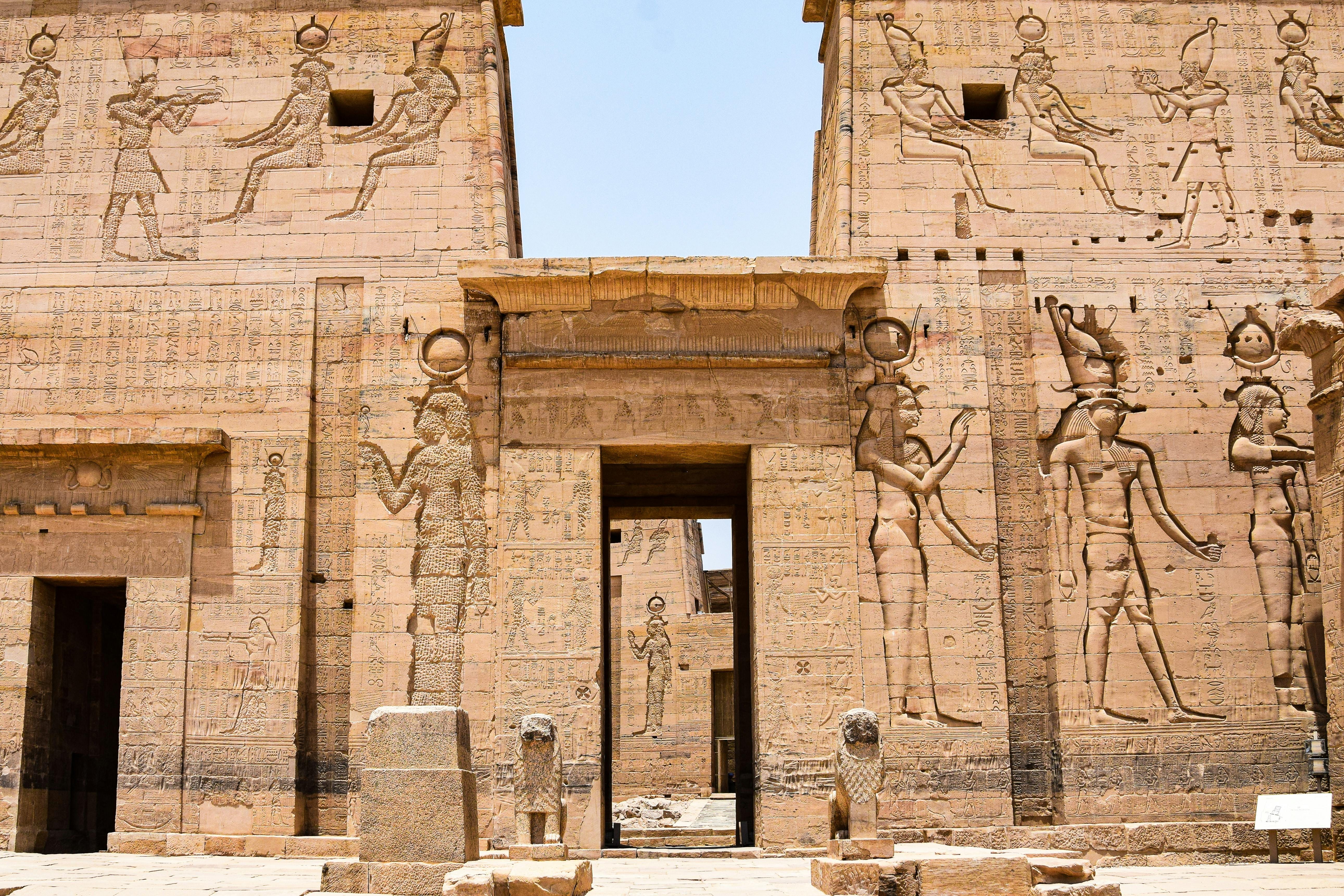
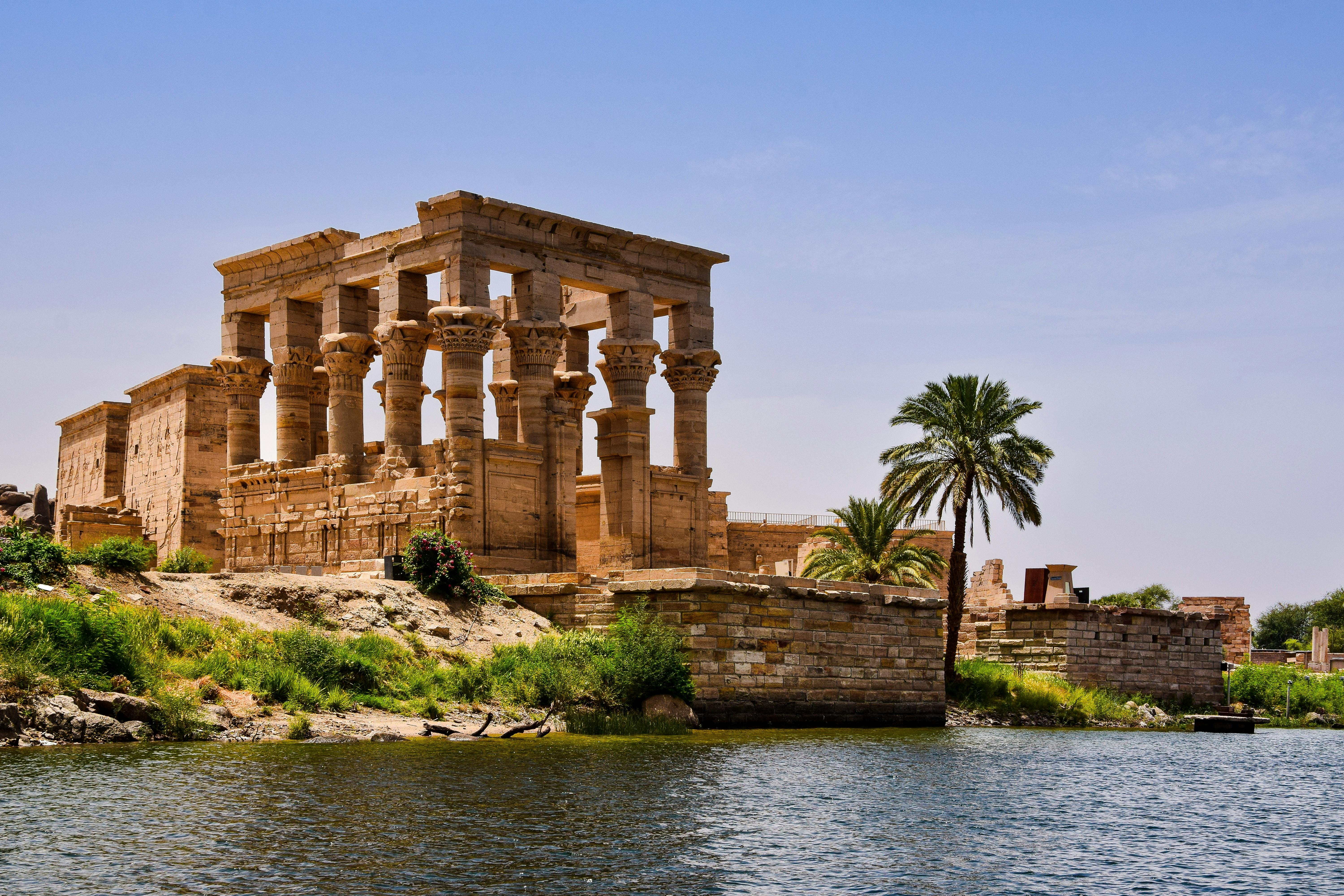
Our last temple visit was Philae, located on an island and dedicated to Isis, the goddess of magic and motherhood. The boat ride to the temple was a peaceful contrast to the grandeur of the other sites we had seen.
In Aswan, we had the chance to visit the Om Habibeh Foundation, which helps local women through education and craft-making. Supporting their handmade goods was a meaningful way to connect with the community.
A Memorable Farewell to Egypt
Returning to Cairo for one last night, we enjoyed a final dinner at Al Khal Egyptian Restaurant, known for its delicious local dishes. As we reflected on our journey—walking through ancient temples, sailing the Nile, and experiencing Egypt’s rich culture—we felt grateful for the unforgettable memories we had made.
The next morning, as we boarded our flight home, we carried more than just souvenirs—we carried a deep appreciation for Egypt’s timeless magic. This journey had left a lasting impression, and we knew one thing for sure: Egypt is a place we will return to.