
Cuba is a country like no other—a place where history, art, and humanity intersect in powerful ways. On our visit, we traveled with Go Next on an Oceania cruise around the island, stopping in Havana, Cienfuegos, Trinidad, and Santiago de Cuba. What we saw, learned, and experienced left us forever changed. This is the story of our unforgettable journey.
Cuba’s Fascinating Journey: A Tale of Contrasts
Cuba’s rich history is marked by vibrant culture and dramatic change. Once a crown jewel of the Caribbean, Havana dazzled in the 1940s and 1950s with luxurious hotels, world-class nightclubs, and casinos that drew celebrities like Frank Sinatra and Ernest Hemingway. Beneath the glamour, however, widespread poverty and inequality shaped the lives of many Cubans.
The Cuban Revolution, led by Fidel Castro and Che Guevara, sought to address these disparities. By 1959, Cuba had become a socialist state, nationalizing industries and redistributing wealth. The U.S. embargo in 1960 severed economic ties and created tensions that persist today.
Cuba officially identifies as a socialist state, providing free healthcare and education through a centrally planned economy, though its governance is rooted in Marxism-Leninism. Despite economic challenges, Cuban culture, art, and music remain vibrant and deeply inspiring.
Travel Today: The U.S. maintains strict travel restrictions to Cuba, but educational trips are possible through licensed organizations like Road Scholar or AHI Travel. For those who can visit, Cuba offers a rare opportunity to experience its complex history, resilient people, and captivating culture firsthand.
Where We Went
1. Havana:
• The capital city frozen in time, with its skyline virtually unchanged since 1959.
• Revolutionary Square, the US Embassy in Miramar, and the luxurious yet historic Hotel Nacional.
2. Cienfuegos:
• A quieter city showcasing the Cuban way of life outside the tourist hub.
• A UNESCO site, its colonial charm reflects Cuba’s Spanish heritage.
3. Trinidad:
• A kaleidoscope of cobblestone streets, horse-drawn carriages, and colonial architecture.
• Once a hub for sugar plantations, it reveals the dark history of slavery alongside the vibrancy of modern Cuban culture.
4. Santiago de Cuba:
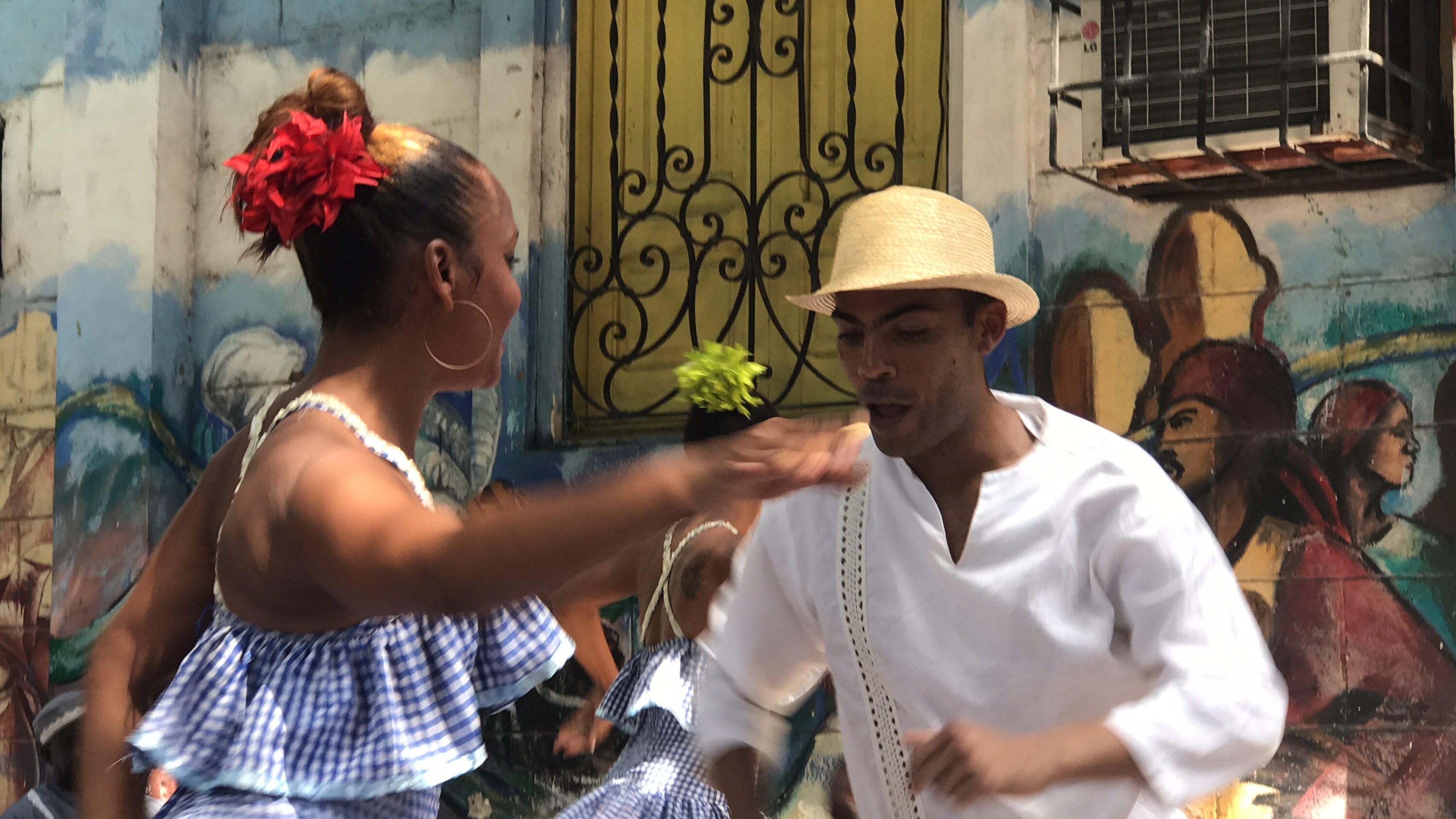
• A melting pot of Afro-Cuban traditions, music, and revolutionary spirit.
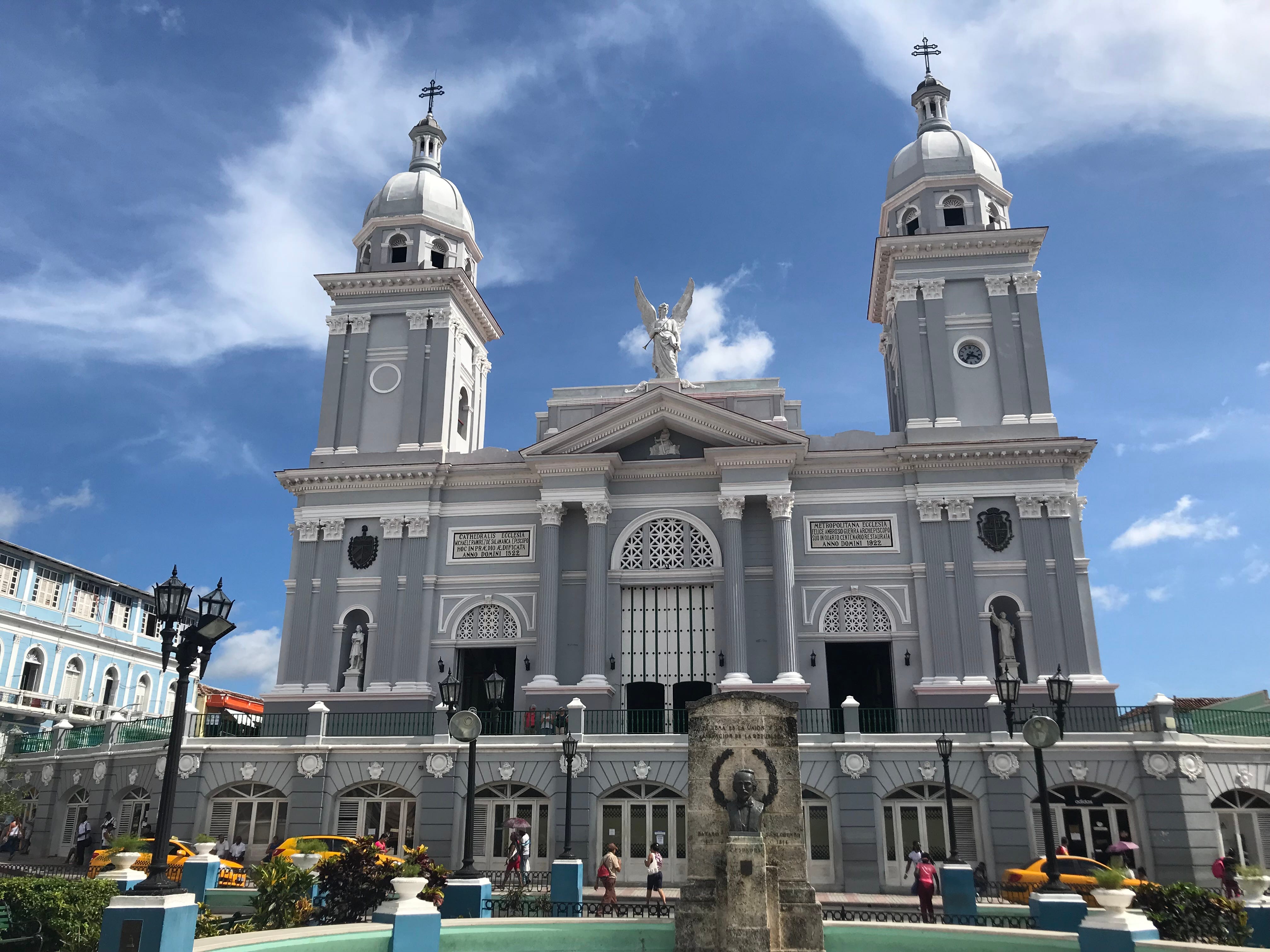
• From Céspedes Park to the historic San Juan Hill, this city is steeped in history.
What We Saw: Highlights of Our Cuban Adventure
1. Old Havana (Habana Vieja):
A UNESCO World Heritage Site, Old Havana is a living museum of colonial architecture and vibrant Cuban culture.
• Plazas and Squares: Plaza Vieja, Plaza de la Catedral, Plaza de Armas, and Plaza de San Francisco each offer unique charm and history.
• Cobblestone streets, pastel-colored buildings, and lively markets made it a magical place to wander.
2. Miramar and Its Embassies (Havana):
This affluent neighborhood, home to grand mansions now occupied by embassies like Qatar and Belgium, is a striking contrast to Havana Vieja.
3. Hotel Nacional de Cuba (Havana):
Sitting in the indoor bar overlooking the Malecón, we enjoyed a Cuba Libre (rum and Coke) and a fine cigar while listening to live music. This iconic hotel, steeped in history, embodies the glamour of pre-revolutionary Havana.
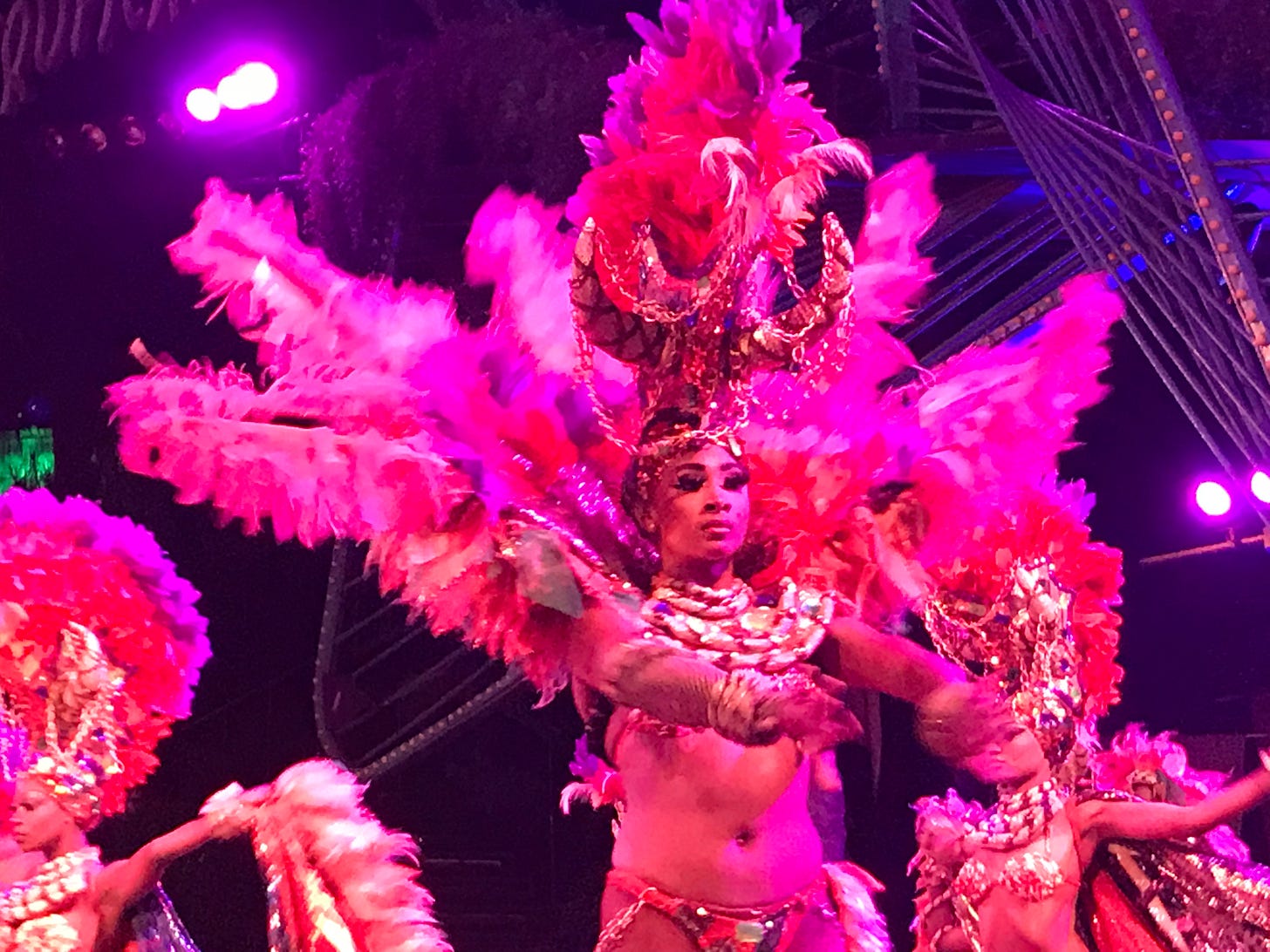
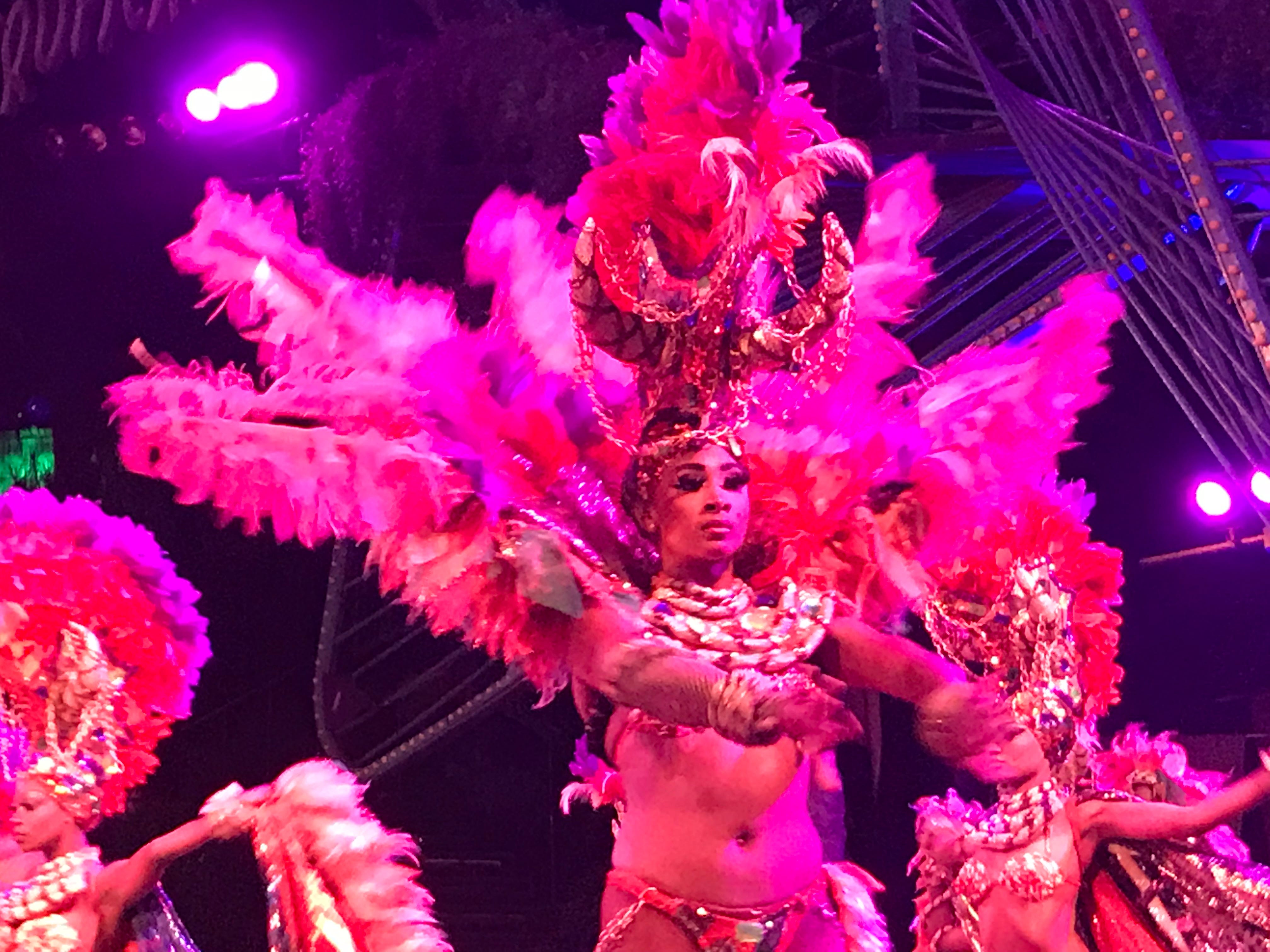
4. Tropicana Cabaret (Havana):
Known for its lavish costumes and vibrant outdoor performances, this high-energy show has dazzled audiences since 1939.
5. Vintage Cars in Havana:
Riding in a 1953 Oldsmobile was a highlight of Havana’s timeless charm.
6. Fusterlandia (Havana):
José Fuster’s colorful mosaic wonderland, transforming over 80 homes, is a must-see.
7. Revolutionary Square (Havana):
The murals of Che Guevara and Camilo Cienfuegos made this an iconic stop.
8. Havana’s Bars and Nightlife:
From Floridita’s daiquiris to local hidden gems, Havana’s vibrant nightlife never disappointed.
9. “I Love Cuba” Photo Tours (Havana):
Guided by a talented photographer, this tour captured the vibrant spirit of Havana.
10. Cienfuegos: The Pearl of the South (Cienfuegos):
We explored Parque Martí, the stunning Palacio de Valle, and strolled along the picturesque Malecón, taking in the charm of this elegant seaside town.
11. The UNESCO City of Trinidad (Trinidad):
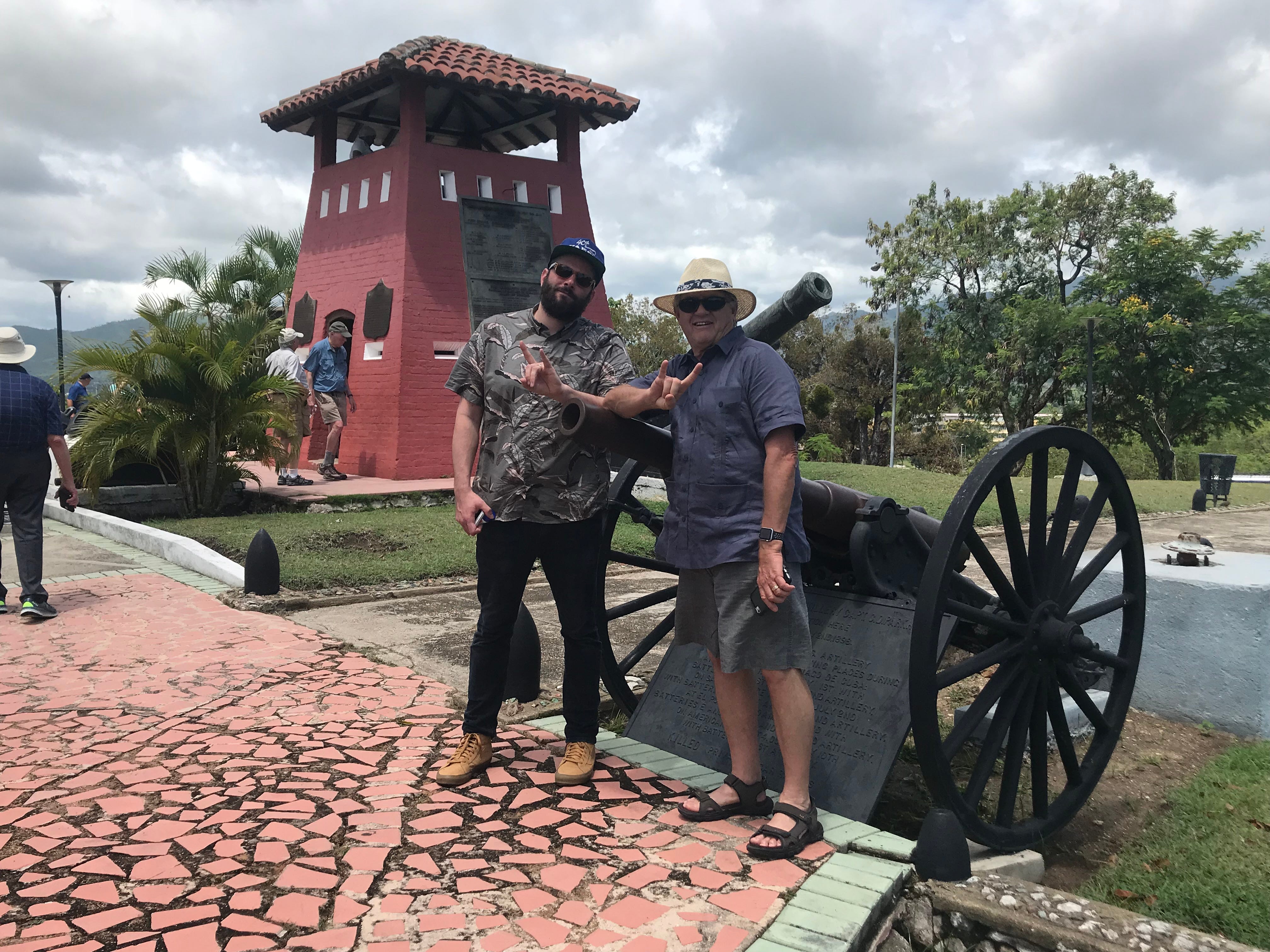
Walking through cobblestone streets and colorful colonial homes, we soaked up live music in the plaza. A visit to the nearby Valle de los Ingenios (Sugar Valley) and the Manaca Iznaga watchtowerrevealed Cuba’s sugar plantation history.
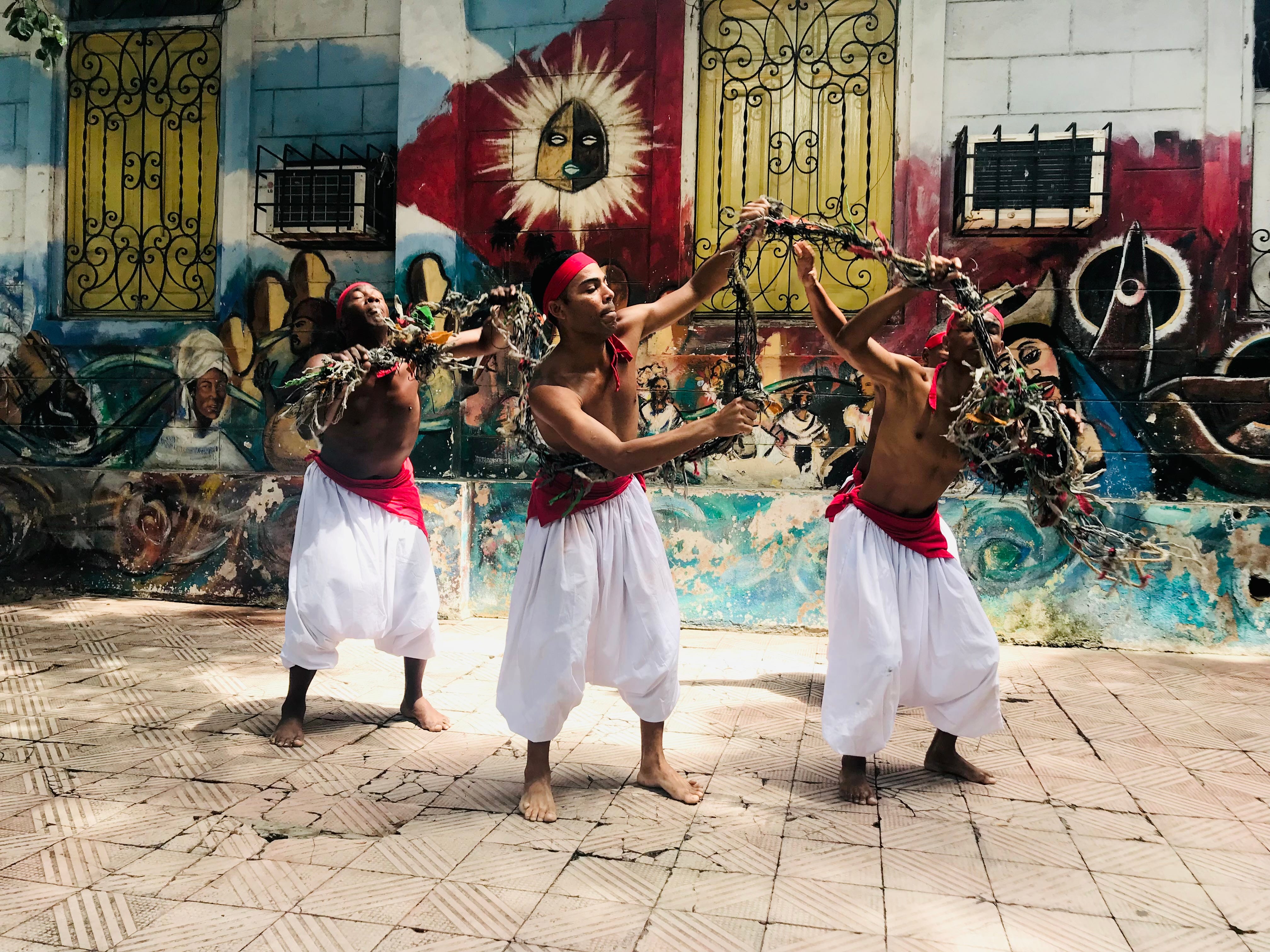
12. Tropicana’s Counterpart: Santiago de Cuba’s Casa del Caribe (Santiago de Cuba):
A mix of history, music, and Afro-Cuban traditions made this cultural performance unforgettable.
13. San Pedro de la Roca Castle (El Morro of Santiago) (Santiago de Cuba):
Perched on a cliff, this UNESCO World Heritage Site offered stunning views and insight into Cuba’s colonial history.
What I Learned About Life in Cuba
Cuba is a land of contrasts—its beauty tempered by struggle, its resilience fueled by community. It’s a place where professionals like doctors earn as little as $50 a month, yet free education and healthcare remain points of pride. Ration books provide basics, but food shortages are common. Despite economic challenges, the Cuban people are resourceful, welcoming, and deeply connected to their culture.
Why I’d Go Back
Cuba is more than its beaches, rum, and cigars—it’s a nation of rich history, deep culture, and resilient people. I’d return to explore more of its lesser-known areas, support its burgeoning tourism industry, and gain a deeper understanding of its complex identity.
Travel Tips for Visiting Cuba
• Money Matters: Bring Euros or Canadian dollars; US credit cards aren’t accepted.
• Stay Safe: Drink bottled water and avoid ice.
• Pack Thoughtfully: Bring basic supplies like toiletries or snacks, as many items are unavailable locally.
• Be Respectful: Learn a few Spanish phrases and support local businesses.
• For a Taste of Cuba in the US: Visit Little Havana in Miami for authentic guayabera shirts, hats, and mojitos.