
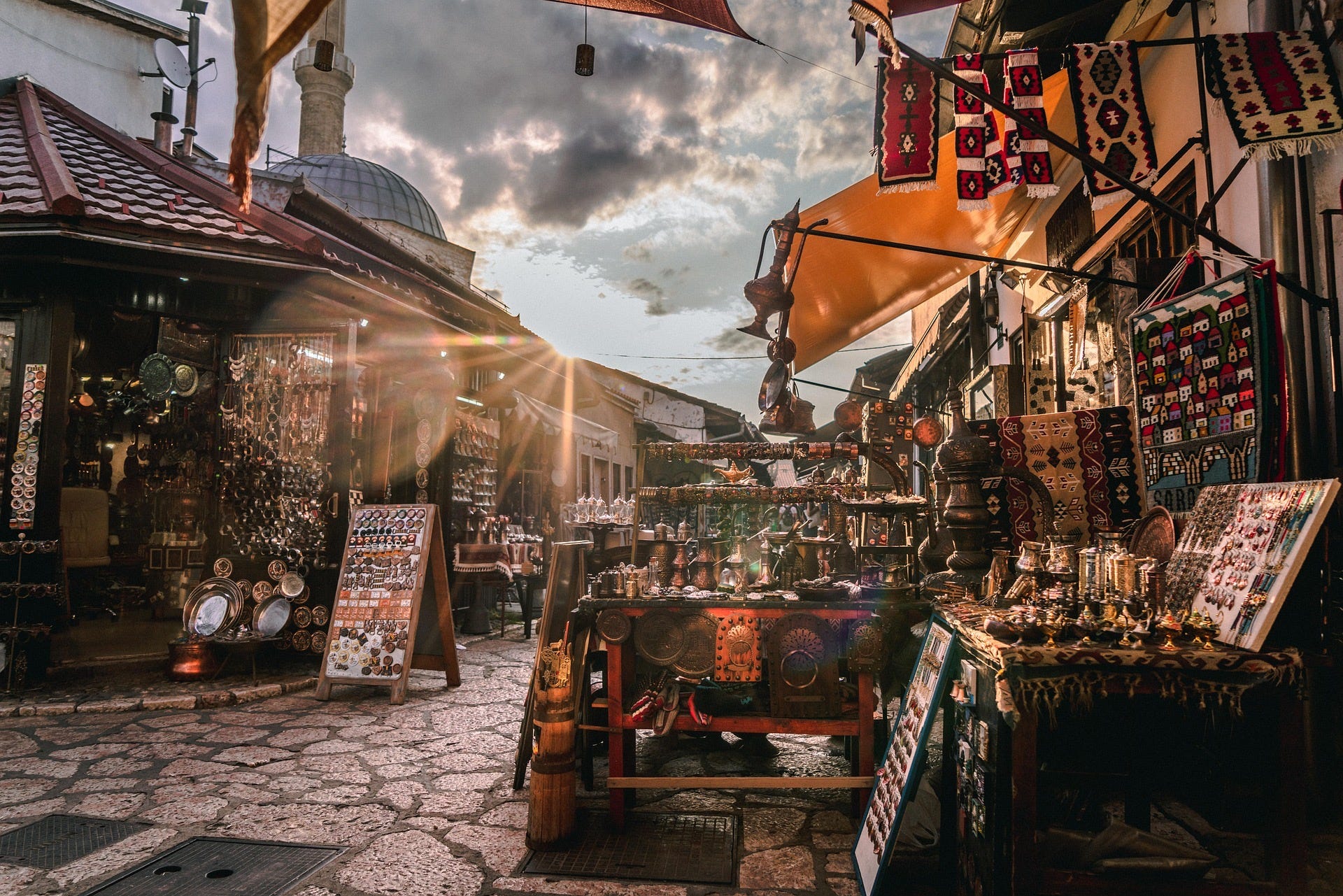
A Journey Through Hidden Histories, Soulful Cities, and Old-World Wonder
Countries in this region:
Romania, Bulgaria, Serbia, Bosnia & Herzegovina, North Macedonia, Albania, Moldova, Ukraine, Belarus, Georgia*, Armenia*
For safety tips on where to travel or avoid, see the end of the article.
Note: While Georgia and Armenia straddle the boundary between Eastern Europe and Western Asia, they are often included in extended Eastern Europe cultural travel.
Eastern Europe is where myth meets memory—where cobbled streets echo with centuries of stories, and nature and architecture live side by side in glorious tension. From haunting castles in the Carpathians to the vibrant cafés of Belgrade and Tbilisi, this region offers soul-stirring travel that’s raw, resilient, and remarkably beautiful. It’s where you go to dig deeper—and often end up discovering more than you expected.
Top 15 Things to Do in Eastern Europe
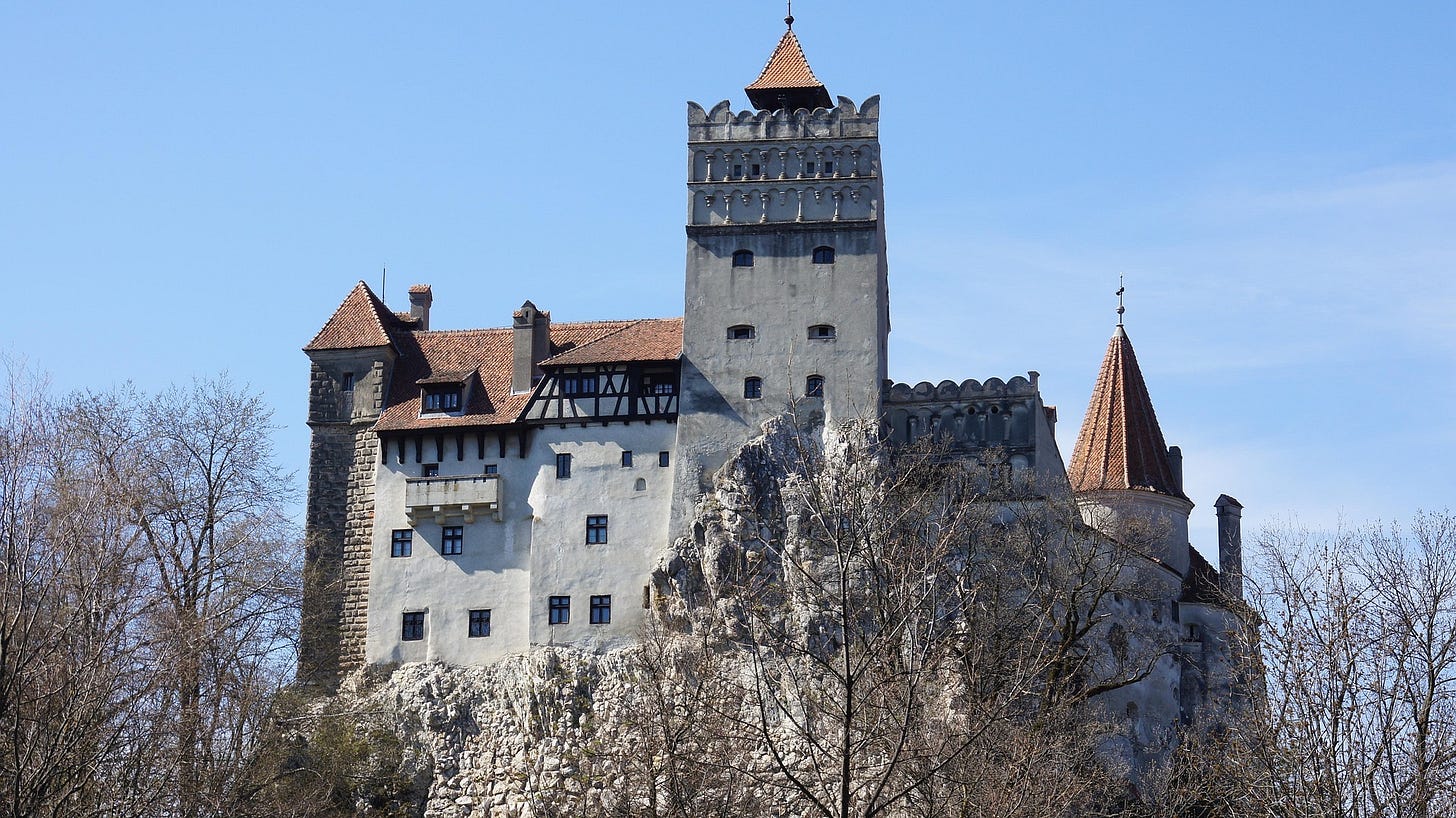
1. Explore Bran Castle (a.k.a. Dracula’s Castle) (Transylvania, Romania)
Tour this legendary fortress in the Carpathian Mountains, tied to the Dracula myth and surrounded by misty forests and folklore.
2. Wander Through Kyiv’s Lavra Monastery and Catacombs (Kyiv, Ukraine)
Step into one of Eastern Orthodoxy’s holiest sites with golden domes, ancient tunnels, and a rich spiritual heritage.
3. Soak in Széchenyi-style Thermal Baths (Sofia, Bulgaria)
Enjoy hot mineral springs right in the heart of the city, often in Ottoman- or Roman-influenced spa buildings.
4. Visit the Painted Monasteries of Bucovina (Northern Romania)
Marvel at UNESCO-listed Orthodox churches whose vivid exterior frescoes have survived centuries of weather and war.
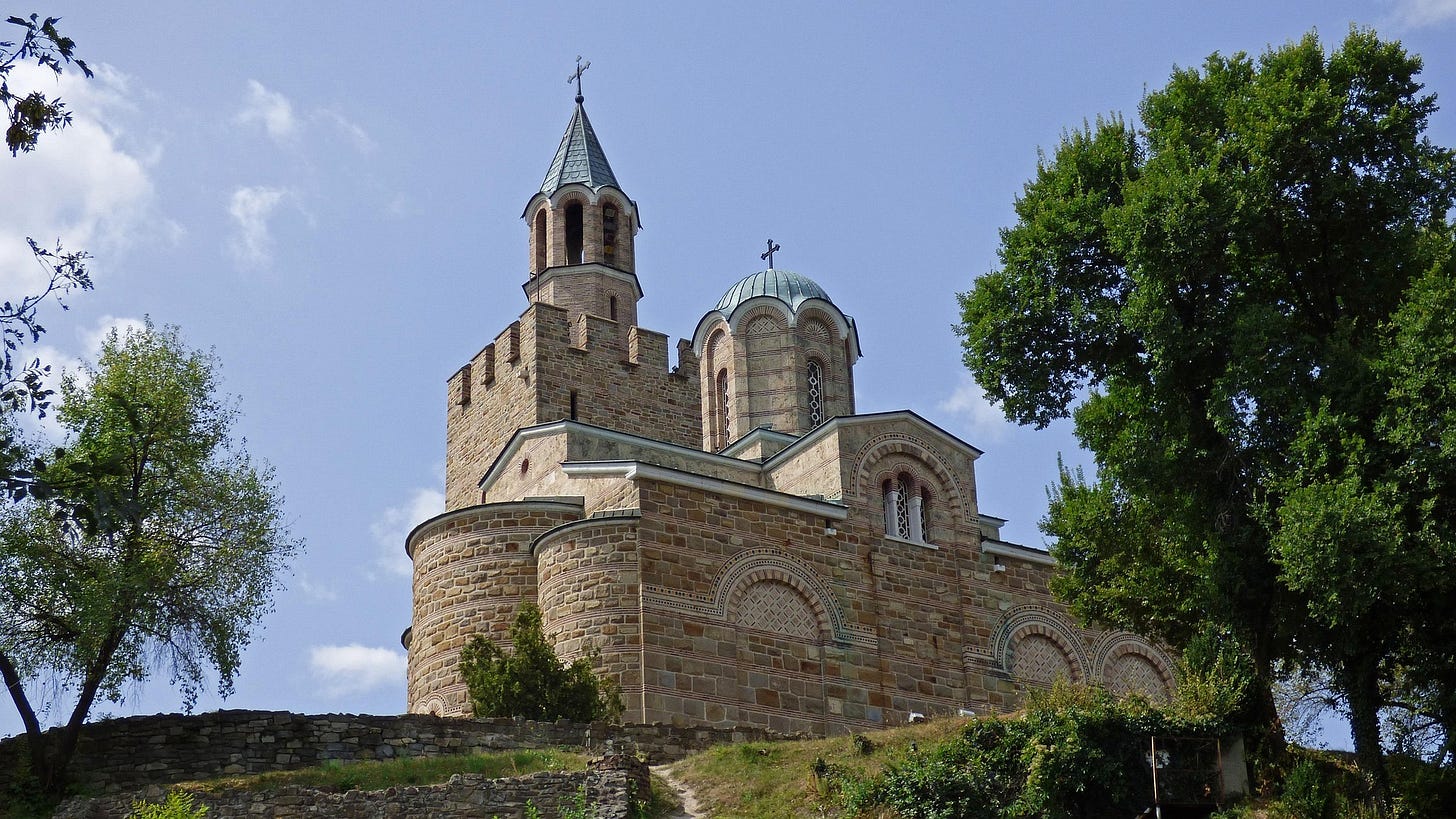
5. Climb to the Fortress of Tsarevets (Veliko Tarnovo, Bulgaria)
Walk ancient ramparts that once held the capital of the Second Bulgarian Empire—complete with views and medieval towers.
6. Cruise the Dniester River to Old Orhei (Moldova)
Sail past dramatic cliffs and monasteries carved into the stone in this stunning, off-the-beaten-path region.
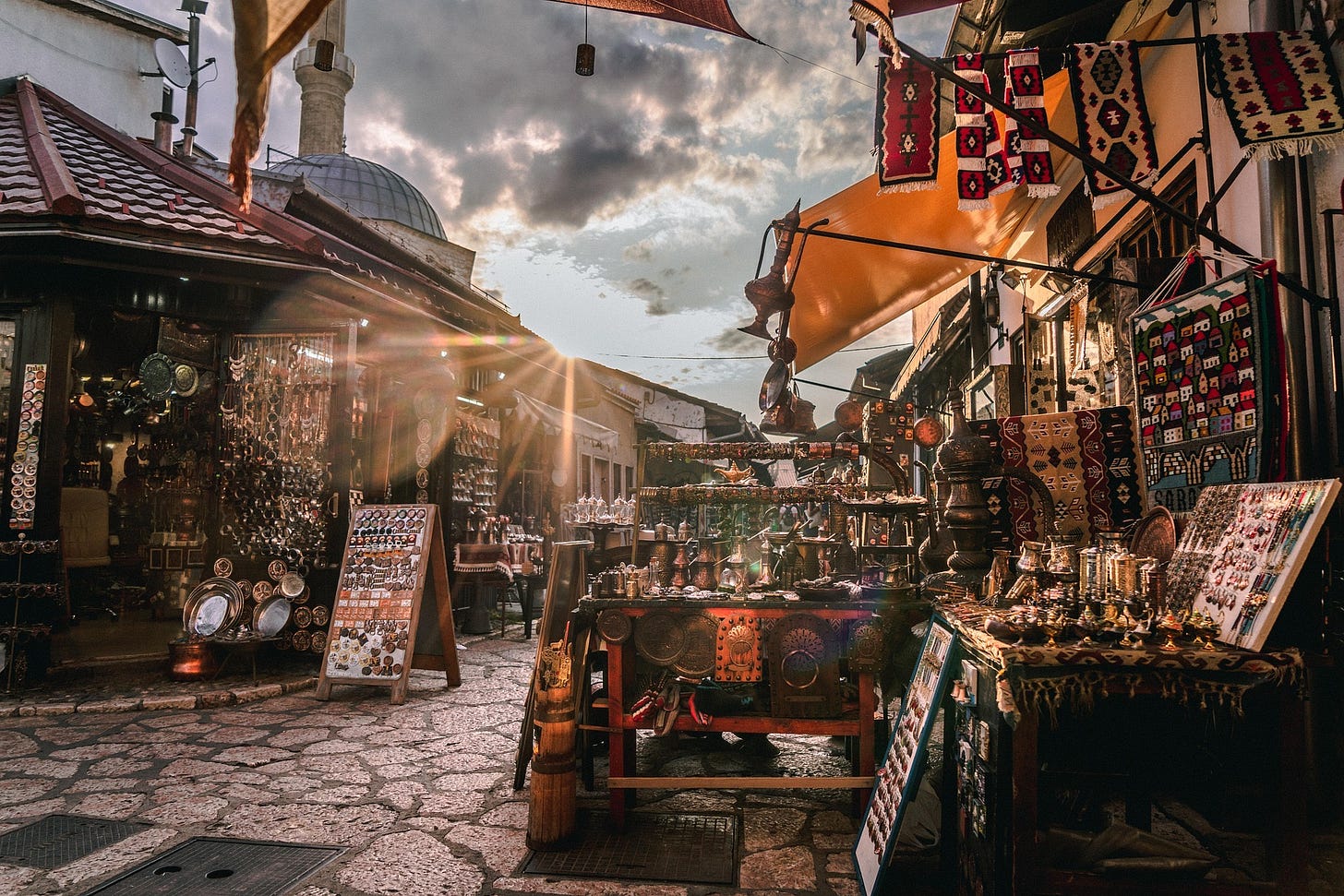
7. Explore Sarajevo’s Baščaršija Market (Sarajevo, Bosnia & Herzegovina)
Wander Ottoman-style lanes filled with copperware, coffee, mosques, and a multicultural soul shaped by centuries of resilience.
8. Visit the Rila Monastery (Rila Mountains, Bulgaria)
This striking black-and-white monastery is one of Bulgaria’s most important spiritual centers—nestled in pine-forested peaks.
9. Ride the Chairlift to Mount Vodno (Skopje, North Macedonia)
Take in panoramic views from the Millennium Cross and enjoy hiking, churches, and nature close to the capital.
10. Taste Wine in the Kakheti Region (Georgia)
Sip qvevri-aged wines in Georgia’s lush countryside, where winemaking dates back 8,000 years and hospitality is a national art form.
11. Hike the Trails of the Accursed Mountains (Albanian Alps, Albania)
Venture into one of Europe’s most rugged and breathtaking landscapes, with glacial valleys, wildflower meadows, and untouched beauty.
12. Explore the Caves and Monasteries of Uplistsikhe (Georgia)
Wander a 3,000-year-old rock-hewn town that once held royal chambers, tunnels, and pagan temples carved into cliffs.
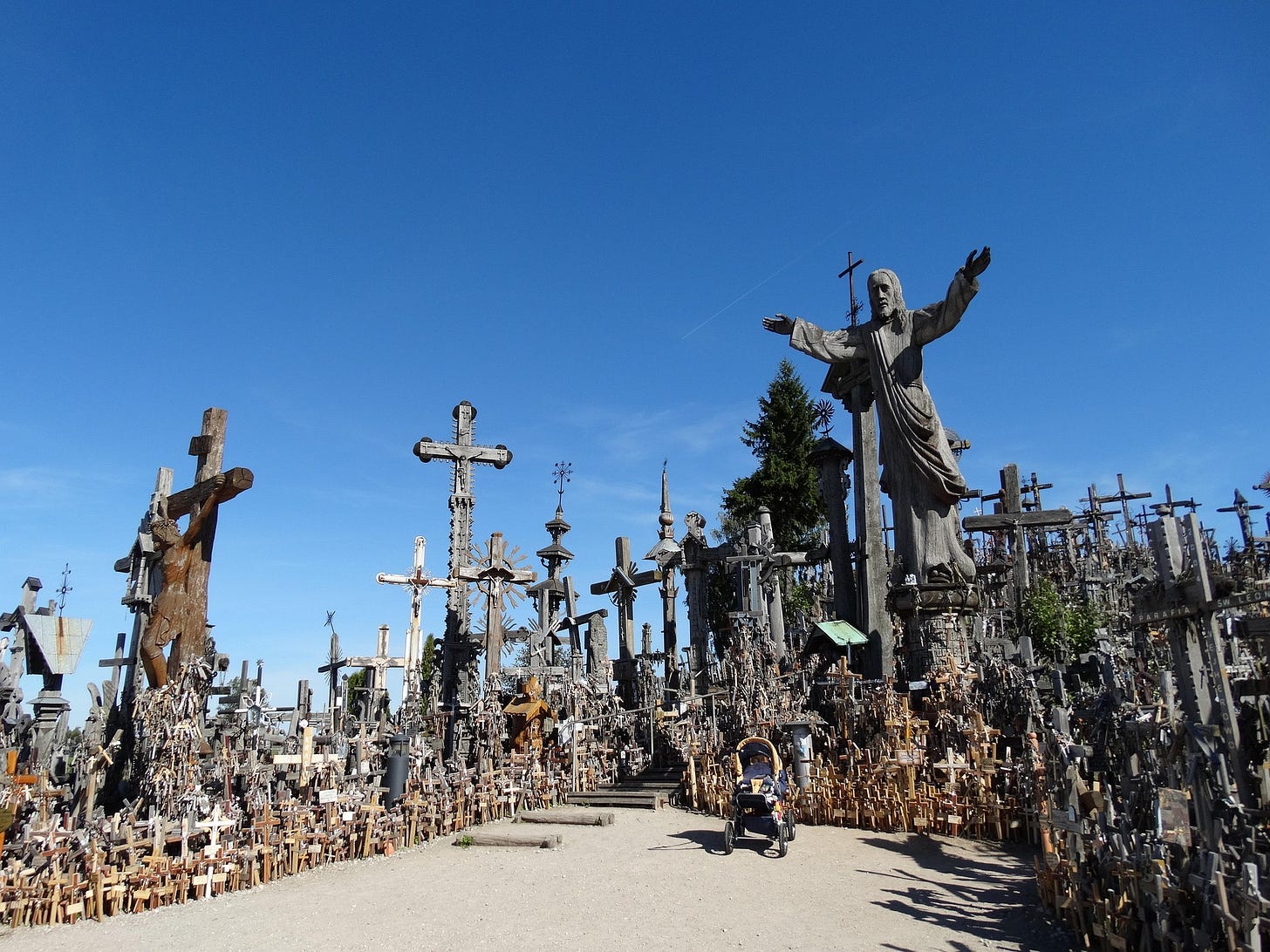
13. Visit the Hill of Crosses (Šiauliai, Lithuania — often included in Eastern Europe itineraries)
Experience a surreal, deeply moving pilgrimage site where thousands of crosses stand in silent testimony to faith and resilience.
14. Discover Belgrade Fortress at Sunset (Belgrade, Serbia)
Overlook the confluence of the Danube and Sava Rivers as history, ruins, and city lights collide in Serbia’s spirited capital.
15. Step Inside the Vernissage Art Market (Yerevan, Armenia)
Shop for handwoven carpets, stone carvings, and Armenian art at this vibrant open-air market in the shadow of Mount Ararat.
Caution Advised – Travel with Regional Awareness
These countries have specific areas to avoid due to frozen conflicts, political instability, or unrecognized breakaway regions. Main cities are generally safe, but extra caution is advised.
• Moldova (Eastern Europe) – Avoid Transnistria, a breakaway territory with no diplomatic protections.
• Georgia (Caucasus) – Safe overall, but avoid Abkhazia and South Ossetia, which are Russian-occupied.
• Armenia (Caucasus) – Yerevan and tourist areas are safe, but avoid the Nagorno-Karabakh border zone.
❌ Not Currently Safe for Travel
These countries are impacted by war or authoritarian crackdowns. Travel is strongly discouraged or restricted.
• Ukraine (Eastern Europe) – Ongoing war with Russia. Many regions are active conflict zones.
• Belarus (Eastern Europe) – Authoritarian regime with civil unrest, detentions, and close alignment with Russia. Most Western governments advise against travel.
Final Thoughts
Eastern Europe is layered and luminous—equal parts beauty and grit, joy and gravity. It’s where stories are still being written, and where travel stretches your mind and moves your heart. You may come for the castles, cafés, or churches—but you’ll leave with something far deeper: a sense of humanity, history, and hope that stays with you long after you return.