
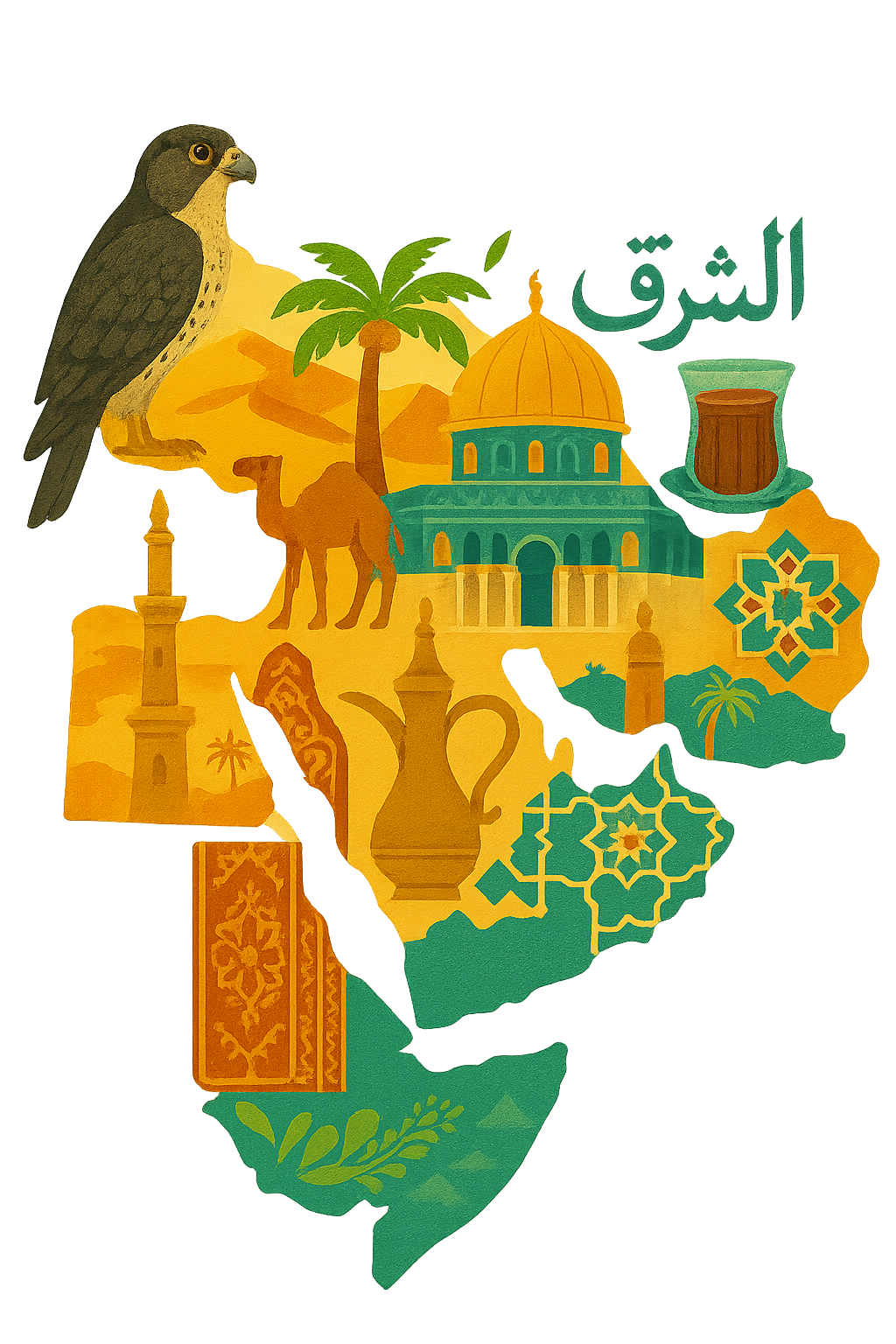
Middle East: Eternal Echoes & Dazzling Horizons
A Region of Sacred Ground, Shimmering Cities, and Unshakable Spirit
Explore Our TripsFrom the whisper of desert winds through Petra’s ancient walls to the call to prayer echoing over Jerusalem’s Old City, the Middle East unfolds like no other. It’s a place where history is not only remembered—it’s lived.
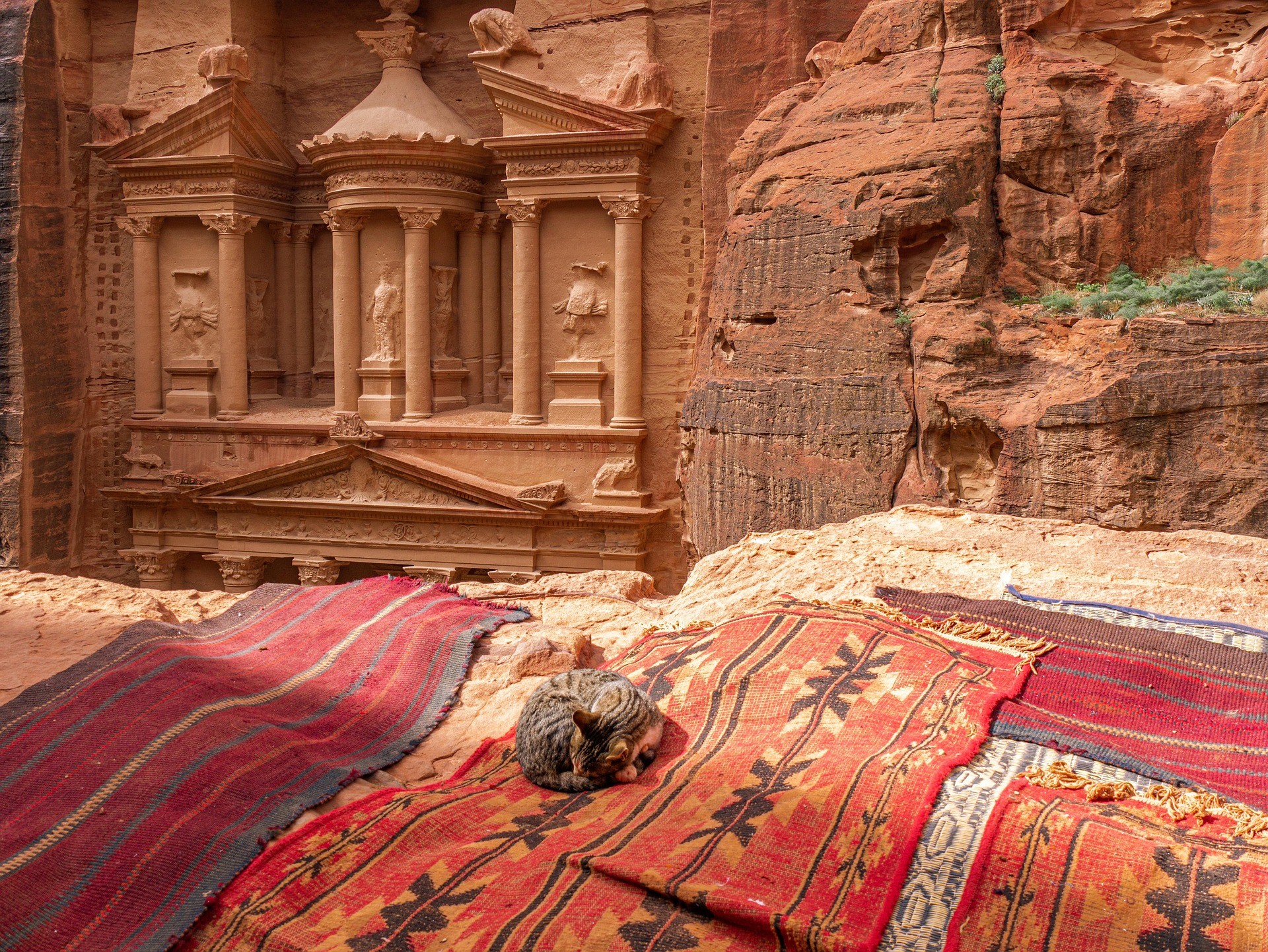
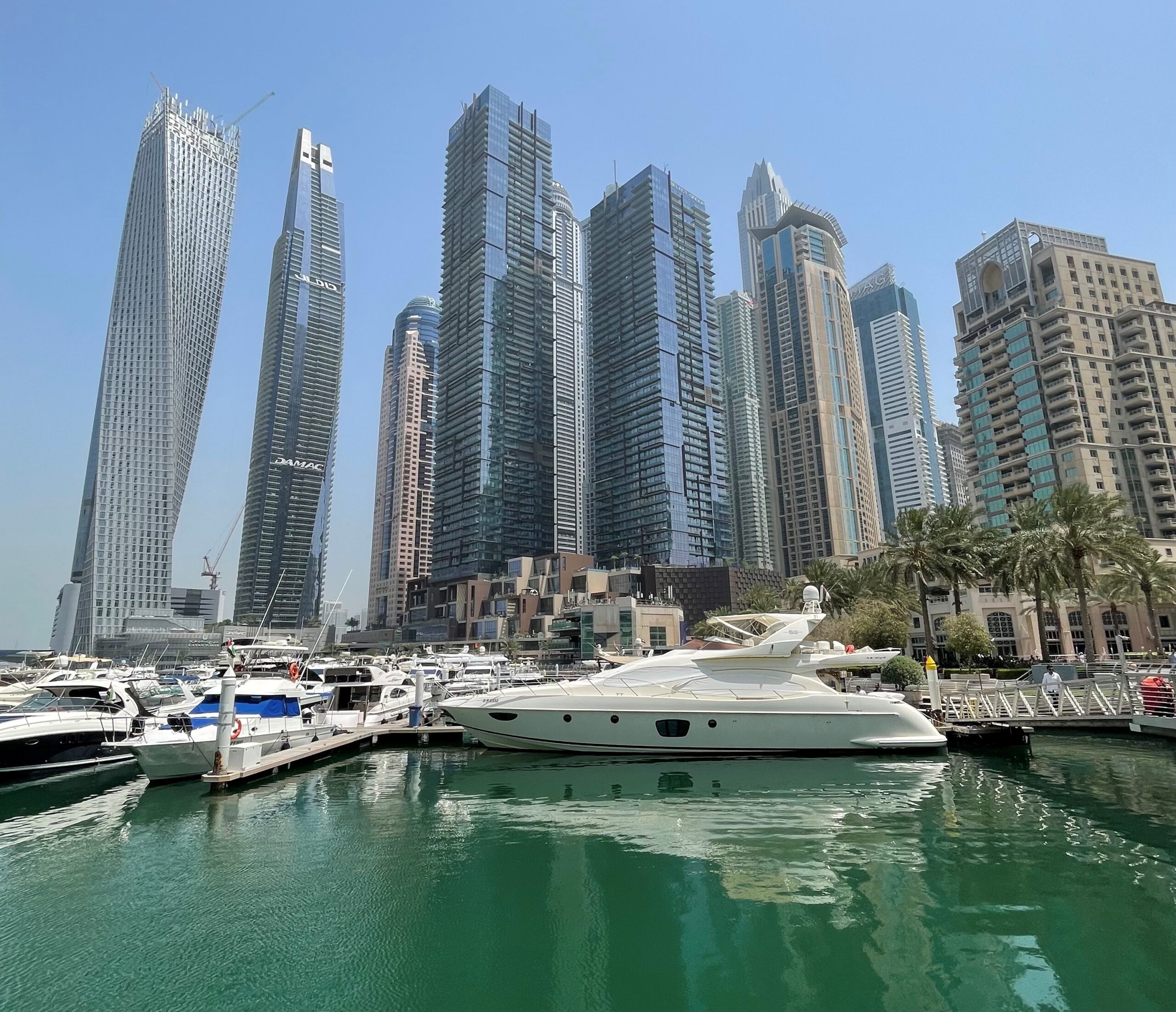
We’ve floated in the Dead Sea, stood in reverence at the Western Wall, and marveled at the Blue Mosque’s artistry in Istanbul. We’ve shopped beneath chandeliers in the Mall of the Emirates and ascended the Burj Khalifa, Dubai’s sky-piercing tower. Cruising the Bosphorus, wandering Petra’s rose-colored passageways, and gazing at ancient lands from luxury camps beneath desert stars—it’s all etched in memory.
This is where ancient prophets walked, empires rose and fell, and modern marvels now shimmer against the sand. Whether you seek spiritual awakening, cultural immersion, or cutting-edge indulgence, the Middle East offers timeless wonder at every turn.
The Levant
Cradle of Faith and Civilization
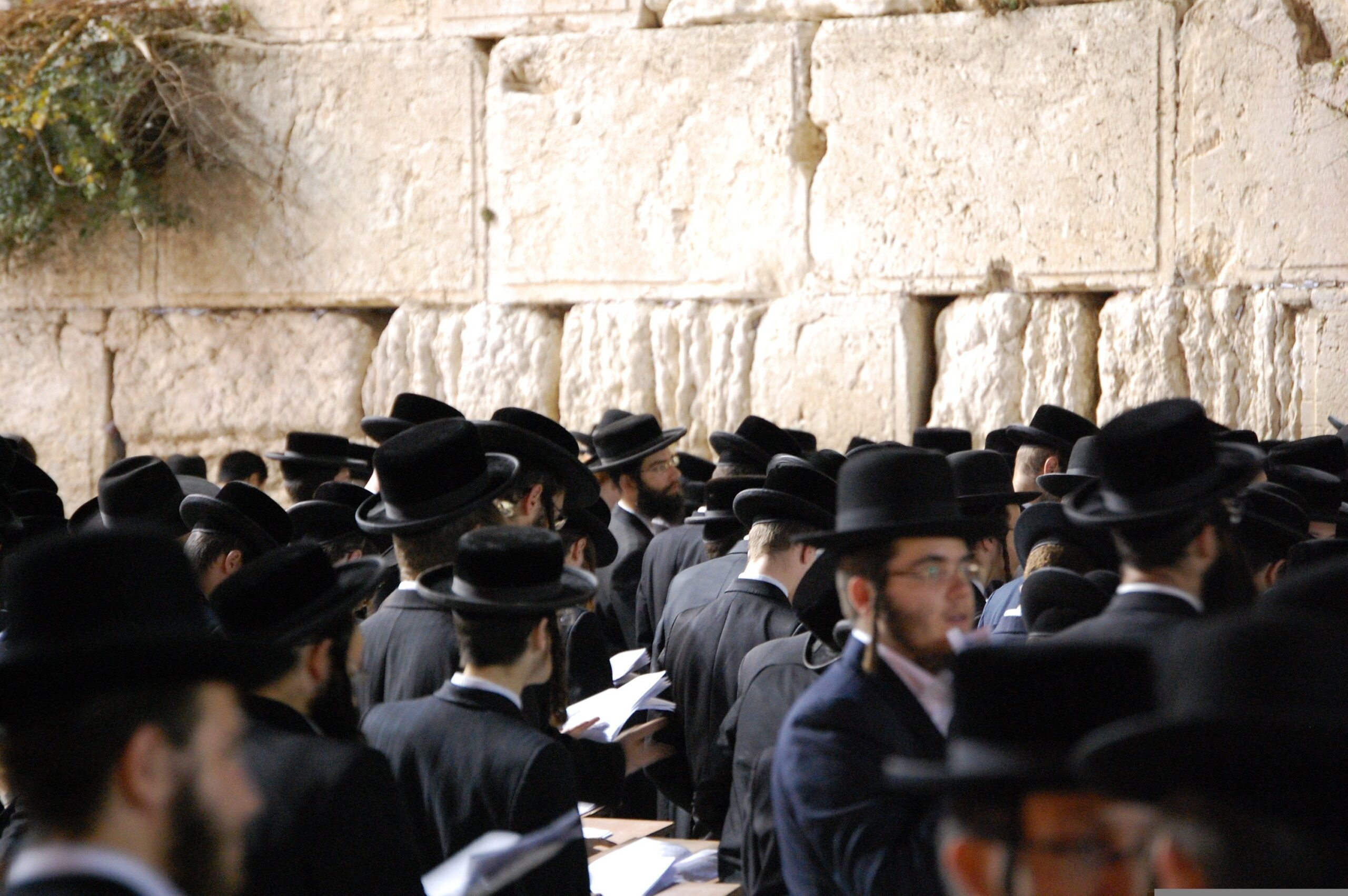
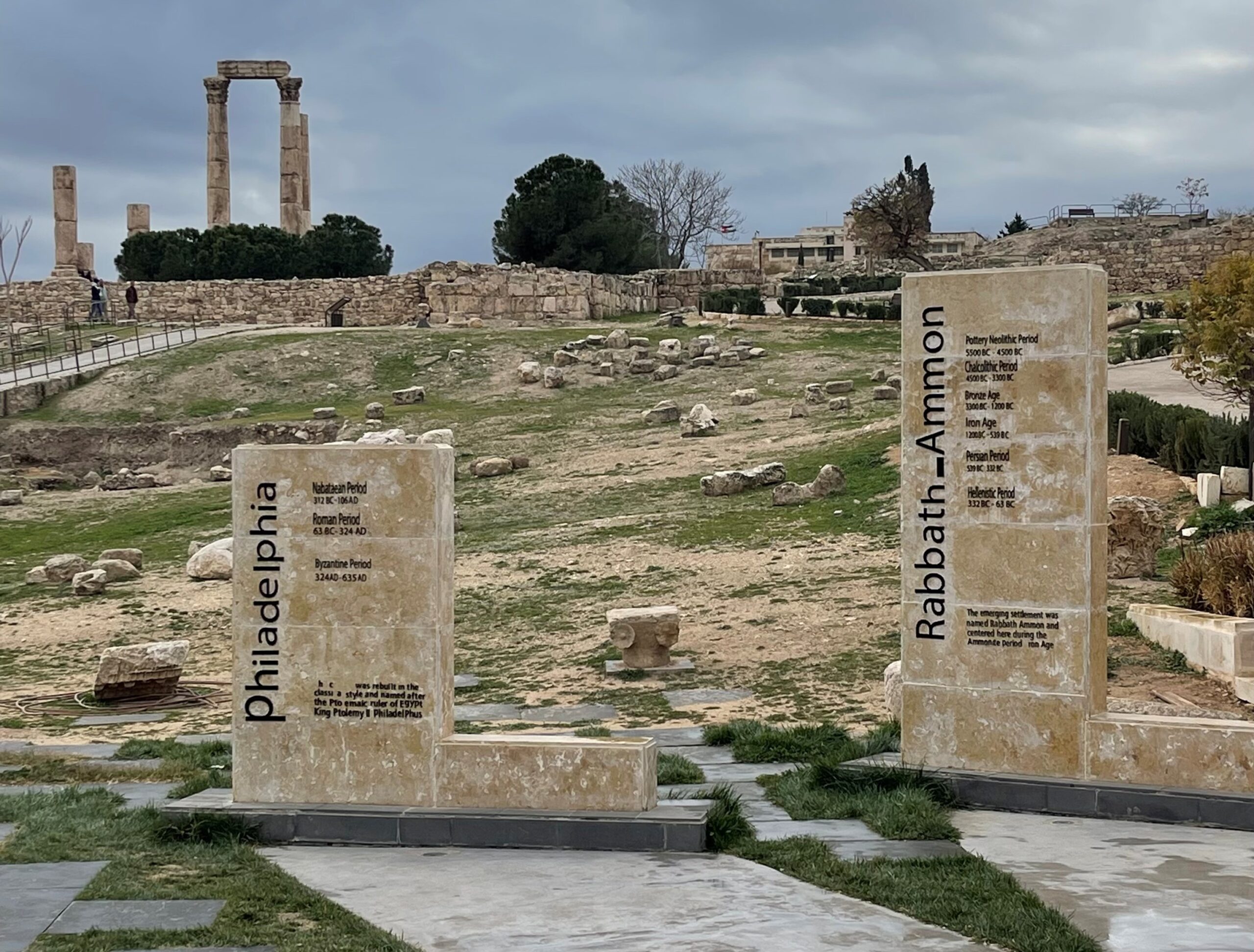
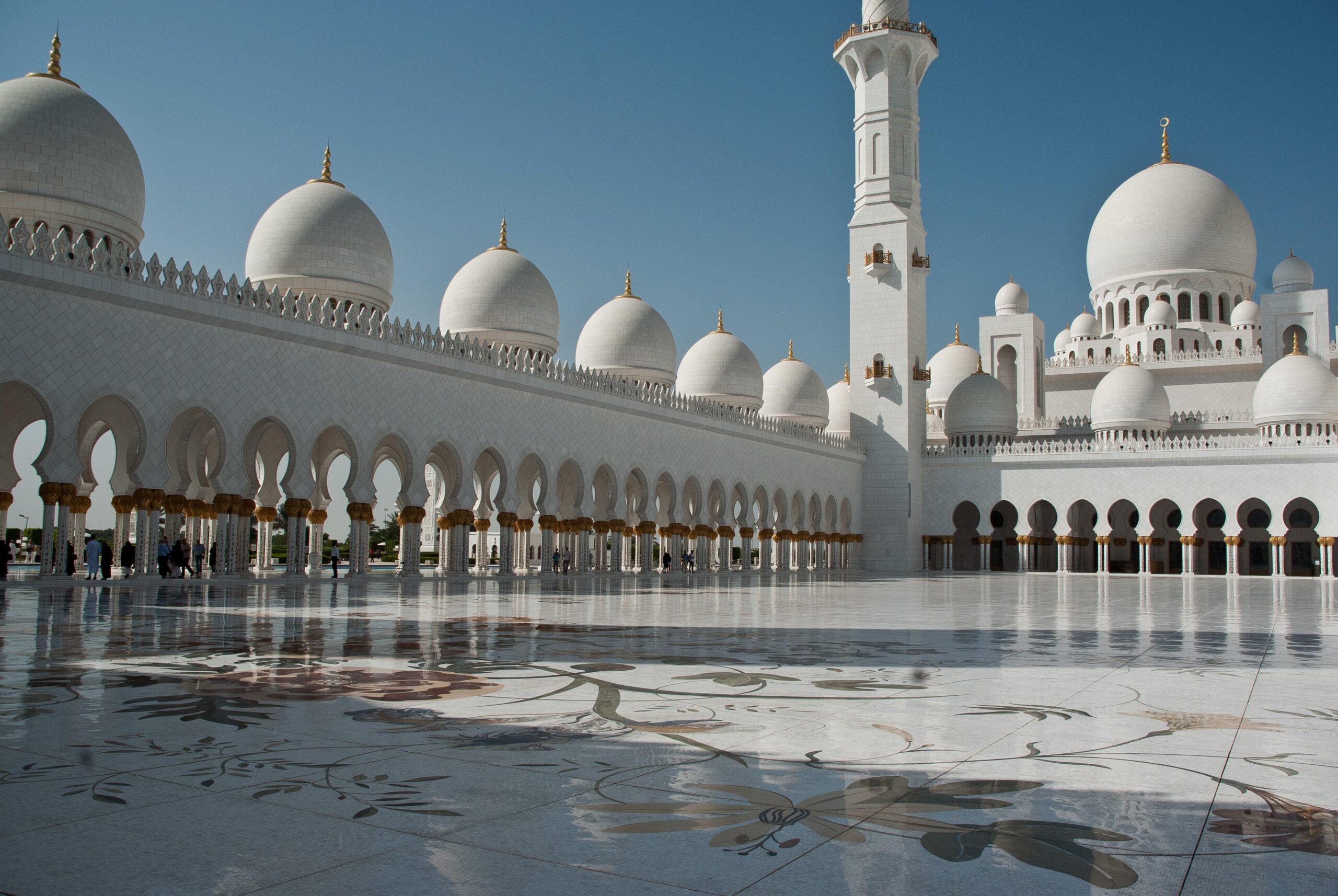
Comprising Jordan, Lebanon, Israel, Palestine, and Syria, the Levant is a cultural and spiritual treasure trove. In Jerusalem, sacred history comes alive across the Western Wall, Dome of the Rock, and Church of the Holy Sepulchre. Jordan offers the awe of Petra and the surreal buoyancy of the Dead Sea, while Lebanon blends Roman ruins and rugged coastline with vibrant Beirut life. Despite challenges, Syria’s ancient heritage cities like Damascus and Aleppo still echo with global significance.
-
Jerusalem
-
Amman
-
Beirut
-
Damascus
The Arabian Peninsula
Opulence, Origins & Open Skies
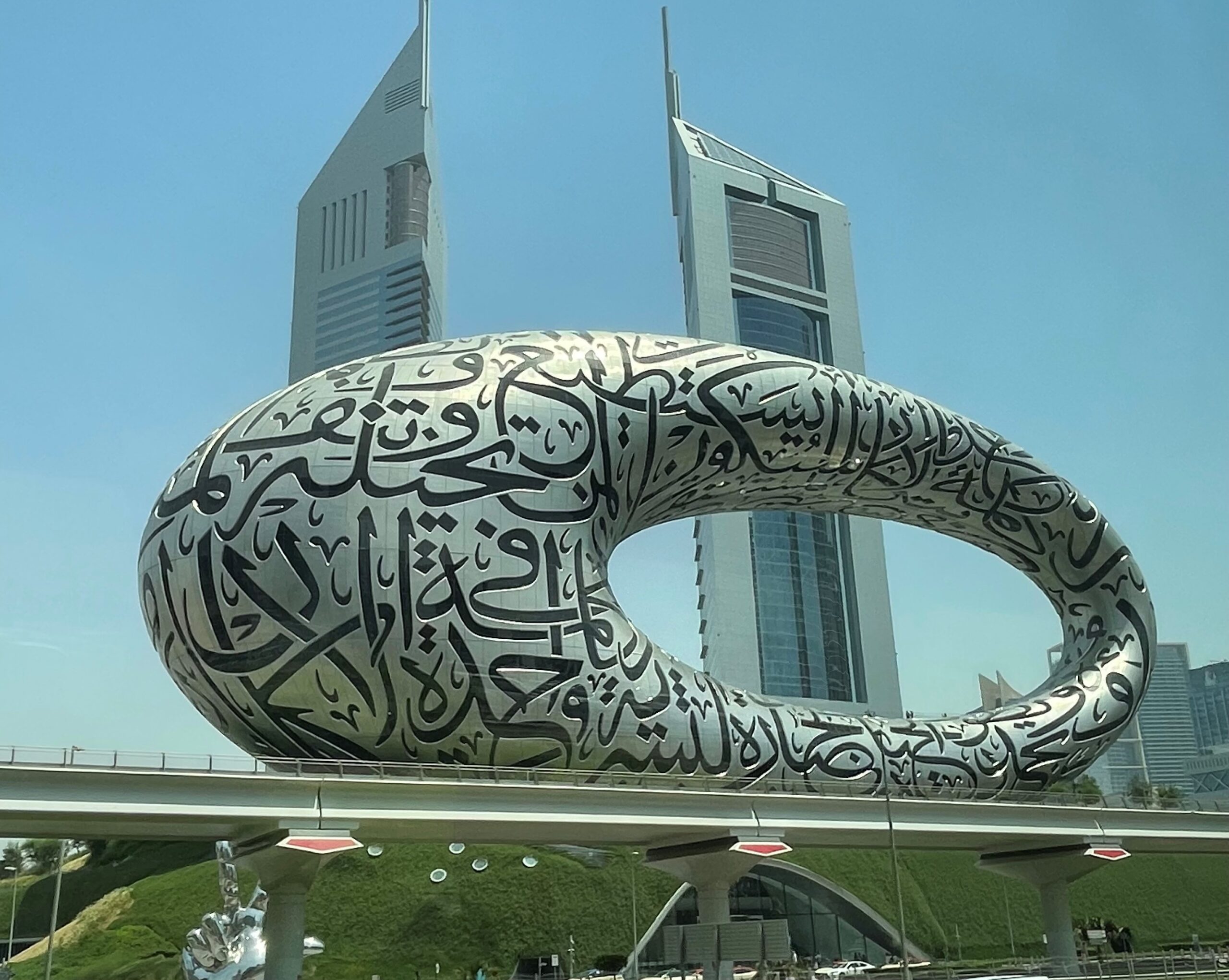
Spanning United Arab Emirates, Saudi Arabia, Oman, Qatar, Bahrain, Kuwait, and Yemen, the Arabian Peninsula is where golden sands meet gleaming skylines. Dubai and Doha redefine modern luxury, while Oman enchants with coastal cliffs, frankincense trails, and old-world forts. Saudi Arabia, long closed to leisure travelers, is unveiling its ancient tombs, desert wonders, and Islamic heritage to the world. From dune bashing to dates and camel caravans, the peninsula pulses with contrast.
Major Cities:
-
Dubai
-
Abu Dhabi
-
Riyadh
-
Doha
-
Muscat
-
Manama
-
Kuwait City
Mesopotamia
Where Civilization Began
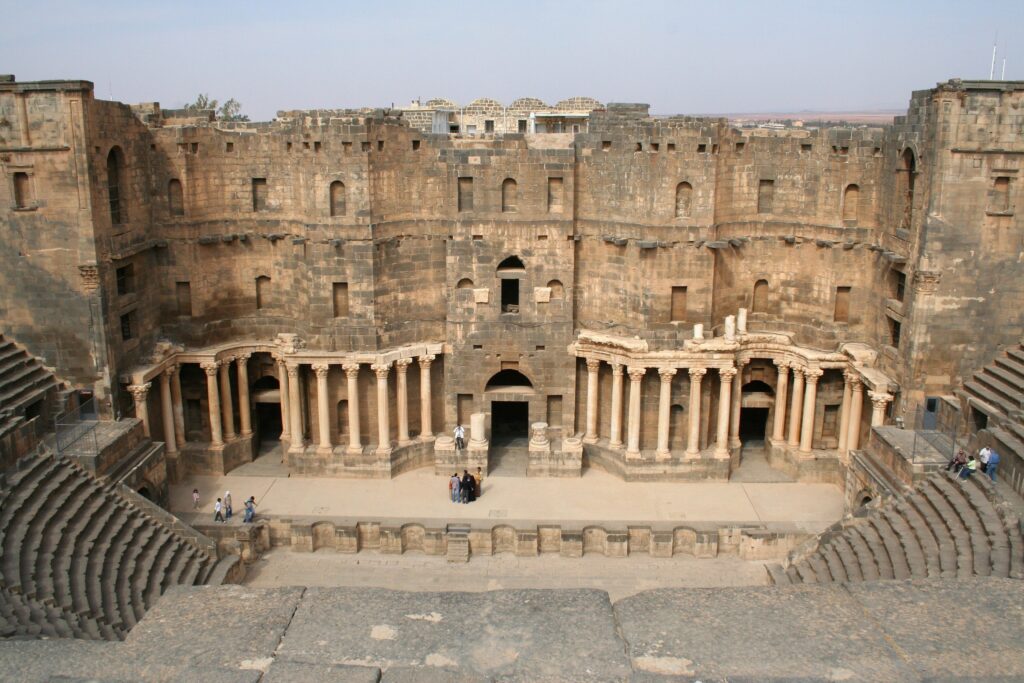
Covering Iraq and parts of Syria and southeastern Turkey, this region—once known as the Fertile Crescent—is where writing, cities, and law were born. In Iraq, echoes of Babylon and Sumer remain amid the nation’s modern resilience. Syria’s layered past includes Roman colonnades and Crusader castles, while southeastern Turkey offers a cultural blend and gateway into the Kurdish heartland. It’s a complex region rich in origin stories.
-
Baghdad
-
Erbil
-
Aleppo
-
Diyarbakır
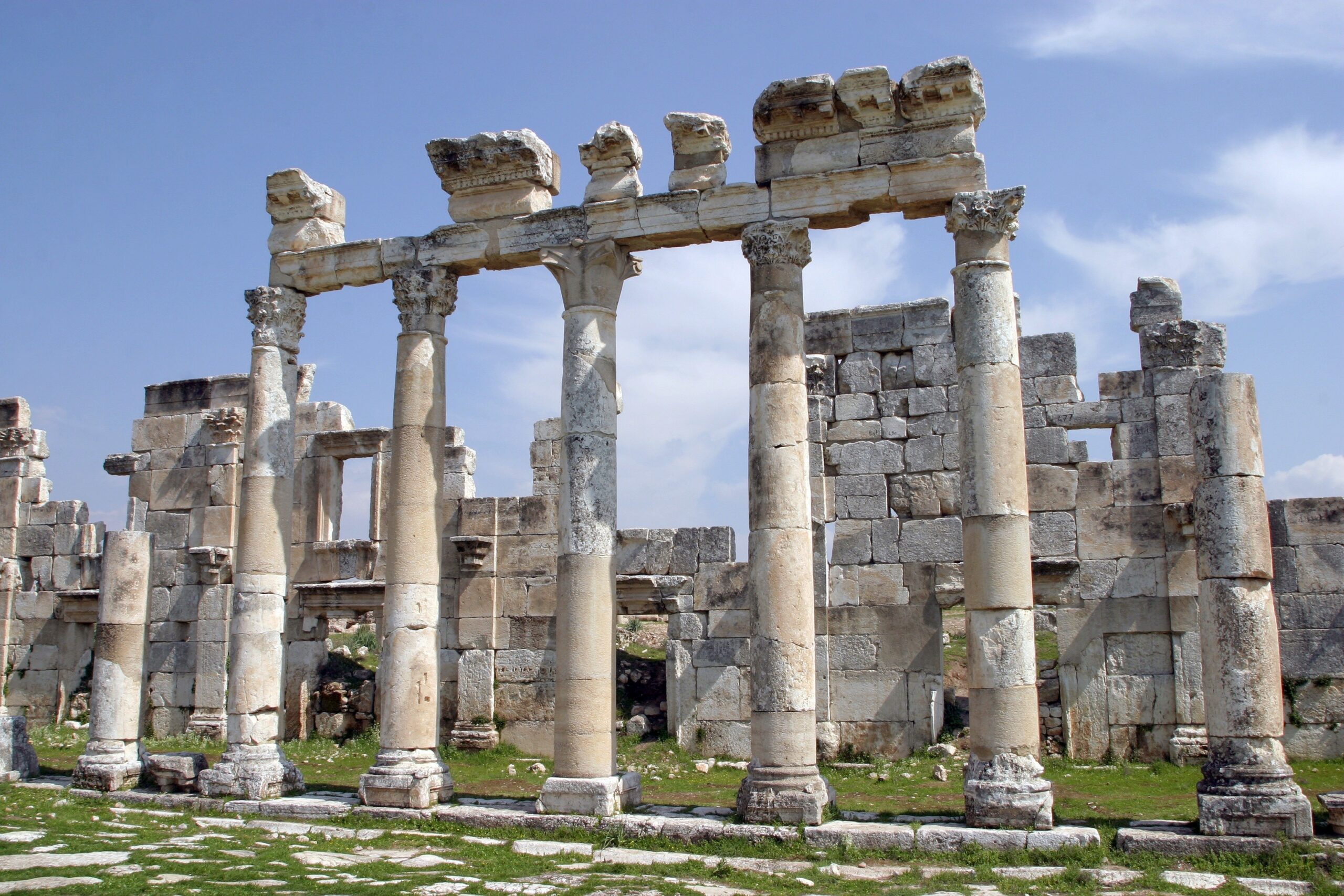
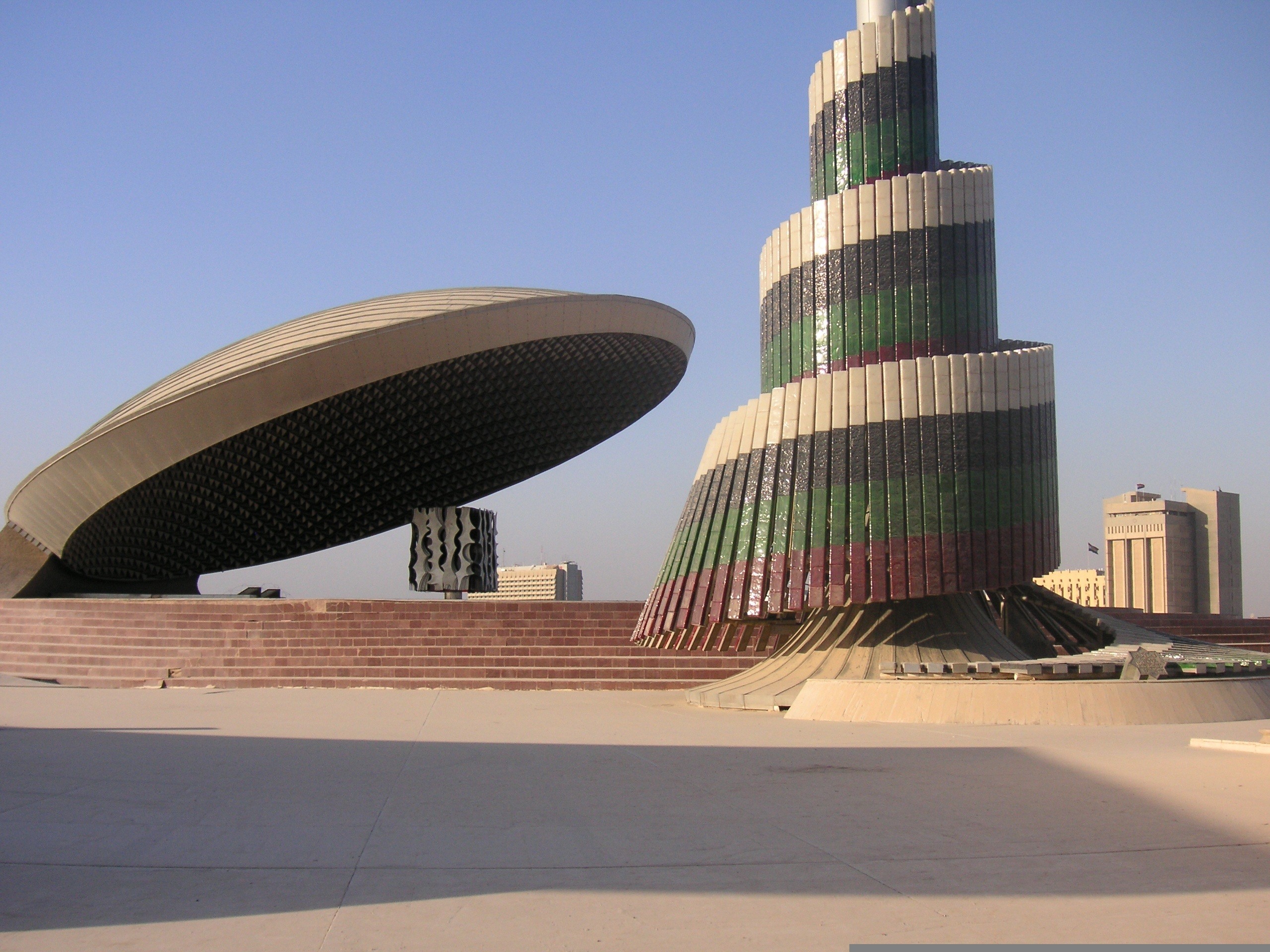
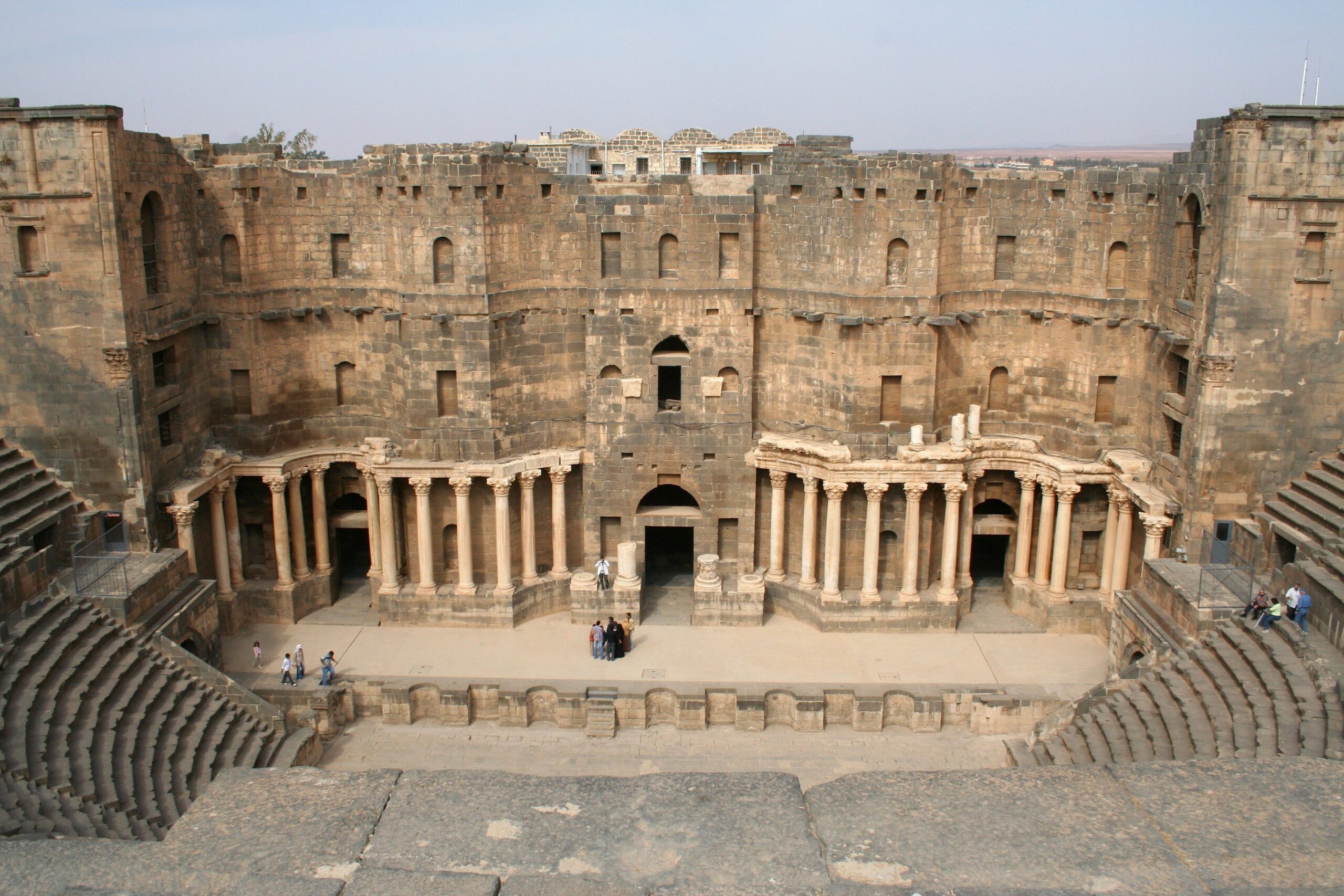
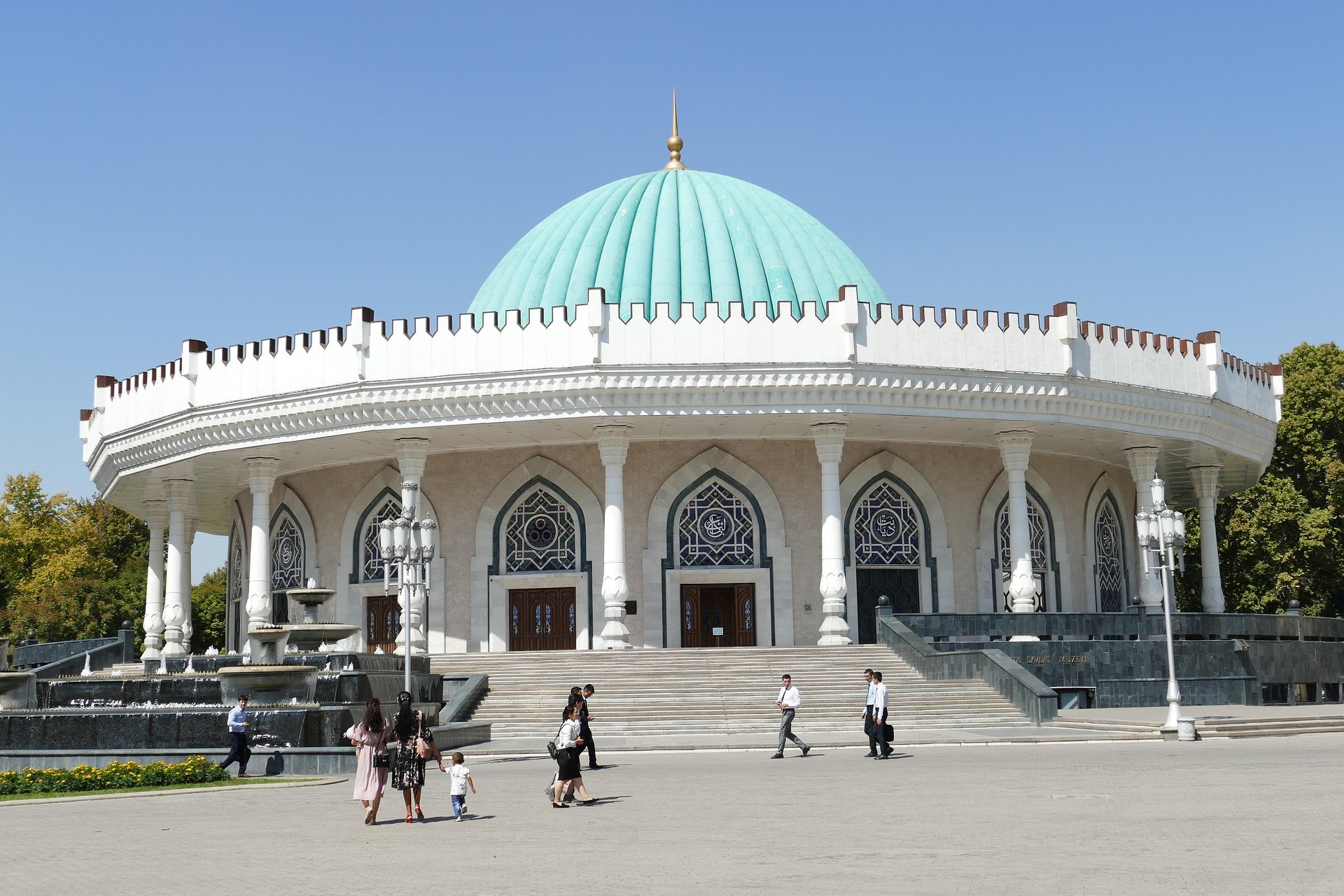
The Persian Plateau
Persia’s Poetic Legacy
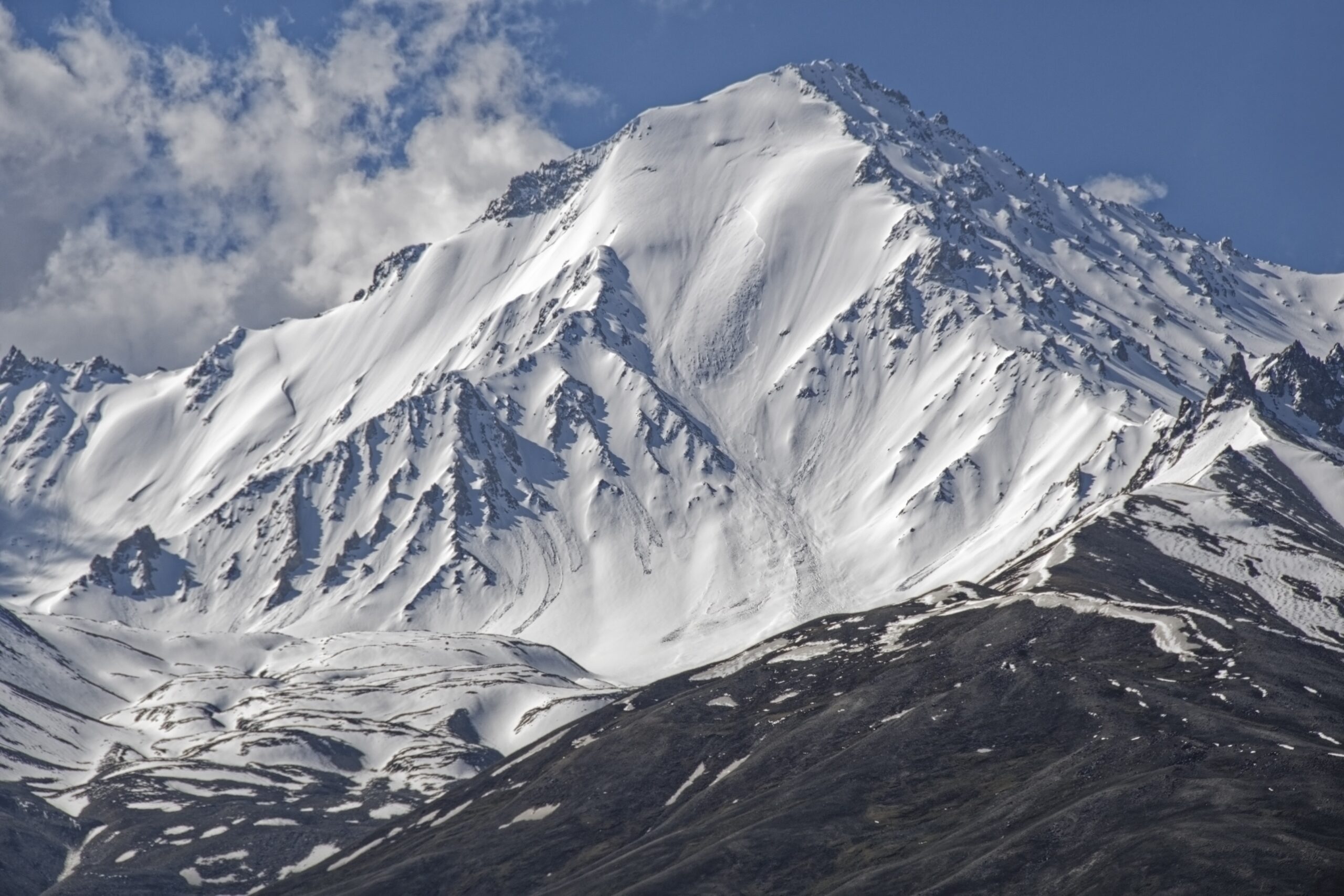
Encompassing Iran and culturally extending into Afghanistan, Tajikistan, and parts of Uzbekistan and Turkmenistan, the Persian Plateau is a realm of mountain-framed cities, exquisite Islamic architecture, and intellectual depth. Iran’s cities are open-air museums—Isfahan, Shiraz, and Yazd dazzle with color, calligraphy, and symmetry. The Persian language and poetic legacy continue across Central Asia, especially in Tajikistan and parts of historic Silk Road cities like Samarkand. Here, every detail—tilework, gardens, even silence—speaks of timeless grace and refined beauty.
-
Tehran
-
Isfahan
-
Shiraz
-
Yazd
-
Mashhad
-
Dushanbe
-
Herat
-
Samarkand
North Africa
The MENA Connection
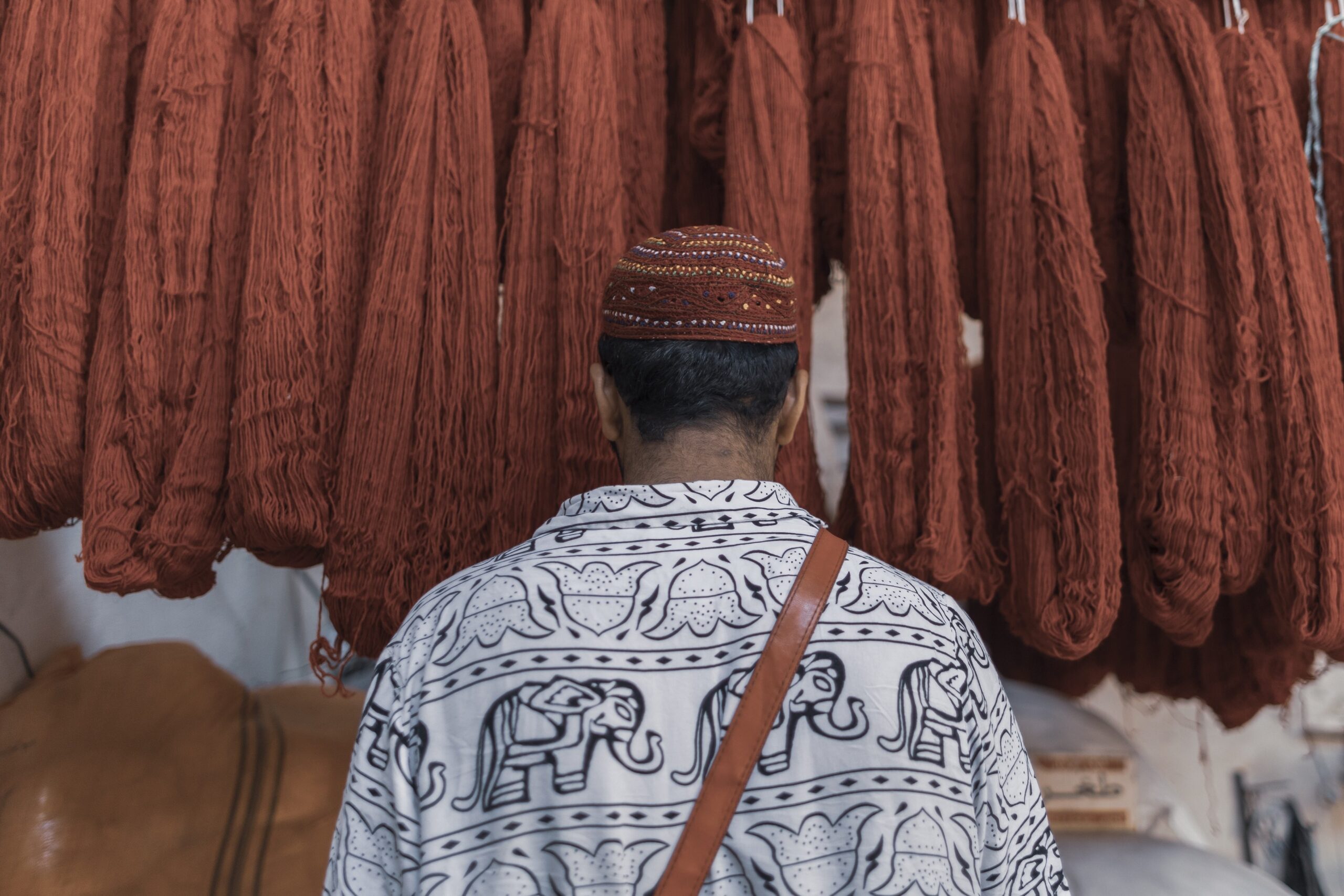
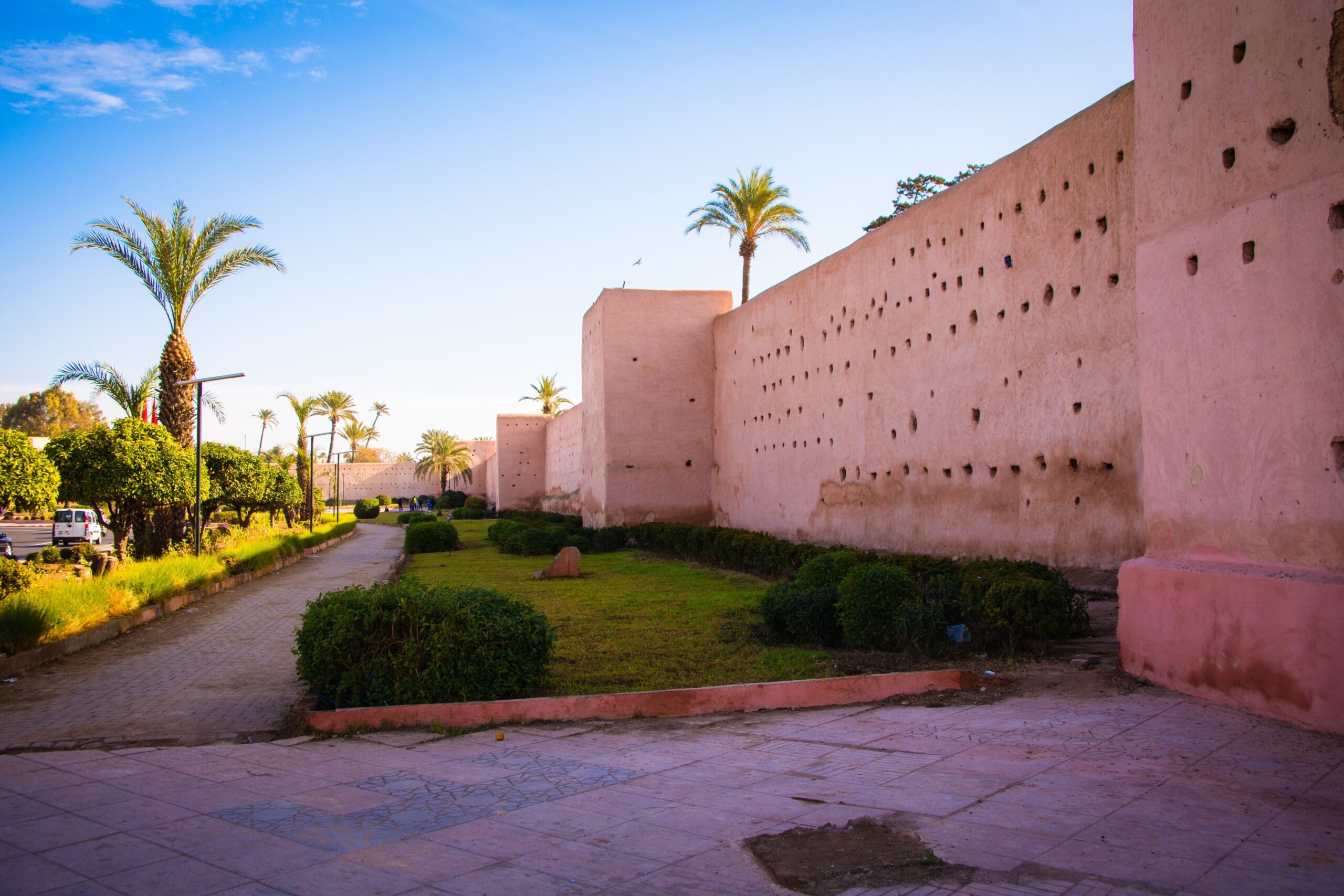
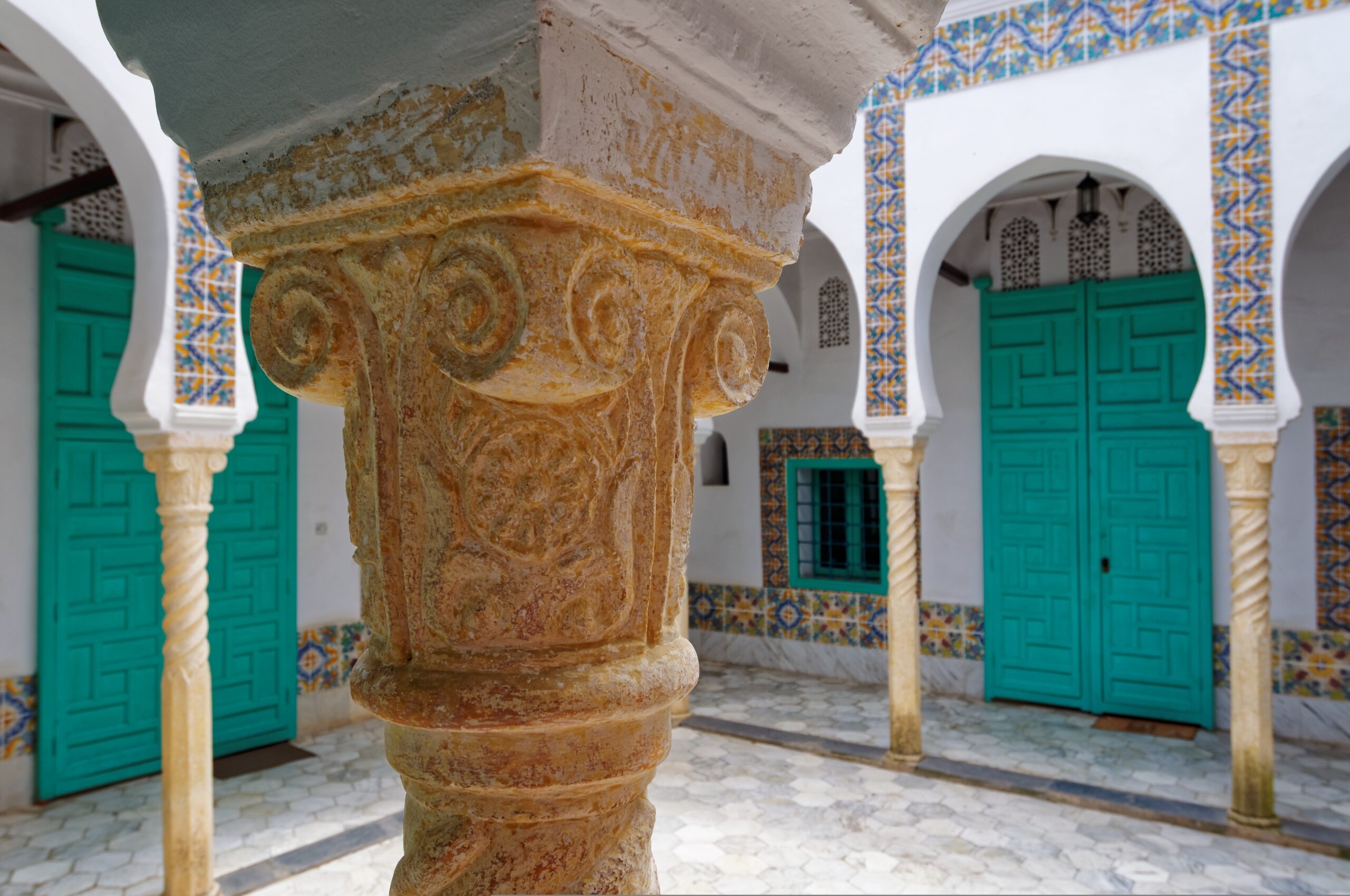
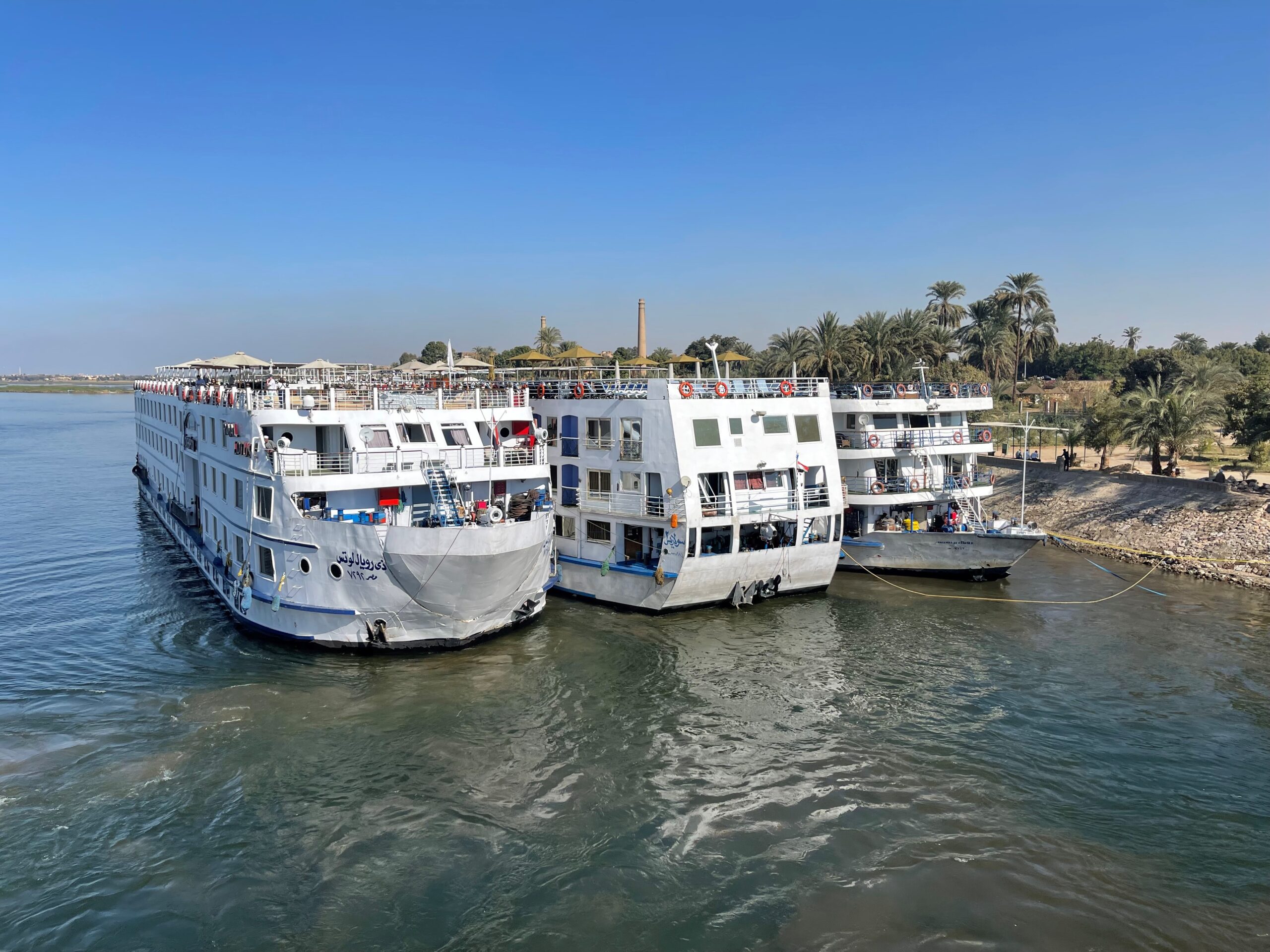
Though part of the African continent, Egypt, Morocco, Tunisia, Algeria, and Libya are often included in the Middle East through shared religion, language, and history. Egypt’s ancient wonders stretch from the pyramids to the temples of Luxor. Morocco enchants with its medinas, riads, and mountain kasbahs. Tunisia and Algeria add Roman ruins and Mediterranean flavor, while Libya holds immense historical significance yet awaits safe rediscovery. This region adds color and continuity to the Middle Eastern narrative.
-
Cairo
-
Marrakech
-
Tunis
-
Algiers
-
Tripoli
Travel Tips for Exploring the Middle East
-
Best Time to Visit: October to April offers ideal weather for most of the region, especially desert areas and the Gulf.
-
Transportation: Ride-hailing apps and taxis are common in cities. Flights are the most efficient way to cover long distances between countries.
-
Cultural Etiquette: Dress modestly, especially near mosques or in conservative areas. Always ask before photographing people.
-
Currency: Most countries have their own currency (e.g., AED, SAR, JOD). Credit cards are widely accepted in cities, but cash is essential in more remote areas.
-
Safety: Political climates can vary widely by country and region. Be sure to check official travel advisories from your government before visiting—especially for countries like Syria, Yemen, Iran, and Iraq, which remain under Do Not Travel advisories. That said, most tourism-friendly destinations across the Middle East are welcoming, secure, and proud to share their culture with visitors.
Begin Your Middle Eastern Journey
From sacred cities to starlit deserts, the Middle East invites you into a living story—layered with legacy, tradition, and awe.
Let Elite Globetrotters craft your bespoke journey through this captivating region where ancient civilizations and modern luxuries meet in breathtaking harmony.