
Best Experienced Slowly
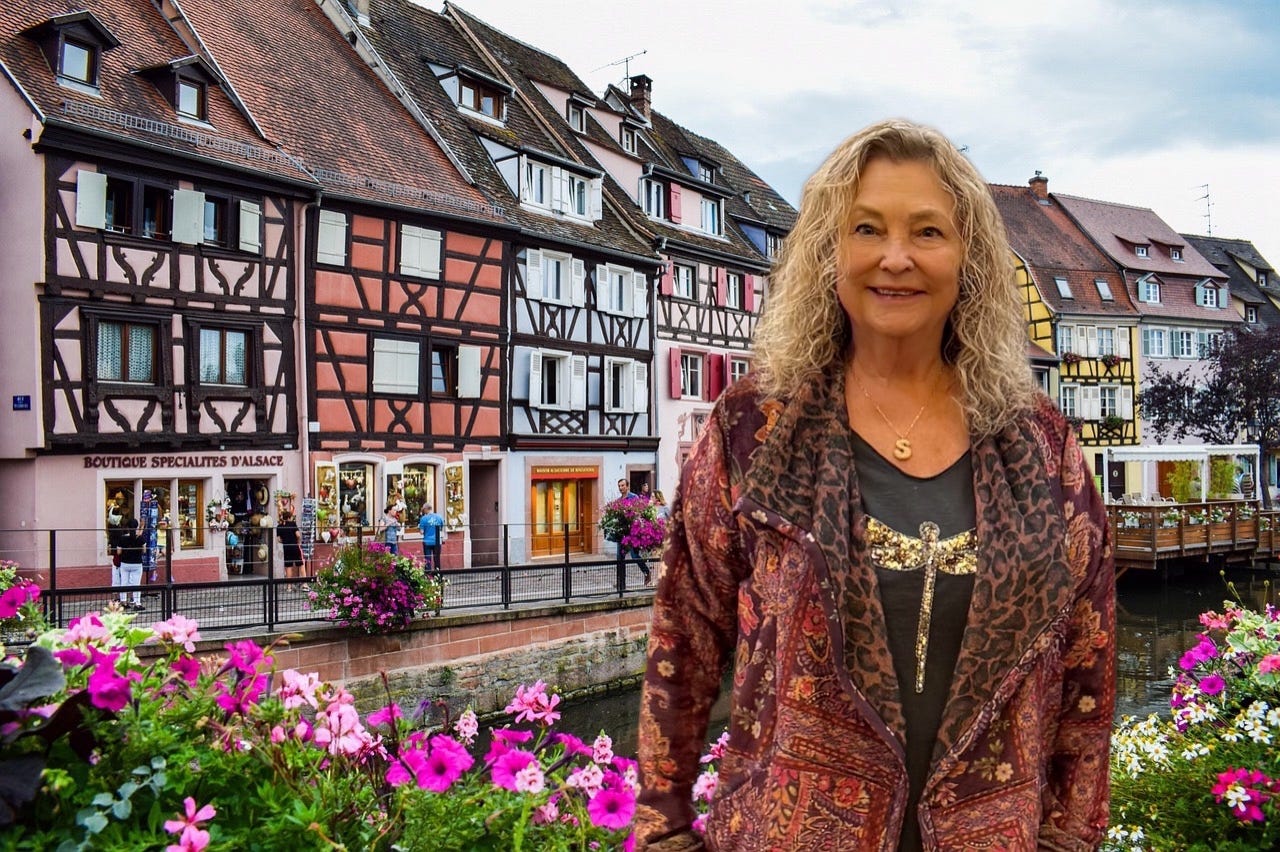
I first saw photos of Colmar years ago — half-timbered houses wrapped in flowers, canals reflecting pastel façades, streets that looked almost too perfect to be real. I remember thinking, I have to see this in person.
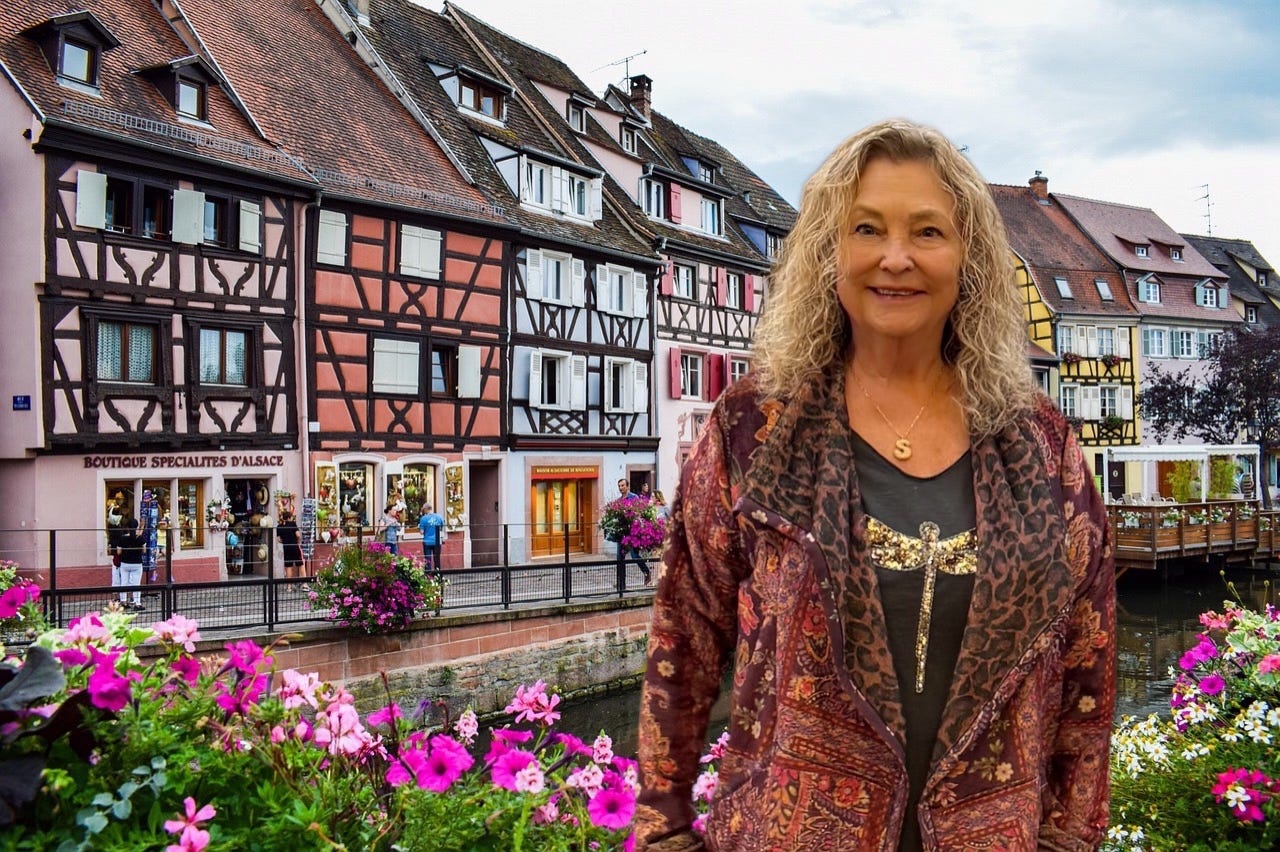
So when a business trip brought us to Paris, we did what I always encourage travelers to do: we took a side trip. One easy train ride later, we crossed into Alsace — and I knew immediately this region would stay with me.
Alsace isn’t just a destination — it’s a cultural conversation. Long contested between France and Germany and finally returned to France after World War II, the region never lost the imprint of either side. Instead, it absorbed both. Here, French elegance and German practicality coexist effortlessly — in architecture, language, food, and daily life. You might meet someone named Jacques Schmidt, enjoy sauerkraut alongside foie gras, and sip crisp Riesling one moment and a perfectly poured beer the next. Nothing feels forced. It simply is.
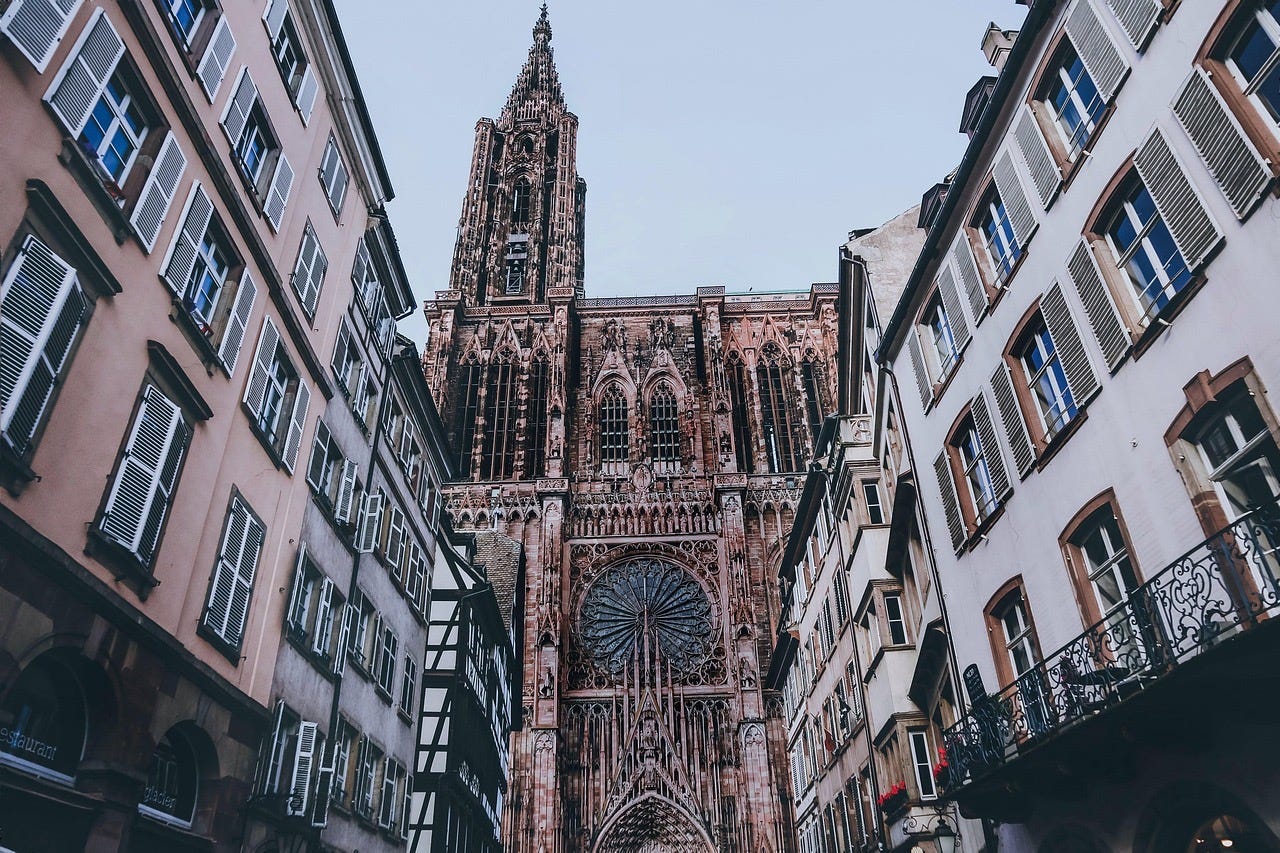
Arriving by train into Strasbourg felt like the perfect introduction — elegant, calm, and unhurried. The cathedral dominates the skyline, canals weave through Petite France, and the city’s role as home to the European Parliament gives it an international rhythm without diminishing its Alsatian soul.
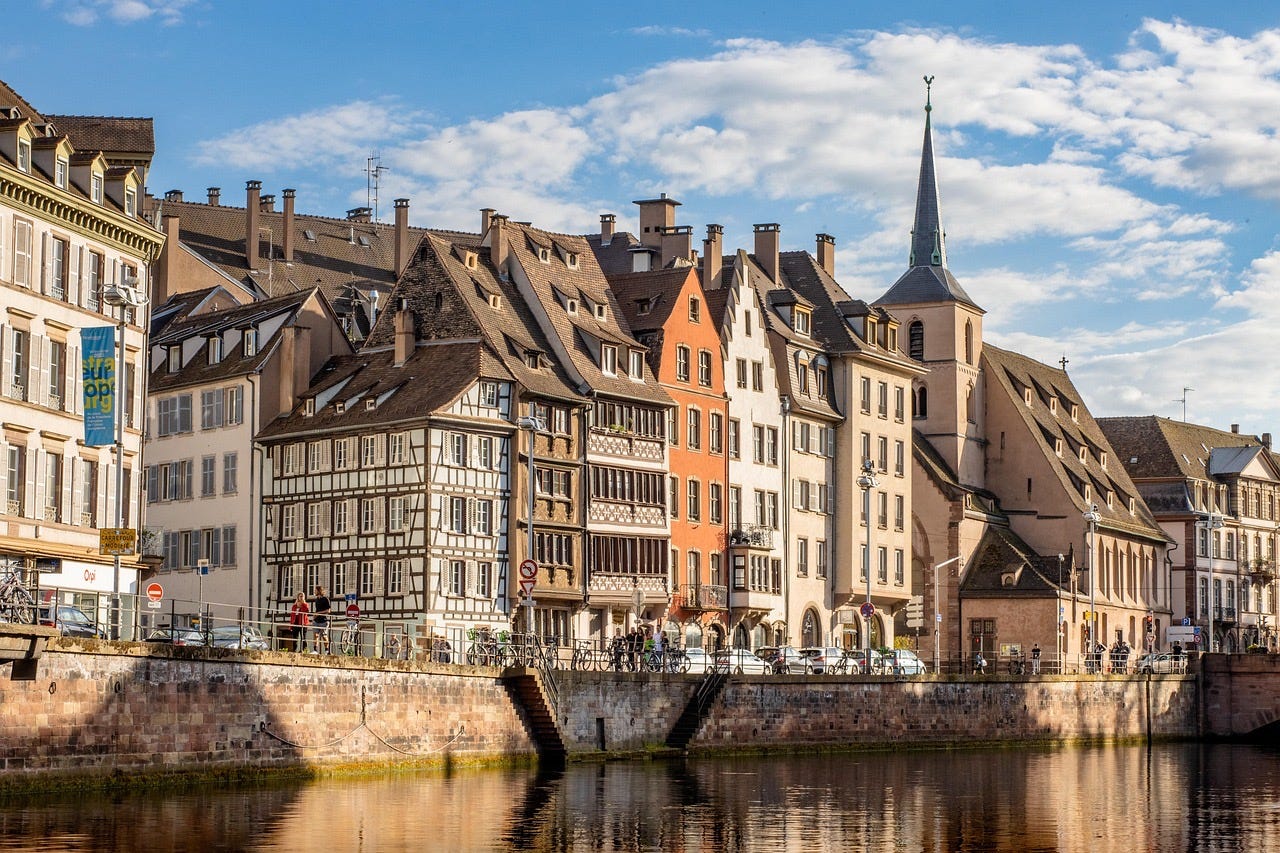
We stayed in the historic center and explored entirely on foot. The day drifted by in the best way — wandering cobblestone streets, lingering over café lunches, settling into long dinners that stretched later than planned. Strasbourg feels both grand and intimate, confident without being showy. One night was enough to set the tone, but we could easily have stayed longer.
The next morning, we picked up a car and headed south. Almost immediately, the city gave way to vineyards, rolling hills, and villages that felt lifted from another century.
Colmar: The Heart of the Route
If Strasbourg is the gateway, Colmar is the soul.
Making Colmar our base for exploring the Alsace Wine Route was effortless and deeply rewarding. The town reveals itself slowly — canals slipping past timbered houses, flower boxes still blooming even at harvest time, streets that invite wandering without purpose.
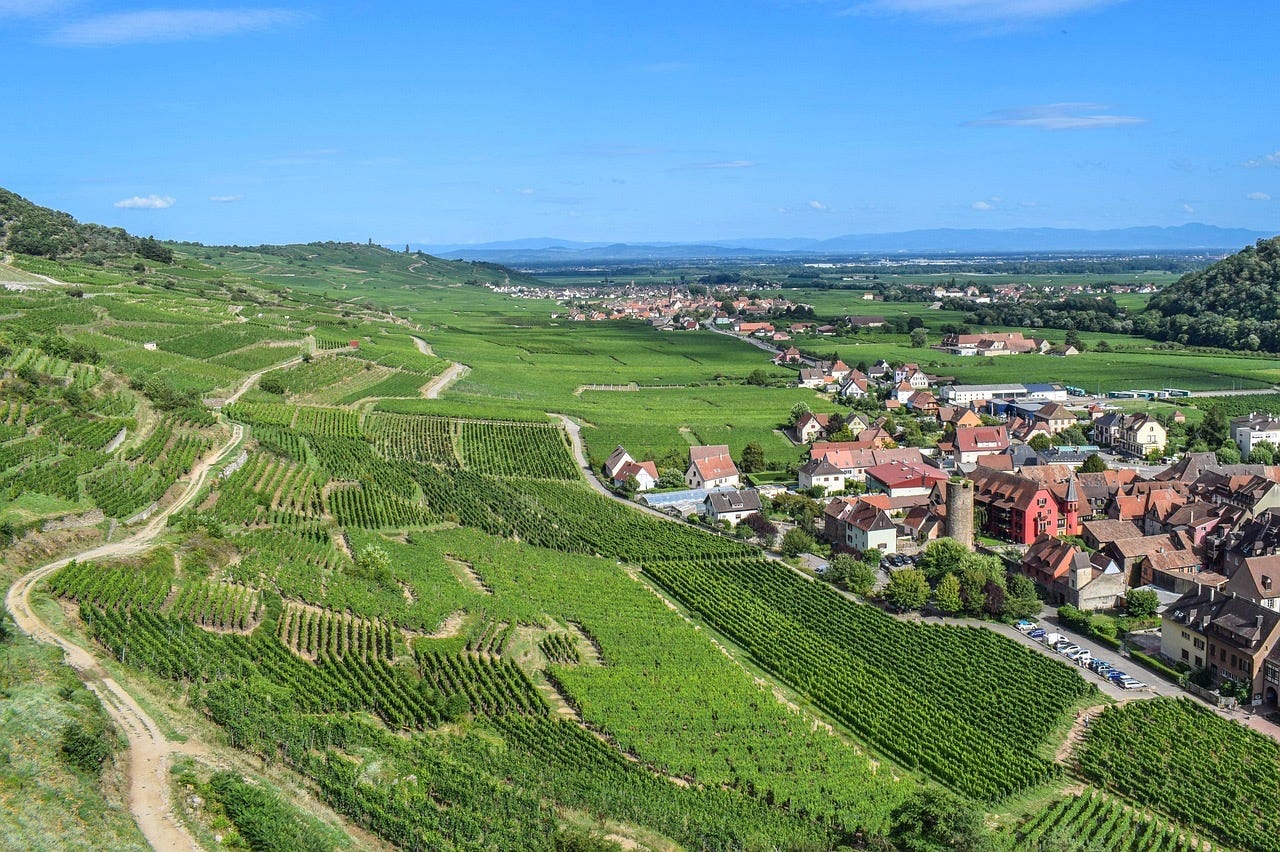
There’s a reason Colmar feels almost unreal. Framed by the Rhine River and the Vosges Mountains, it’s often said to have inspired Beauty and the Beast. Yet what makes it special isn’t perfection — it’s how lived-in it feels. Locals shop for groceries beneath centuries-old façades, children bike past flower-draped houses, and evenings arrive quietly, without spectacle.
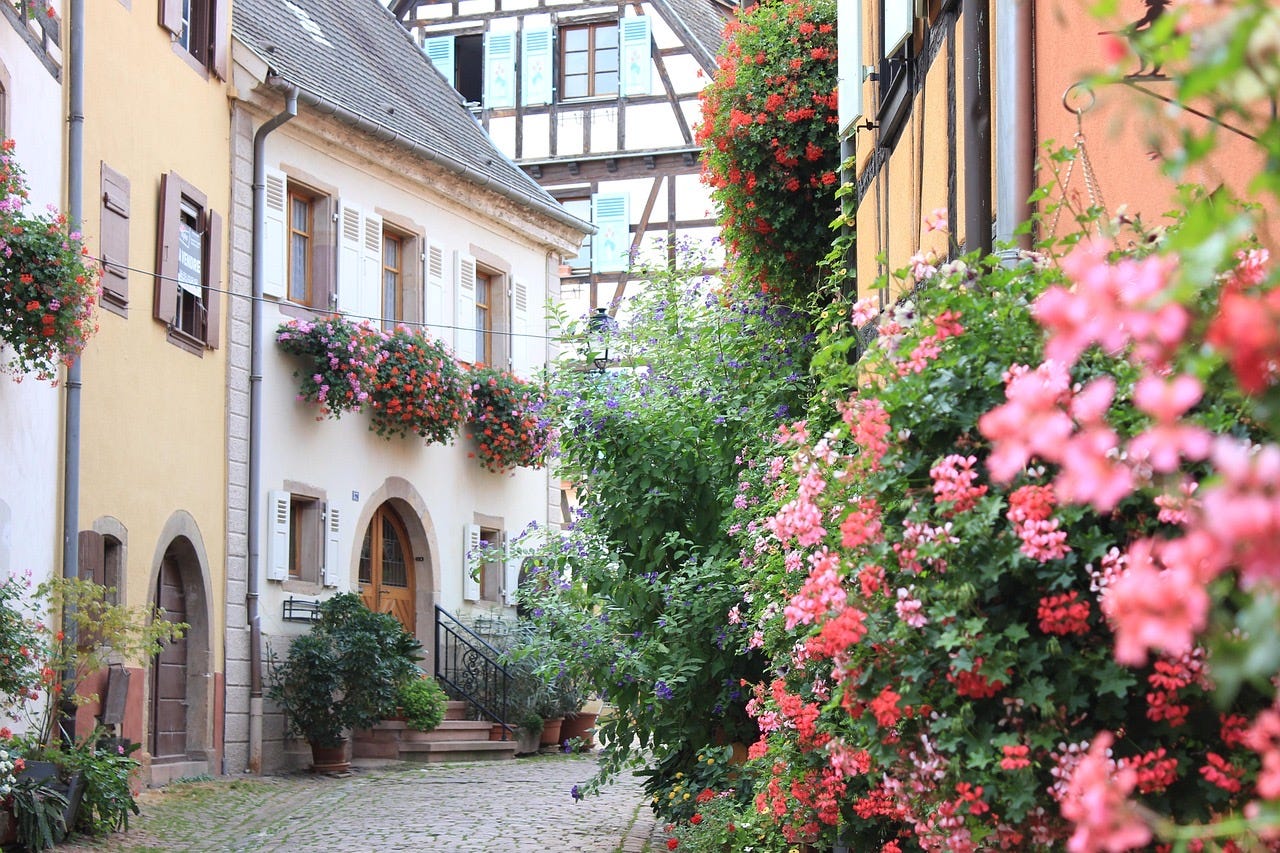
What takes your breath away are the flowers. Geraniums in deep reds and soft pinks spill from nearly every window box, petunias and begonias cascade over balconies and bridges, and vines soften timbered beams that have stood for centuries. They’re not placed for show; they’re cared for daily — watered, trimmed, and renewed — as part of ordinary life. In Colmar, beauty isn’t a moment. It’s maintenance. It’s habit. It’s pride.
One detail I loved discovering: Colmar is the birthplace of Frédéric Auguste Bartholdi, creator of the Statue of Liberty. Small nods to Lady Liberty appear throughout town — subtle reminders that this storybook place has quietly shaped the wider world.
Colmar doesn’t try to impress you.
It simply invites you in — and stays with you.
How to Tour Alsace
Exploring Alsace is part of the adventure, with options to match every travel style. Bike or electric bike through vineyards and storybook villages for a slow, immersive experience. Rent a car for total freedom and spontaneous stops. Choose a private driver for a relaxed, personalized day with wine tastings along the way. Join a small group tour for expert guidance and shared discoveries. Or take a bus tour for an easy, stress-free way to see the highlights. Each offers a different rhythm — yet all reveal Alsace’s undeniable charm.
Let the Villages Lead You
Beyond Colmar, the wine route unfolds village by village, each with its own rhythm and personality. This is not a region to rush — let the villages set the pace.
Eguisheim feels almost meditative. Voted one of the most beautiful villages in France, it offers a peaceful retreat with concentric circles of brightly colored homes winding around a former castle. Façades overflow with flowers, cellar doors open directly onto cobblestones, and tastings feel personal — winemakers speak of harvest with stained hands and quiet pride, families already preparing for the weeks ahead.
Kaysersberg grounds its beauty in history. Nestled in a green valley and watched over by the ruins of its castle, the village is the birthplace of Nobel laureate Albert Schweitzer. A pink-sandstone bridge crosses the river, stone walls rise toward the hills above, and everything here feels earned rather than preserved. There’s a sense of depth — stories layered into stone, landscape, and time.
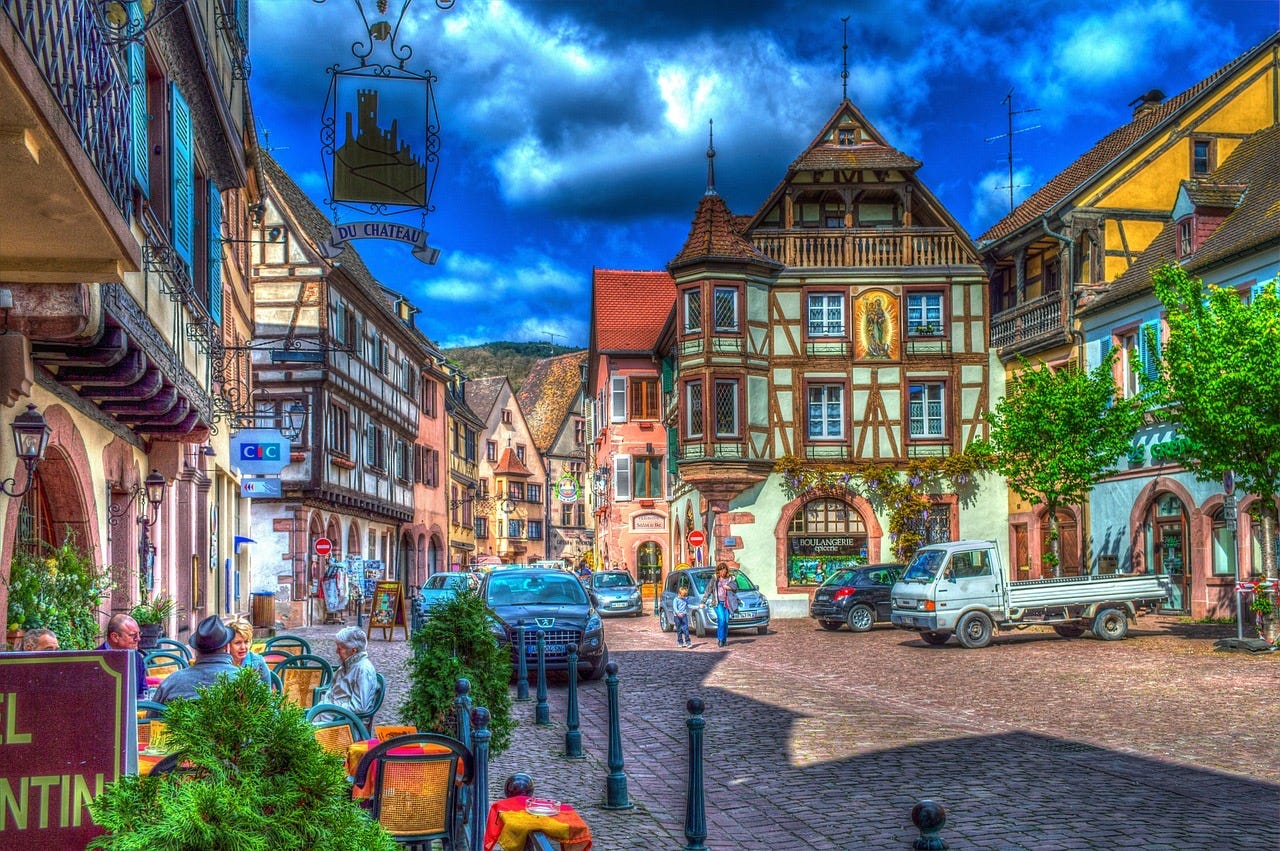
Riquewihr delivers the classic Alsace image: fortified walls, narrow medieval lanes, vineyards wrapping the village tightly. Visit late in the day or stay overnight and the magic shifts — lantern-lit streets, quiet wine taverns, and the rare feeling of stepping back in time.
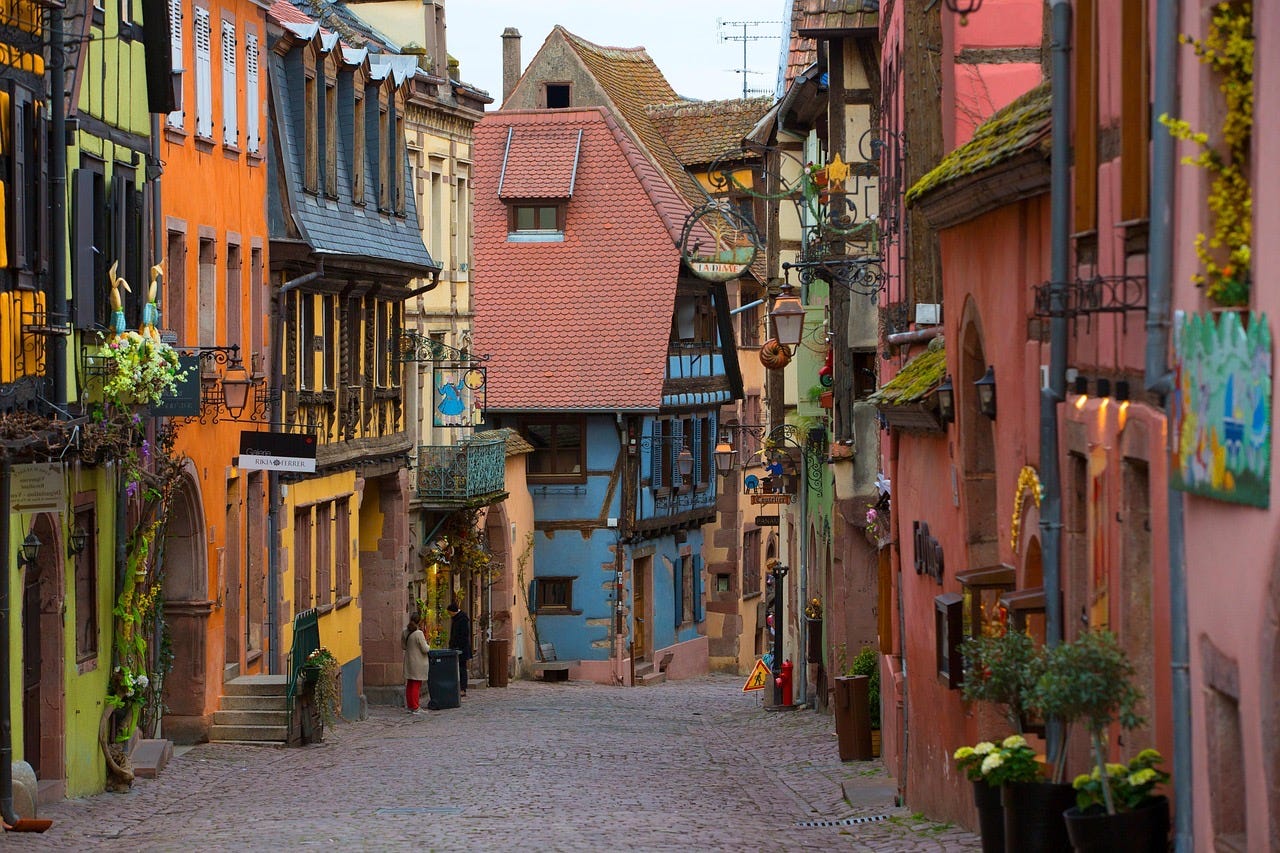
Farther along the route, Ribeauvillé brings a livelier energy, with a vibrant wine scene and a charming mix of shops, restaurants, and traditional homes, all watched over by castle ruins rising above the town. Tastings linger here, evenings stretch, and wine culture feels woven into daily life rather than staged for visitors.
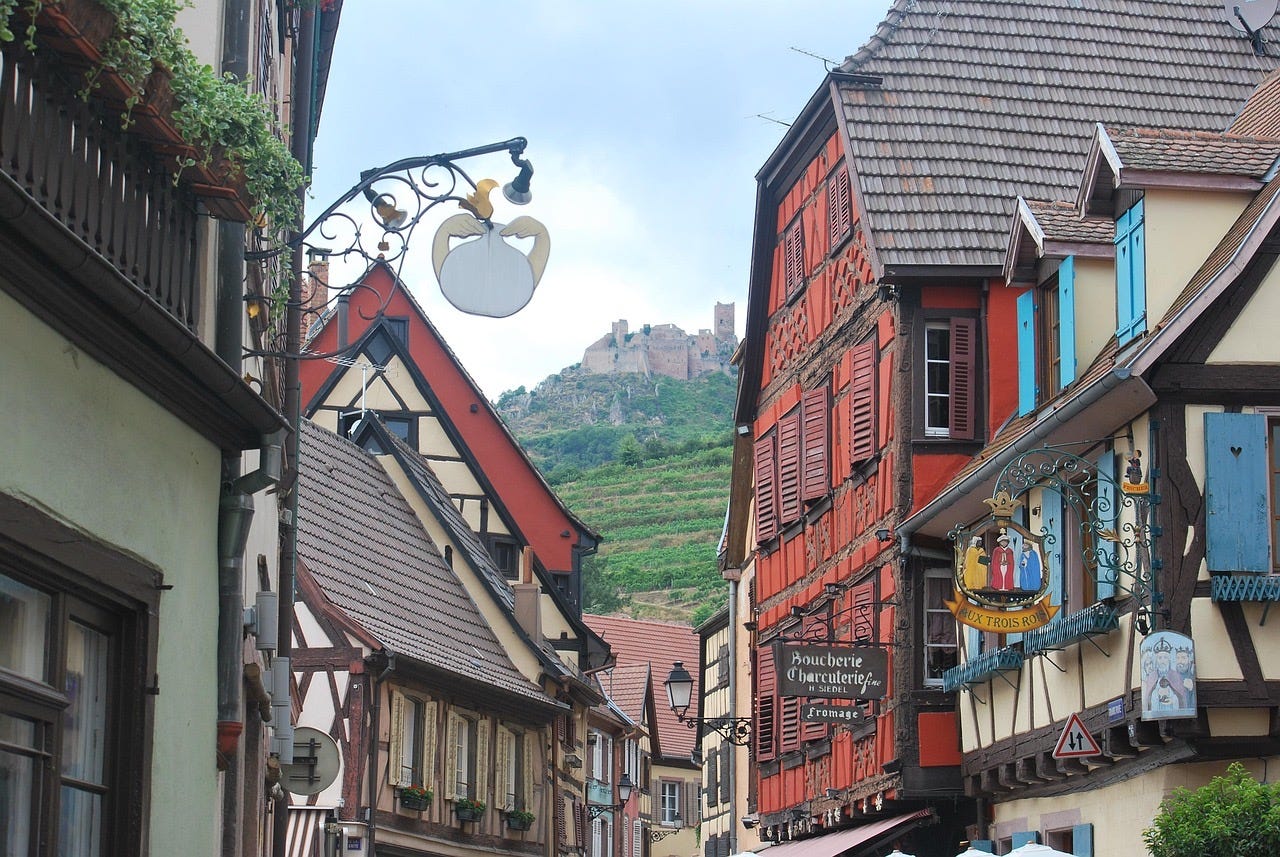
In the southern part of the wine route, Guebwiller and nearby Thann offer fewer crowds and excellent value. Less polished and less visited, these towns reward travelers who linger — with local wineries, mountain trails, and a slower pace that feels refreshingly authentic.
Each village feels distinct — not curated, not repetitive.
That’s the beauty of Alsace.
An Overview of Alsace Wines
Alsace is one of France’s most distinctive wine regions, celebrated for aromatic white wines, strong ties to terroir, and deep family traditions. There are over 1,000 wine producers across the region, many of them small, family-run domaines that have been making wine for generations — often centuries.
Grand Cru in Alsace — What It Means
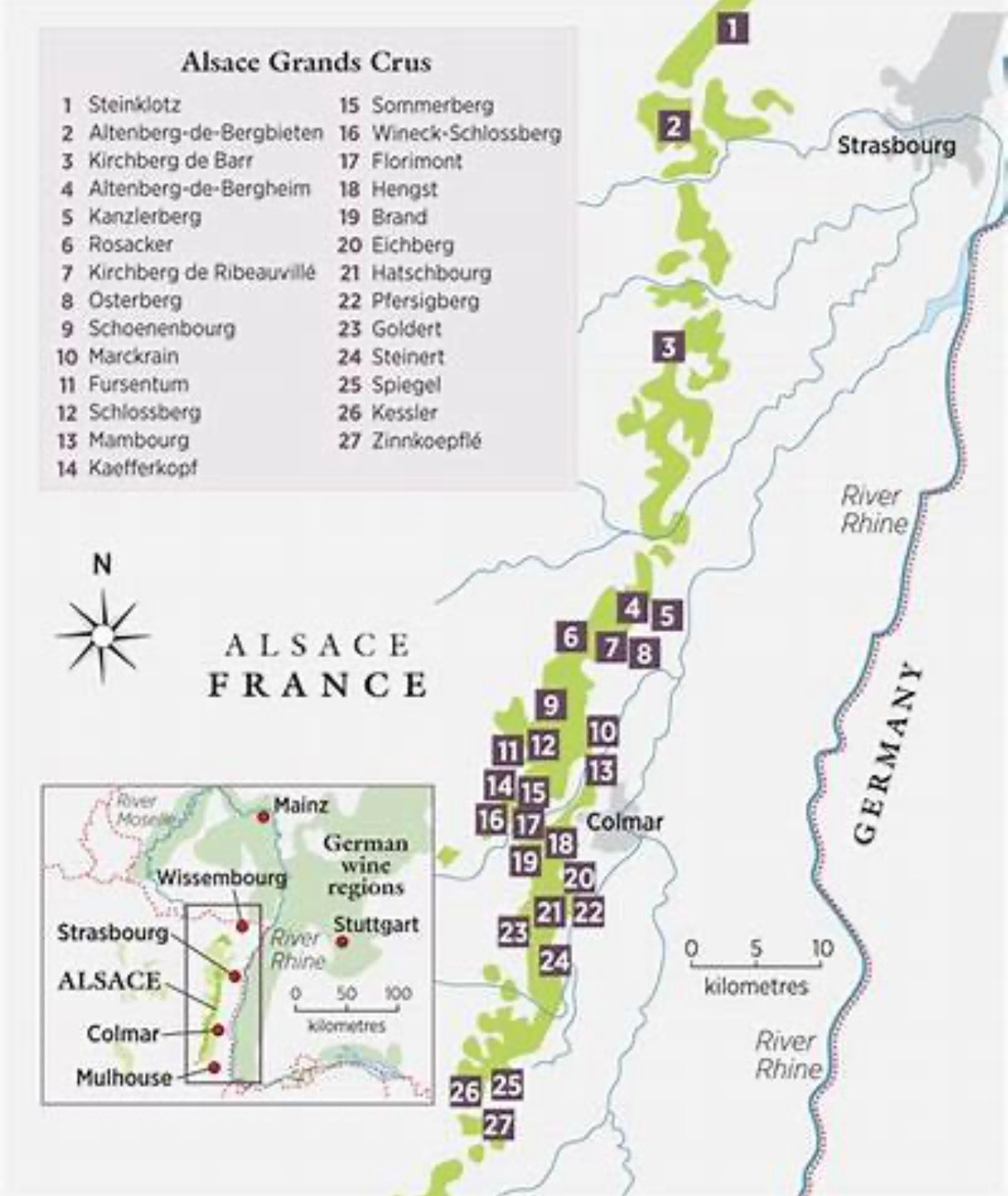
Alsace has 51 officially designated Grand Cru vineyards. Unlike some regions, Grand Cru here refers to the vineyard itself, not the producer. These carefully defined hillsides offer exceptional soils, exposure, and microclimates. Only certain grape varieties — most notably Riesling, Gewürztraminer, Pinot Gris, and Muscat — are typically used, resulting in wines with depth, structure, and aging potential.
Crémant d’Alsace
Alsace is also renowned for Crémant d’Alsace, its traditional-method sparkling wine. Usually dry, elegant, and refreshing, it’s made primarily from Pinot Blanc, Auxerrois, or Pinot Gris and offers remarkable quality and value.
Recommended Wineries to Visit
• Domaine Zind-Humbrecht — Turckheim
• Domaine Weinbach — Kaysersberg / Kientzheim
• Hugel & Fils — Riquewihr
• Maison Trimbach — Ribeauvillé
• Dopff au Moulin — Riquewihr
Reservations are strongly recommended, especially during peak travel seasons.
Eating Your Way Through Alsace
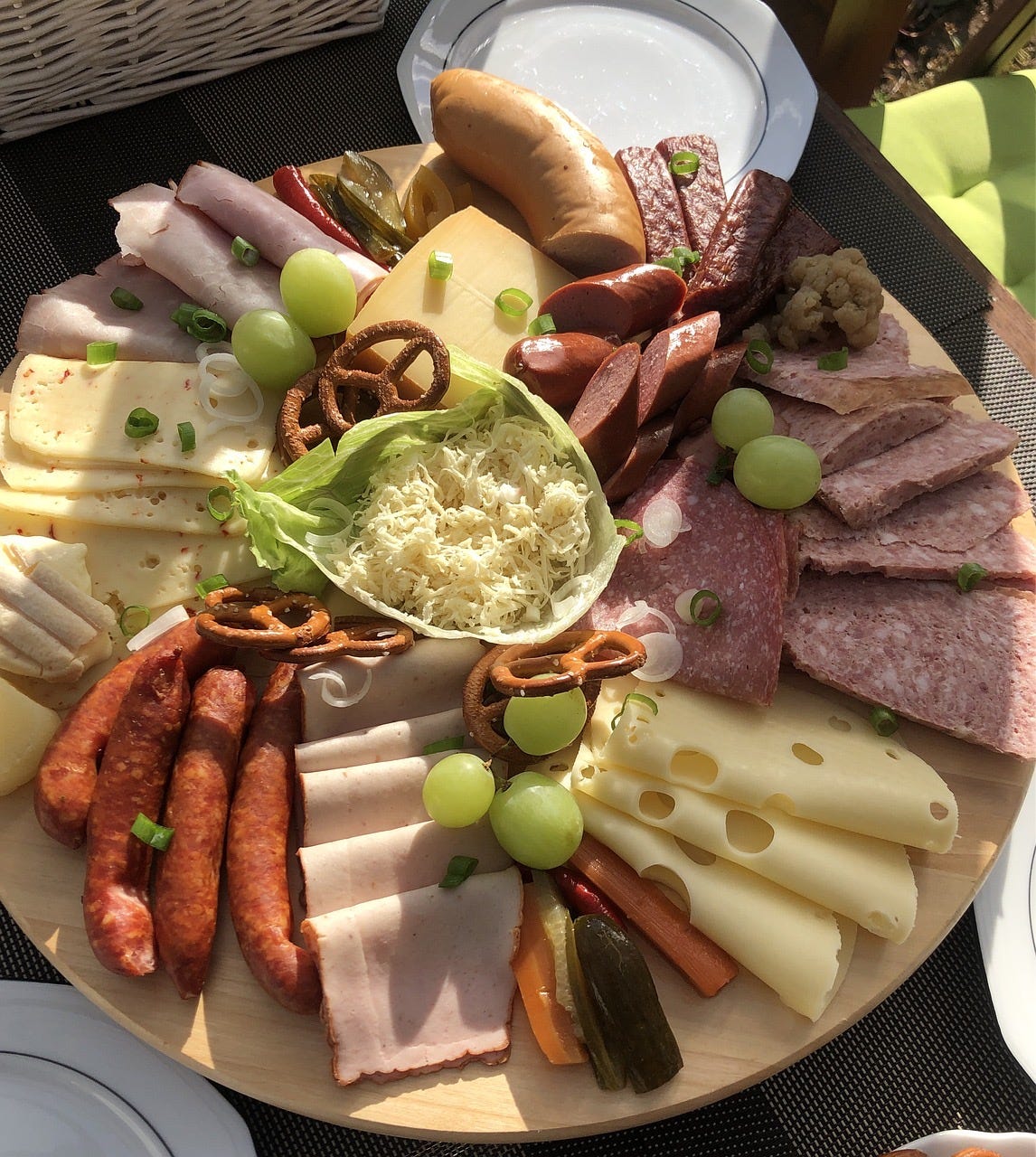
Food in Alsace is deeply comforting and rooted in tradition. Meals often begin with foie gras or rustic pâtés, followed by tarte flambée — impossibly thin dough topped with crème fraîche, onions, and lardons. Choucroute garnie arrives steaming and abundant, far more elegant than its reputation suggests.
Cheese matters here. A detour to Munster reveals where the region’s most famous cheese is still made — vineyards giving way to pasture, flavors turning earthier and richer.
Wines are inseparable from the table: crystalline Rieslings, expressive Gewürztraminers, silky Pinot Gris, food-friendly Pinot Noir, and endlessly celebratory Crémant d’Alsace. These are wines meant to be enjoyed, not analyzed.
Dining rooms feel warm and timeless.
Time disappears easily.
Why Alsace Should Be Experienced Slowly
The Alsace Wine Route isn’t meant to be conquered.
It’s meant to be followed.
With Colmar as our anchor, we let the villages set the pace — stopping when something caught our eye, lingering when conversation flowed, letting meals run long and plans loosen.
What stayed with me wasn’t just the beauty or the wine — it was the way life here is lived deliberately. Cultivating grapes. Preparing for harvest. Sharing stories.
No matter when you visit, Alsace stays with you.
Just don’t rush it — savor it.