
When you picture Antarctica, it’s usually the penguins, glaciers, and icy-blue horizons that come to mind. But behind the breathtaking beauty of this last great wilderness is a remarkable human story—one of science, stewardship, and international cooperation unlike anywhere else on Earth.
Antarctica doesn’t belong to one country—it belongs to all of us.
Governed by the Antarctic Treaty System, more than 50 countries have come together to preserve this pristine continent for peace and research. No mining, no war games, no claiming land. Just scientists, researchers, and dreamers working side by side to study our planet and protect it for future generations.
And sometimes—if you’re lucky—you get to meet them.
When the Station Crew Comes Aboard
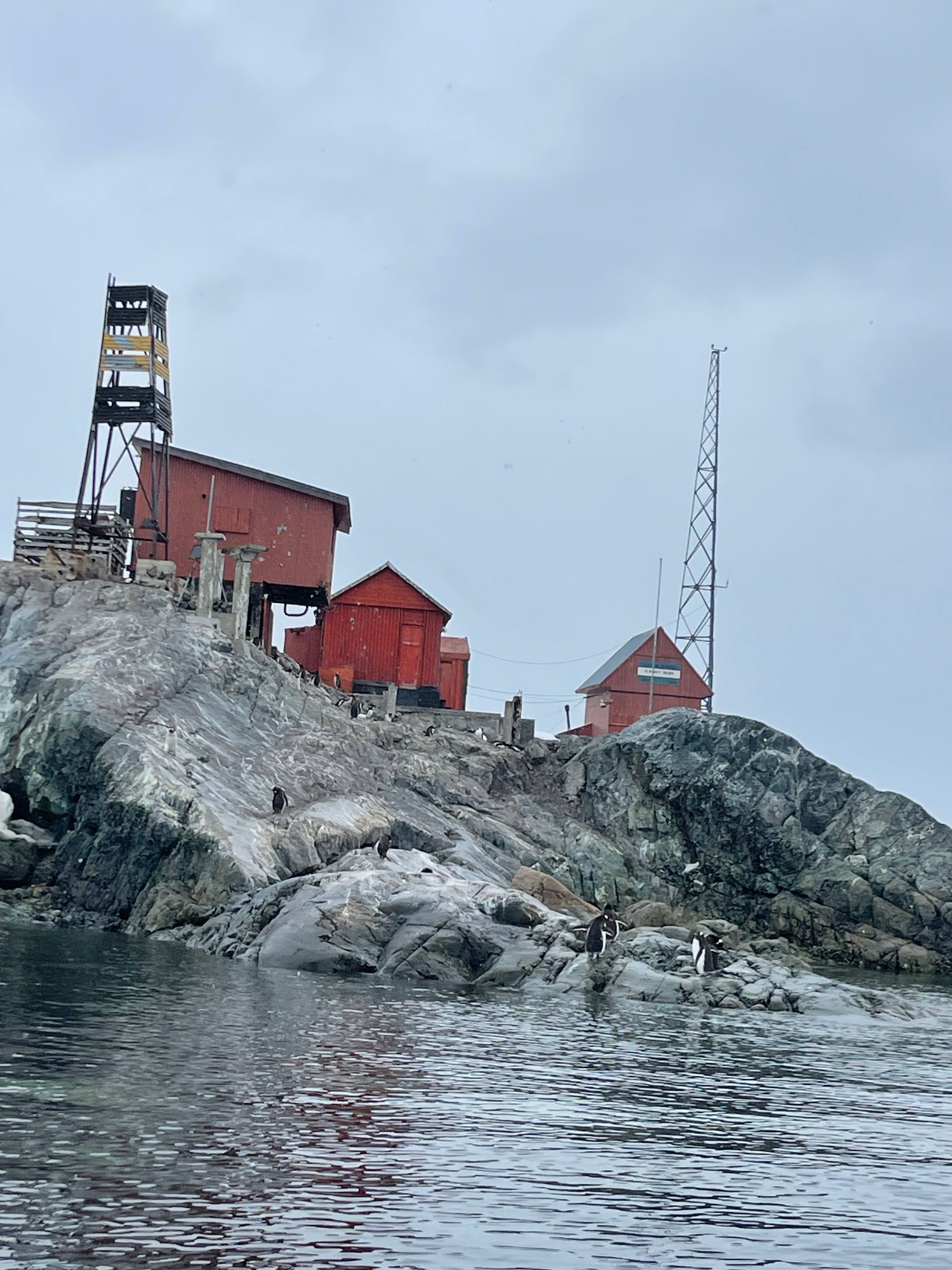
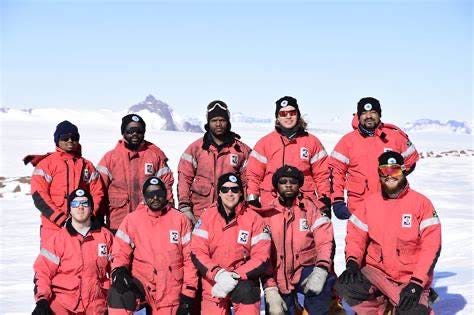
One day during your expedition cruise, your ship may dock near a research station—perhaps one operated by the U.S., Argentina, Chile, the U.K., or even Poland or South Korea. And then, something special happens: a group of real-life Antarctic researchers and workerscome aboard.
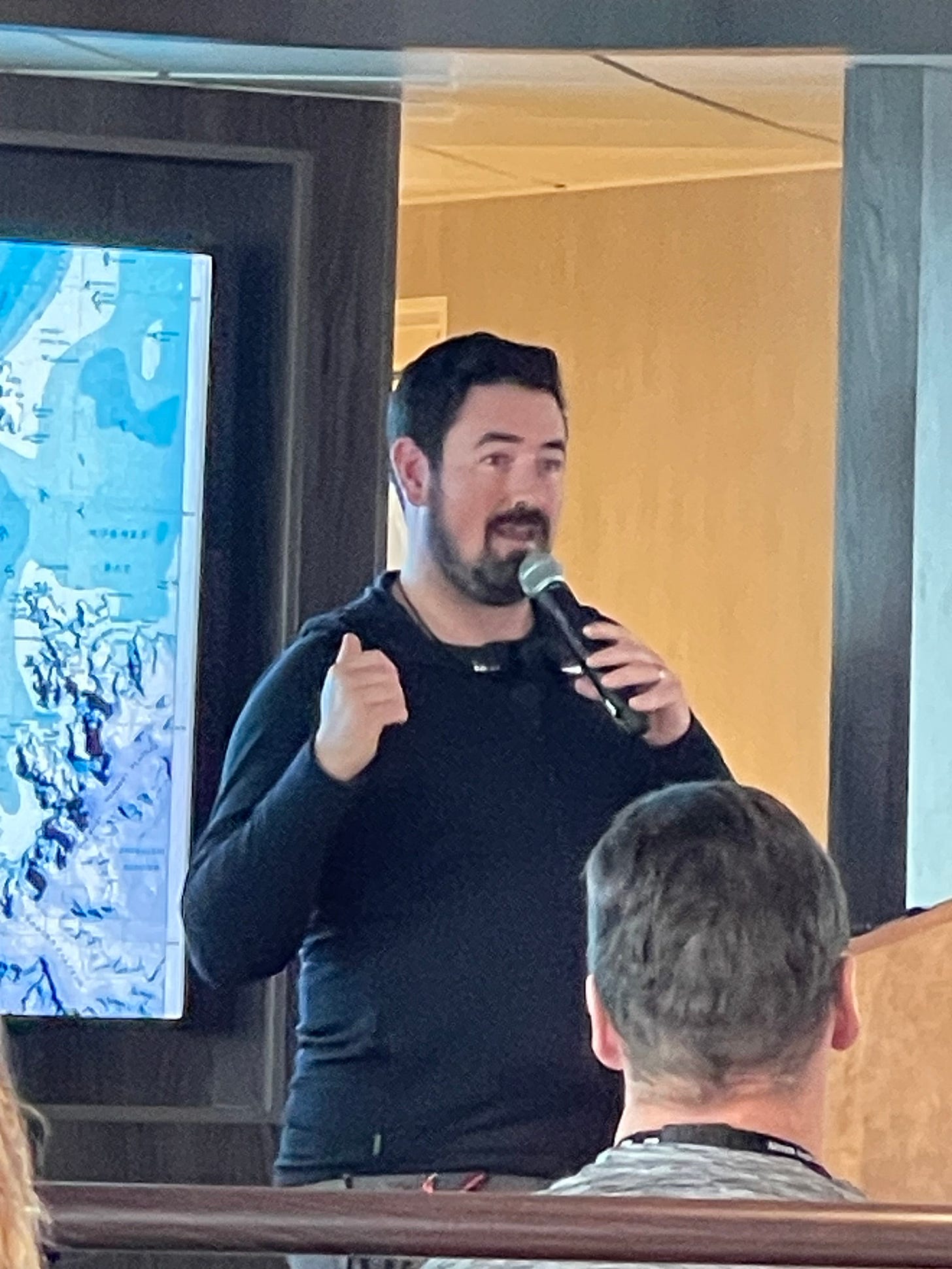
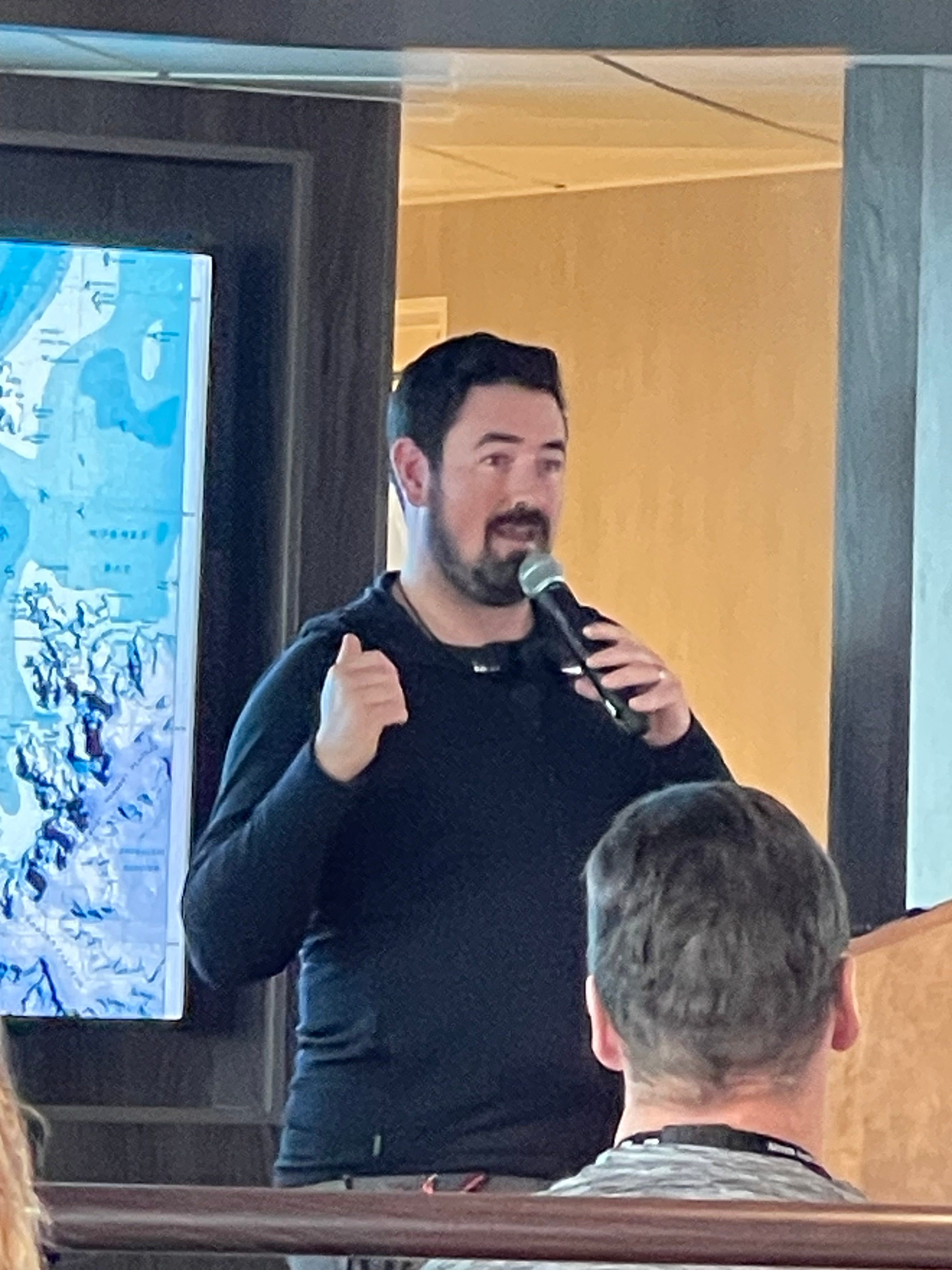
Dressed in rugged gear and full of stories, they might give a presentation on what life is really like down here—how they brave the endless daylight, the bone-deep cold, and the isolation, all in the name of science. They study everything from penguin behavior to climate change, glaciers to deep-sea creatures.
And their dedication is as inspiring as the icebergs themselves.
The World’s Coldest Pop-Up Shop
After the talk, you’ll find something both charming and completely unexpected: a little table filled with souvenirs from the base—patches, pins, hand-knit scarves, postcards, and maybe even a T-shirt or magnet stamped with the name of a station at the bottom of the Earth. I found my perfect keepsake: a pair of penguin socks. Warm, whimsical, and covered in tiny waddling friends—they were more than just a gift shop find. They were a reminder that even in the coldest place on Earth, warmth can come in the most unexpected (and adorable) ways.
The proceeds? Often they go toward small comforts for the crew or community projects at the base.
You’ll treasure that simple souvenir more than any luxury purchase—it’s not just a keepsake, it’s a piece of human connection carved into the ice.
The People Who Keep Antarctica Running
Not everyone in Antarctica is a scientist. There are mechanics, chefs, medics, communications techs, electricians, and even artists. Some spend just a few months on base. Others return year after year, called back by the silence, the camaraderie, the sense of purpose that only Antarctica can offer.
They live in small, close-knit communities. They celebrate holidays with potlucks and penguin cookies. They send home letters and wait for care packages. And they become family in the most remote place on Earth.
In a world so often divided, Antarctica is a rare place where nations unite, not for profit or power—but for preservation and discovery.
And when you meet the people who live and work there, you realize something: Antarctica isn’t empty. It’s full of stories, passion, and purpose. It’s a place where science meets soul—and where humanity shows up at its very best.