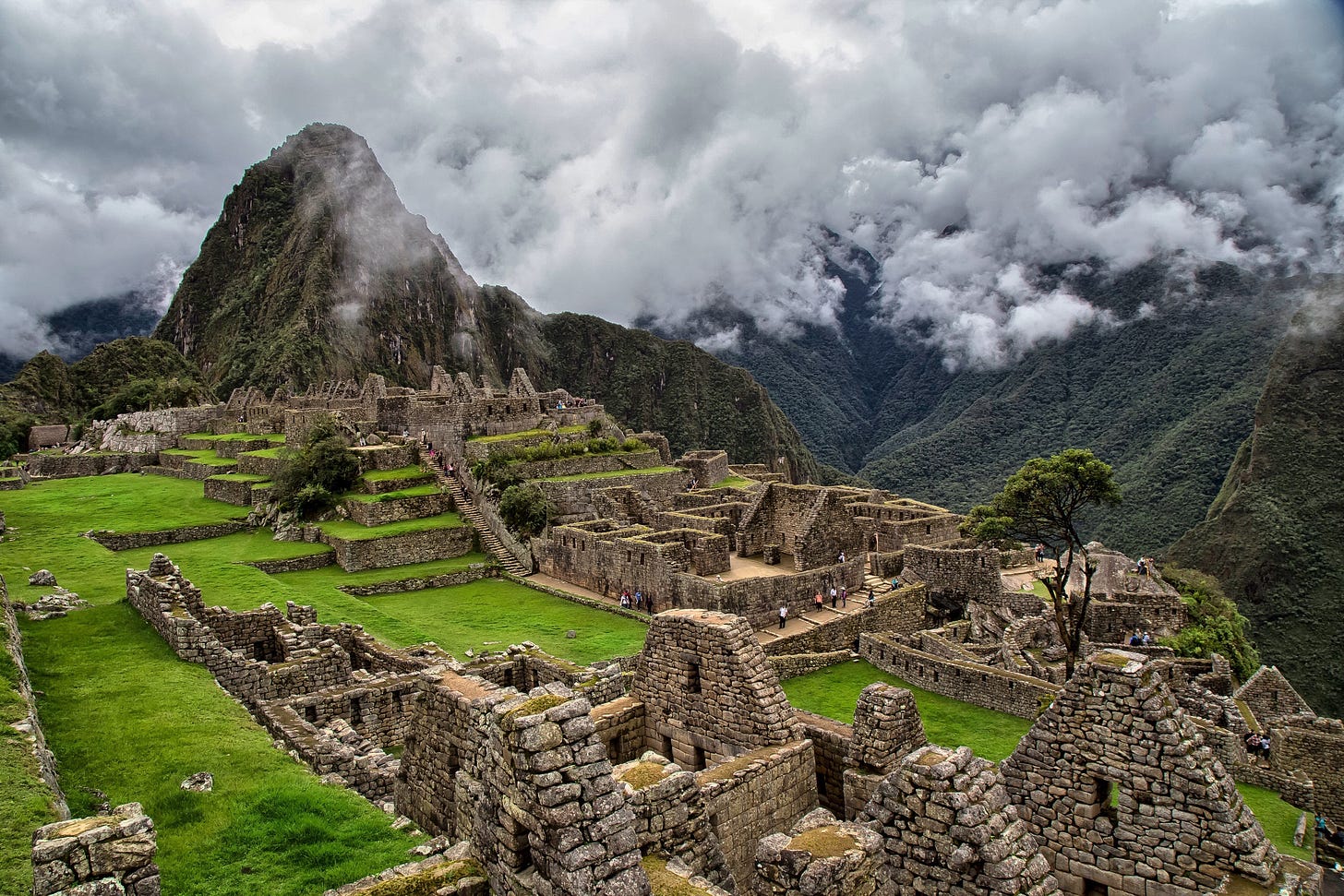
Some places call to us long before we arrive. Machu Picchu was one of those places.
This wasn’t just about checking off a bucket list item. It was about standing on sacred ground, walking the same paths carved by ancient hands, and stepping into a misty world that had lived in our imaginations for years. But getting there? That was part of the magic—through sea-kissed cities, timeworn empires, vibrant markets, and the breathtaking heights of the Andes, where every curve in the road revealed something extraordinary.
Lima: Coastal Energy Meets Colonial Majesty
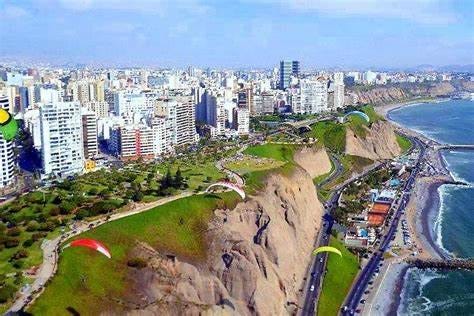
We began in Lima, Peru’s bustling capital, perched between the Pacific Ocean and centuries of cultural fusion. From our room at the JW Marriott Miraflores, we gazed out at the cliffs and ocean, watching paragliders float above the surf and the sun turn the waves silver at dusk.
The Malecón, a scenic boardwalk connecting neighborhoods from San Isidro to Barranco, stretched along the coast. With its landscaped parks, public art, and panoramic views, it was the perfect place to wander, reflect, and breathe in the start of our journey.
Breakfasts featured pan de la chola and rich Peruvian coffee. For lunch, we dined at Panchita, where ancient flavors of Creole cuisine met modern flair and honored the deep culinary traditions of Lima.
But Lima isn’t just about food—it’s a living museum of layered cultures.
We explored:
• Huaca Pucllana, a pre-Incan adobe pyramid rising from the heart of Miraflores.
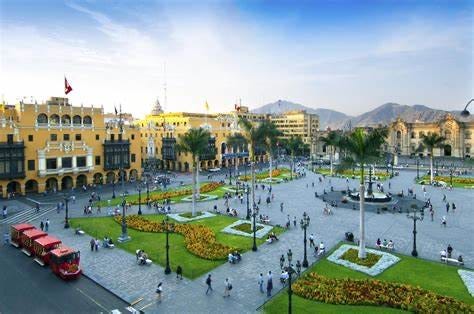
• The historic Plaza Mayor, framed by the Government Palace, Lima Cathedral, and the bold blue Recoleta Church.
• The San Francisco Monastery, with its Spanish-Baroque beauty and haunting catacombs below.
That night, we experienced a culinary masterpiece at Astrid y Gastón, where each course told a story of Peru’s complex and delicious identity.
Cusco: City of the Puma, Heart of the Inca World
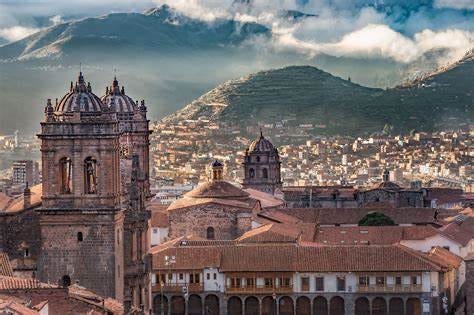
From sea level to sky, we flew to Cusco—once the capital of the Inca Empire, now a vibrant, living city of stone and spirit, perched at 11,152 feet in the Andes.
Cusco breathes history. Its cobbled streets follow ancient foundations, and its people—descendants of the Incas—keep centuries of tradition alive. In the Plaza de Armas, flower vendors, schoolchildren, and musicians brought energy to the colonial backdrop.
We stayed two nights at the JW Marriott El Convento, a former 16th-century convent lovingly restored into a hotel full of charm, quiet courtyards, and history.
Altitude Tips:
Cusco sits higher than Machu Picchu (7,972 feet), so we stayed hydrated, drank coca tea, and took it slow. If you’re visiting, make sure your travel insurance covers high-altitude trekking—safety matters at these elevations.
The Sacred Valley: Simplicity, Beauty, and Wisdom
We traveled from Cusco into the Sacred Valley, where emerald terraces and ancient rivers sustain life just as they did centuries ago.
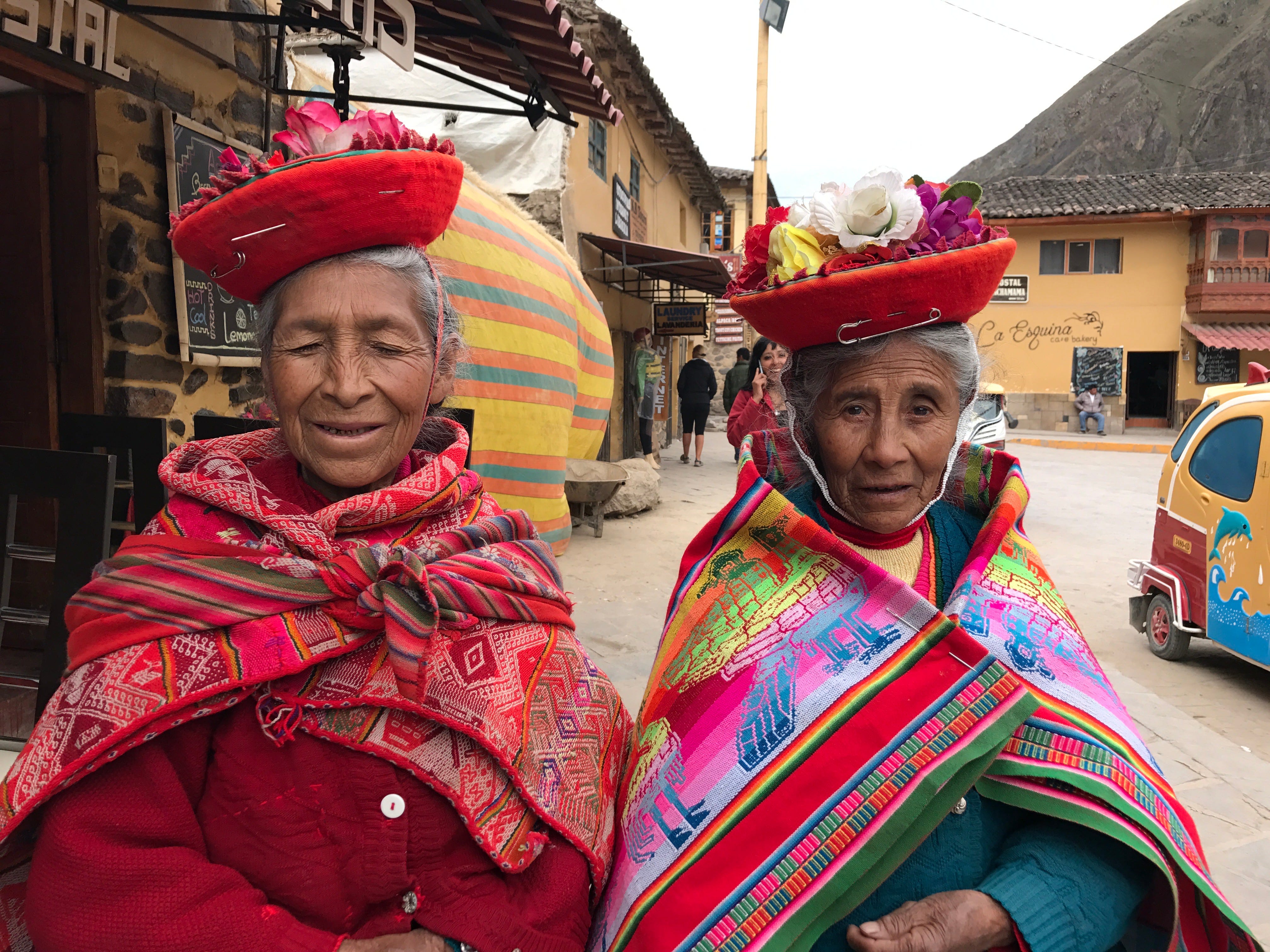
Here, the Andean people live in rhythm with the land. They farm by hand, weave stories into vibrant textiles, and welcome travelers with warmth and wisdom.
We stopped at:
• A llama and alpaca farm, where local women demonstrated traditional wool dyeing using native plants.
• The lively Pisac market, where children sold grilled guinea pig skewers, women displayed silver jewelry and rainbow-hued blankets, and laughter echoed through the stalls.
• Tunupa, a riverside garden restaurant, where we savored alpaca stew, Andean corn, and a feast of flavors passed down through generations.
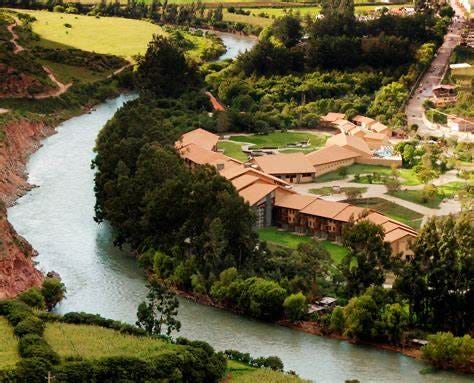
We spent two restorative nights at Tambo del Inka, a Luxury Collection Resort & Spain Urubamba—a sanctuary of glass, stone, fire, and water.
Inca Innovations: Circles of Knowledge and Salt of the Earth
Our second day in the Sacred Valley revealed Peru’s ancient ingenuity:
• In Chinchero, we watched Quechua women weave intricate patterns by hand, preserving traditions taught by mothers and grandmothers.
• At Moray, we stood above massive circular terraces believed to be an Incan agricultural laboratory—designed with brilliant environmental precision.
• And at the Maras salt mines, we wandered past thousands of shallow pools where salt has been harvested for over 500 years.
That evening, we dined under the stars, the mountain air cool around us, with Andean flute music rising softly by the fire.
Machu Picchu: The Final Climb
We woke early, anticipation building, to begin our journey to Machu Picchu. From Aguas Calientes, we boarded a bus that wound up the narrow mountain road—switchback after switchback—until we reached the entrance gate at the base of the citadel.
After checking in, we met our guide Nilo, who would lead us on foot to the top. The ascent began with stone paths that gradually gave way to a steep stairway—roughly 1,500 ancient steps carved into the mountainside. It was physically demanding. The altitude was real. But Nilo paced us, shared stories along the way, and encouraged us with each step.
The final stretch was the steepest. And then—we emerged.
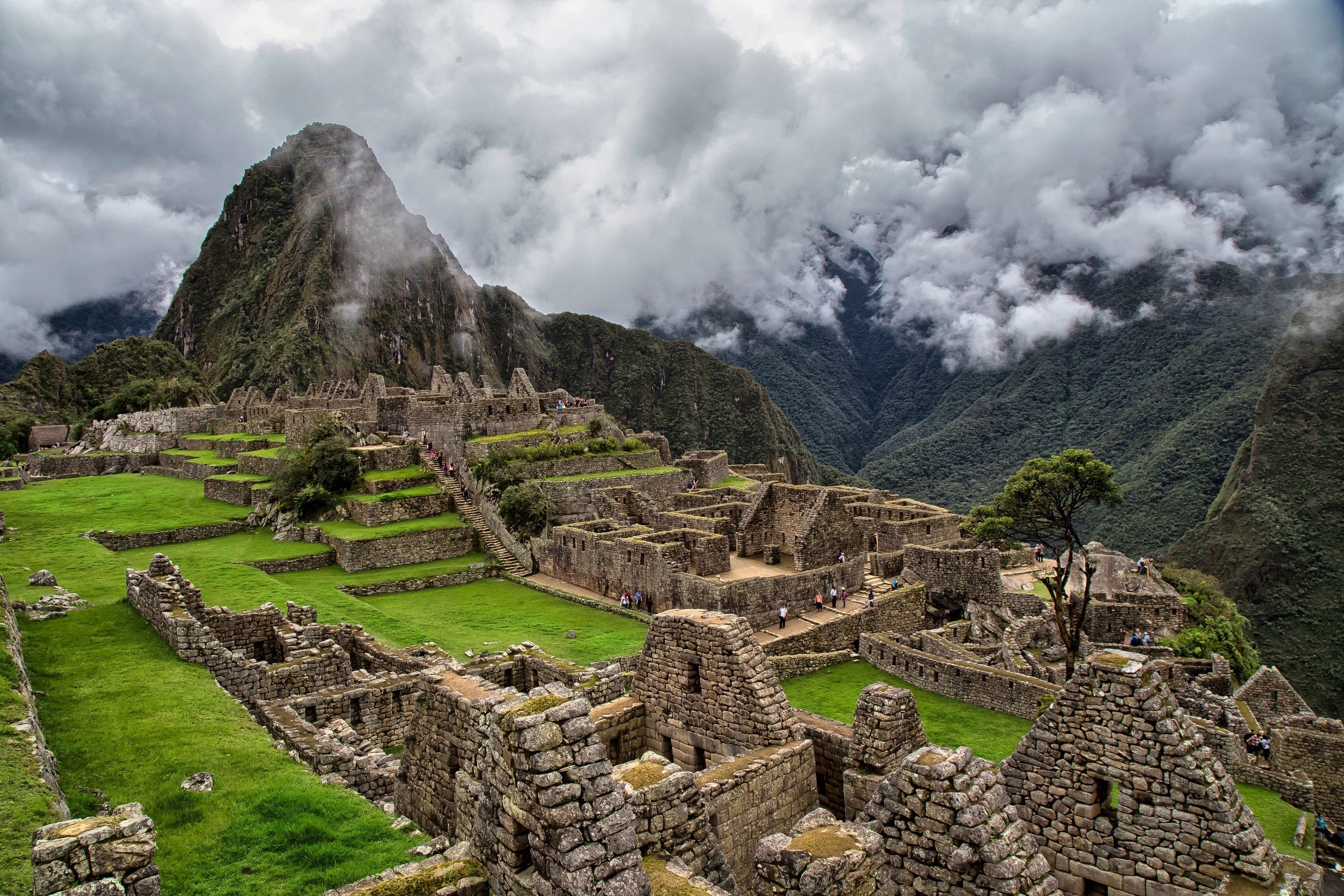
Machu Picchu revealed itself all at once, rising from the clouds, golden in the morning light. Terraces unfolded across the cliffs like a green staircase to the sky. Llamas grazed quietly. The carefully fitted stones of temples and walls seemed untouched by time.
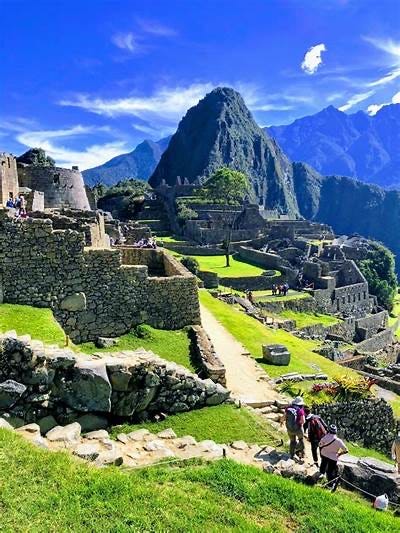
It felt like stepping into 1913, when Hiram Bingham, a Yale lecturer, brought global attention to this lost Incan citadel. The New York Times called it a “Lost City in the Clouds.” Though locals had always known of it, Bingham’s exploration unveiled to the world a site so intact, so impossibly perched between peaks, that it almost defied belief.
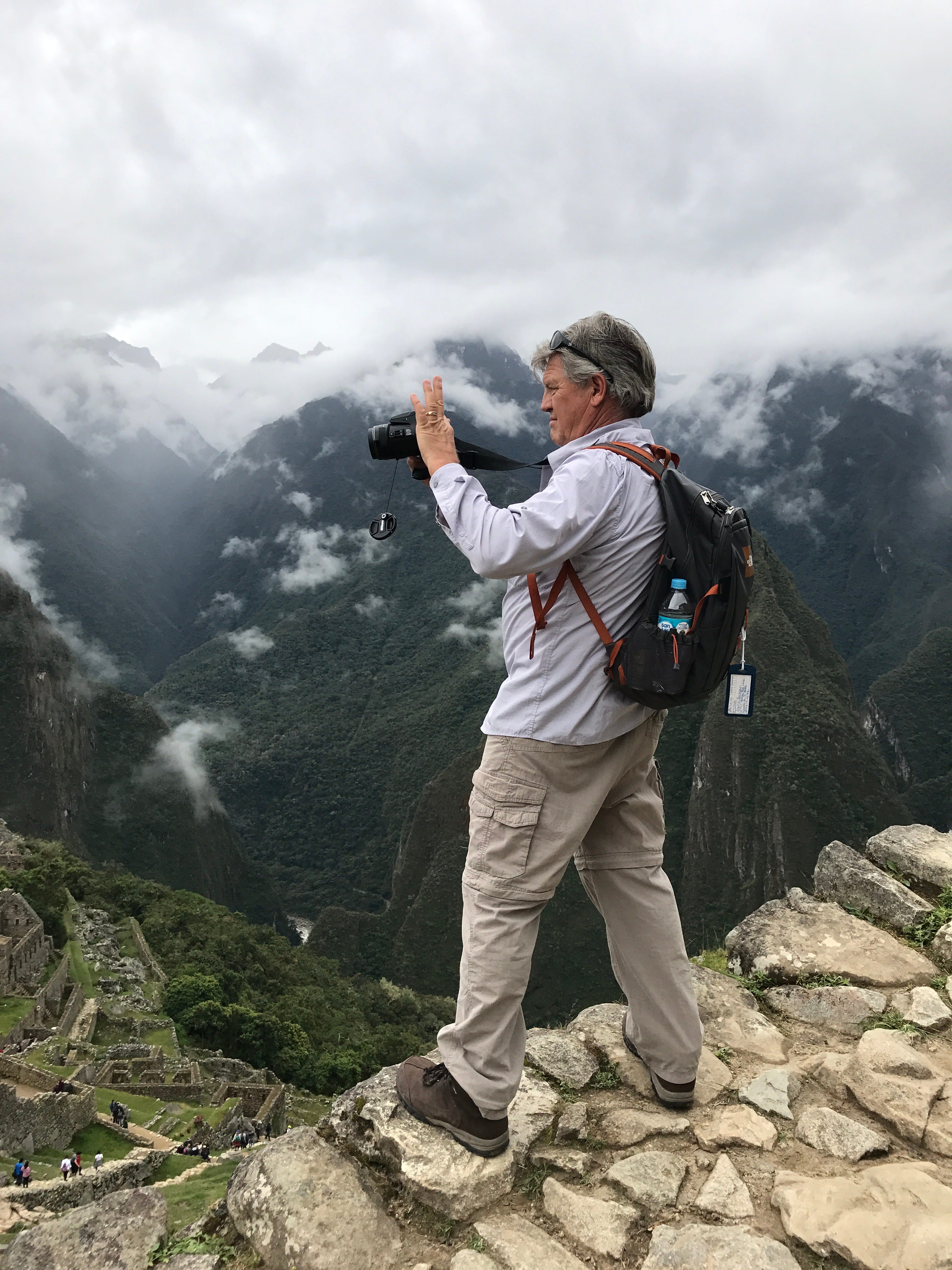
We stood in reverent silence, lungs heaving, legs aching, hearts full. The climb had been real—but the reward was greater than we imagined.
It was more than a view. It was a summit earned.
A sacred place, both ancient and eternal.
And for a moment, the world stood still.
The Journey Home
We descended to Aguas Calientes and boarded the train back through the mountains, stopping to explore the Ollantaytambo ruins—a marvel of monolithic stones and ingenious Inca design.
Our final night was spent in Cusco at the beautiful Belmond Hotel Monasterio, once a monastery, now a tranquil oasis filled with art, music, and quiet elegance.
Back in Lima, we made time to visit the Temples of the Sun and Moon, climbing one last set of sacred stairs before our journey came to a close.
Final Thoughts
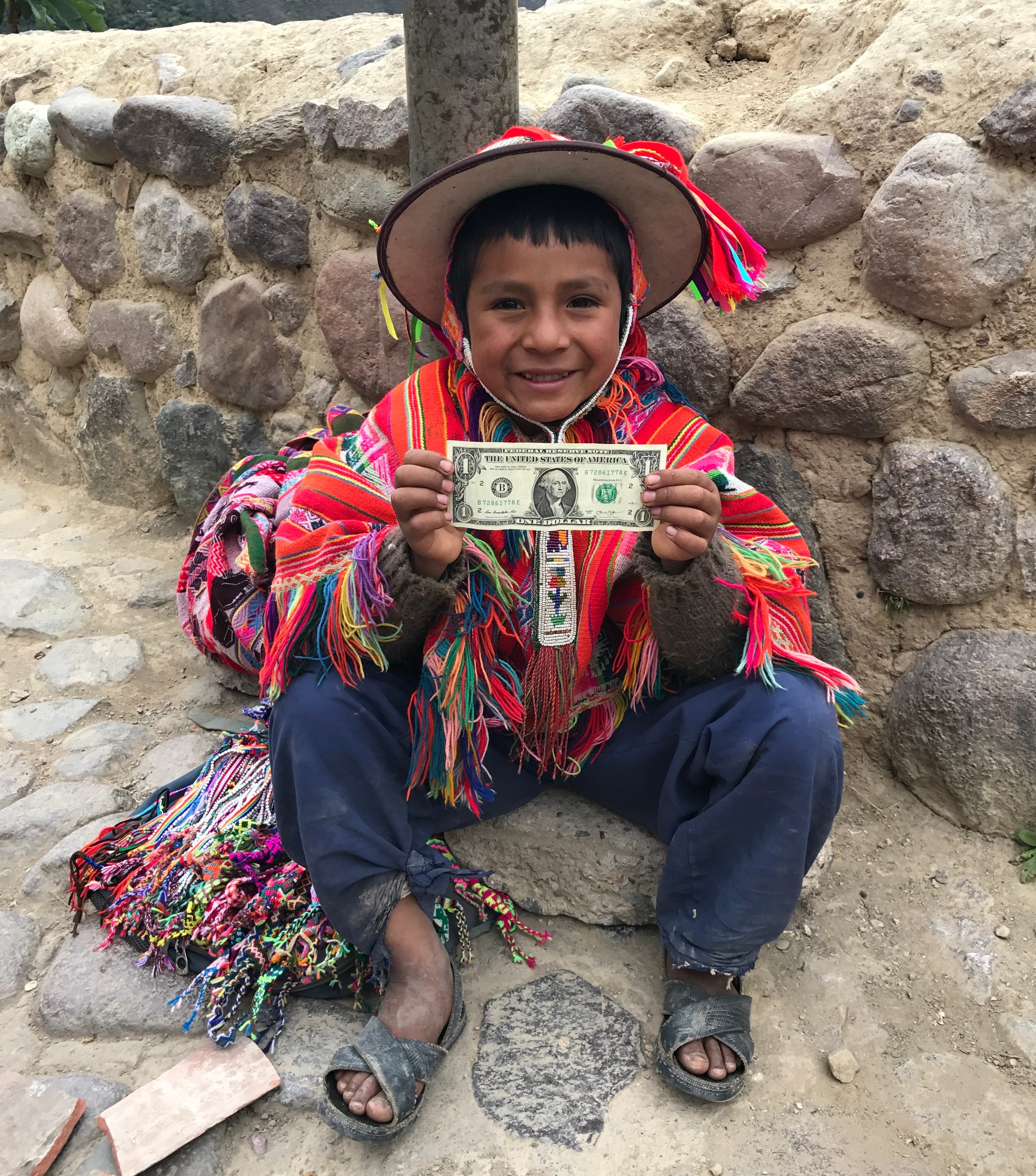
Machu Picchu may be the crown jewel—but the real gift of Peru is its people. The Quechua farmers, the weavers, the children in mountain villages, the chefs, the guides, the artisans—all offered more than hospitality. They offered connection.
This wasn’t just a trip. It was a pilgrimage—to a deeper way of living, to the wisdom of the past, to the spirit of a place that changes you forever.
We came for Machu Picchu.
We left with something much deeper.